
Back to blog
Article
Container House Facade
Admin September 15, 2026
Container houses used as facades feature modular design, rapid assembly, low cost, and high mobility. Here are the details:
I. Product Types and Features
- Packing-box container houses: These use hot-dip galvanized cold-formed steel frames paired with fire-resistant polyurethane sandwich panels, offering thermal insulation and fire protection. They can be used independently or stacked in multiple layers, suitable for shops, office areas, and other scenarios.
- Light steel keel houses: These adopt cold-formed thin-walled light steel keels as the load-bearing structure, with walls filled with insulation materials. Their appearance and layout can be flexibly customized, making them suitable for homestays, scenic area support facilities, or creative retail store facades.
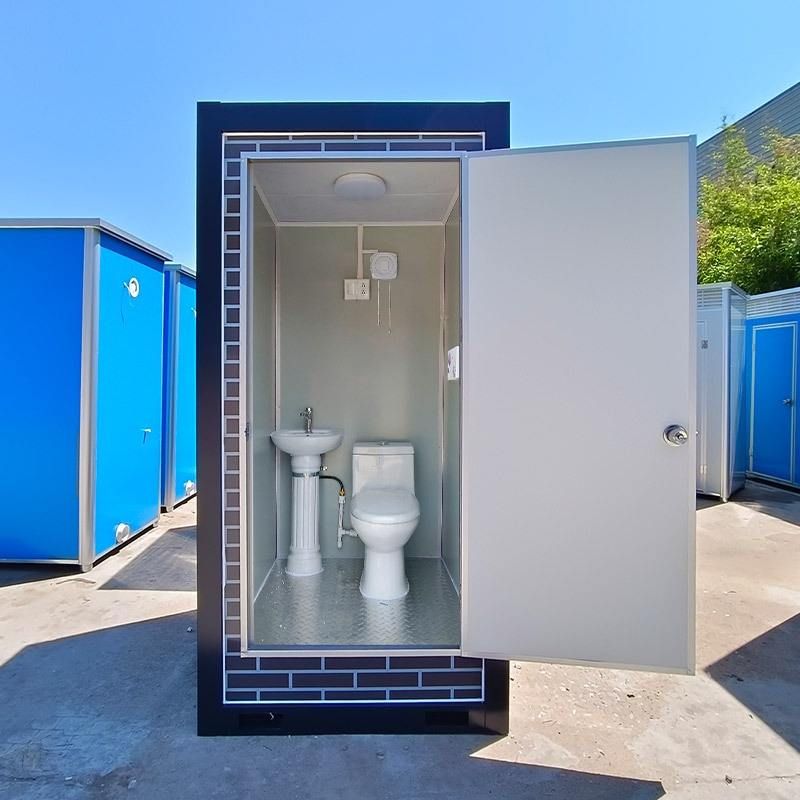
- Functional booths and support facilities: Their size and internal layout can be adjusted according to needs, commonly seen in security booths, property booths, and other scenarios. Some products can be customized into small commercial facades like coffee shops or milk tea shops.
- Modular container houses: These achieve rapid assembly through standardized design and support flat-pack transportation. They are suitable for temporary shops, commercial districts, and other scenarios, with some products integrating electrical systems for immediate use.
II. Material and Process Advantages
- Structural materials: Mainly use hot-dip galvanized cold-formed steel, which has good rust and corrosion resistance, extending service life.
- Wall materials: Mostly use rock wool, glass wool, or polyurethane sandwich panels, combining thermal insulation and fire protection functions to meet safety requirements for commercial premises.
- Floor materials: Typically use cement fiber boards or steel-wood composite floors, providing stable load-bearing capacity.
- Production processes: Standardized processes such as steel structure frame welding, wall panel composite processing, and internal pipeline pre-embedding ensure component precision and installation efficiency.
III. Application Scenarios and Cost-Effectiveness
- Commercial districts: As mobile shops, they support rapid deployment and business format adjustments, reducing rent and decoration costs.
- Scenic area support: Through customized design, they blend into the environment, providing specialty catering or retail services.
- Temporary events: Suitable for exhibitions, night markets, and other scenarios, they can be quickly disassembled and transported after the event.
- Cost advantages: Compared to traditional buildings, container houses reduce on-site construction time and allow material recycling, lowering overall costs by 30%-50%.



