
Back to blog
Article
External Insulation for Container Houses
Admin September 15, 2026
External insulation for container houses can be achieved through measures such as selecting appropriate materials, optimizing structural design, enhancing sealing, and adding temperature control equipment. Details are as follows:
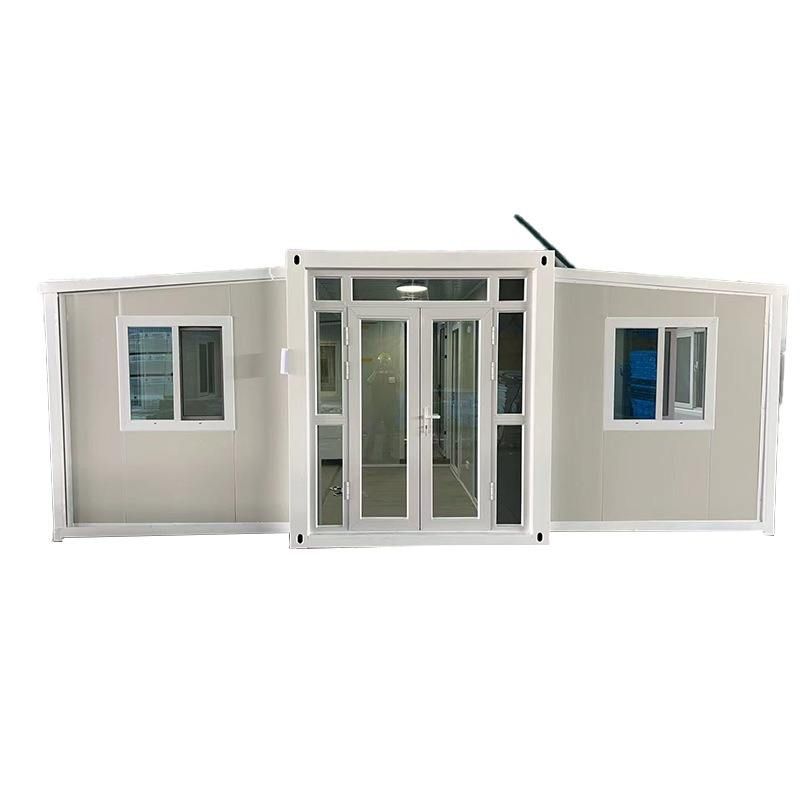
I. Selecting Appropriate Insulation Materials
Exterior wall insulation materials should have low thermal conductivity and good thermal insulation properties. Commonly used materials include:
- Expanded Polystyrene (EPS) Boards: Lightweight and cost-effective, suitable for mild climate zones.
- Rock Wool Boards: Excellent fire resistance and low thermal conductivity, ideal for cold regions or scenarios with high fire safety requirements.
- Polyurethane Boards: Strong insulation performance, with a closed-cell structure that effectively blocks heat transfer, commonly used in extreme climate conditions.
- Silicate Wool or Foamed Polystyrene Boards: Combine thermal insulation with sound absorption functions, suitable for multi-purpose container houses.
II. Optimizing Structural Design
- Increasing Insulation Layer Thickness: Enhance thermal resistance and reduce heat loss by thickening sandwich panels (e.g., polyurethane foam layer ≥ 50mm).
- Composite Sandwich Panel System: Combine steel structural frames with color-coated steel sandwich panels. The density and thickness of the sandwich panels directly affect insulation performance and should comply with the requirements of the 'Technical Standard for Steel Structure Integrated Houses' for wall heat transfer coefficients ≤ 0.45W/(㎡·K).
- Node Sealing Treatment: Design insulation structures at connection points, corners, and window/door installations to fill gaps and reduce cold bridge effects. For example, using triple-glazed windows instead of single-glazed ones can reduce heat transfer by over 30%.
III. Enhancing Sealing
- Window and Door Seals: Install rubber or silicone seals along the edges of windows and doors to prevent cold air infiltration.
- Overall Structural Sealing: Inspect the assembly process of container houses to ensure no gaps between panels and avoid cold bridge effects. For example, when using double-wing folding expansion products, focus on sealing the gaps at the folding points.
IV. Adding Temperature Control Equipment
- Heating Facilities: Equip with electric heaters, air conditioners, or graphene floor heating systems to achieve efficient temperature control in combination with insulation materials. For example, polyurethane sandwich panels can maintain stable indoor temperatures in environments as cold as -30℃.
- Ventilation and Shading Design: Reduce direct sunlight in summer and minimize indoor temperature fluctuations through roof eaves, balcony shading awnings, or adjustable shading roofs.



