Exterior Decoration of Container Houses
The exterior decoration of container houses can achieve diverse effects through painting, material matching, landscape design, and the addition of functional components, as detailed below:
1. Painting and Color Design
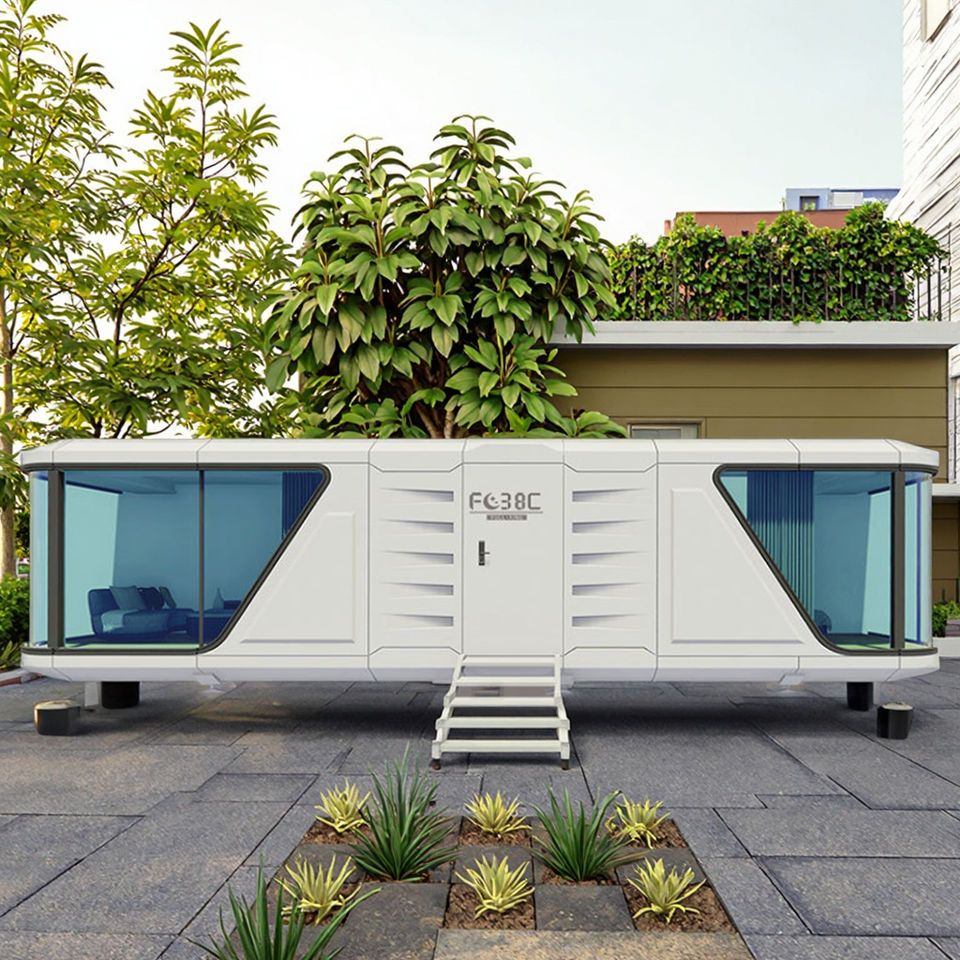
The original appearance of container houses is mostly metallic and can be transformed through painting. For example, applying black glossy paint can create a solemn and dignified atmosphere, paired with natural wood interiors for a striking contrast; or using a warm wood-toned exterior with a predominantly white interior for a cozy and bright feel. In some cases, container houses are painted in a deep blue base, adding a mechanical aesthetic. Color selection should consider the surrounding environment and usage scenarios, such as natural color schemes for houses in forests and modern colors for urban settings.
2. Material Matching and Decoration
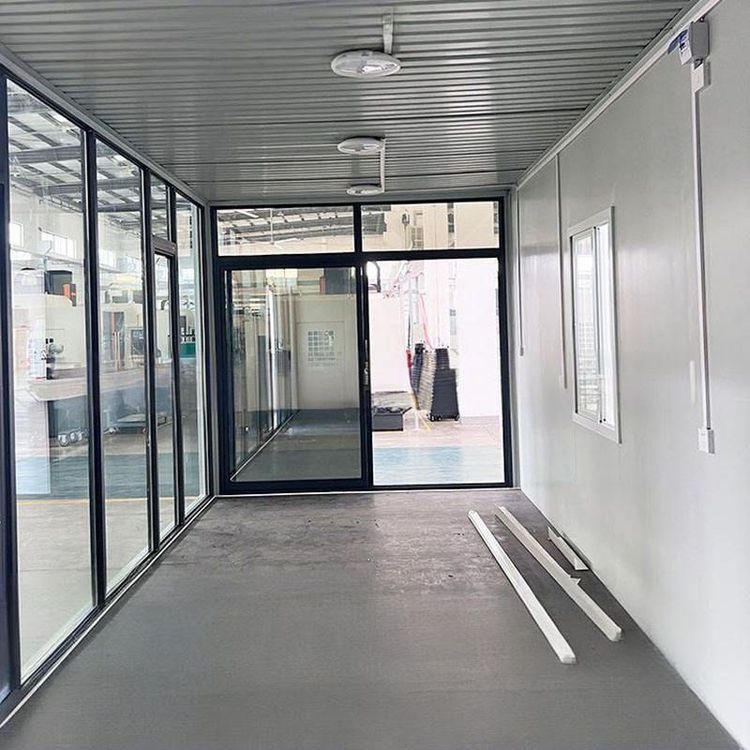
Exterior materials can be combined with elements like wood, glass, and stone to enhance texture. For instance, laying delicate gravel paths around the container or decorating walls with spruce wood adds a natural touch; installing glass walls or highly transparent glass doors improves indoor lighting and transparency; and using wooden decking on rooftop terraces adds depth. In some cases, container houses are combined with wooden frames, metal fences, and other materials to create a diverse style.
3. Landscape and Leisure Facilities
The exterior space can be designed as a leisure area, featuring winding staircases, open-air balconies, and garden hammocks. For example, expanding an open-air balcony on top of the container and arranging an outdoor leisure area around it; or adding an extended small balcony with wooden-framed glass doors for enhanced practicality. Landscape design can include green plants, neon light chains, solar panels, etc., to beautify the environment and improve functionality.
4. Addition of Functional Components
Functional components can be added according to needs, such as awnings, solar panels, and rainwater collection systems. For example, hanging external awnings on the roof to prevent overheating in summer; installing solar panels for self-sufficiency in energy; or designing expandable container structures to increase usable space. In some cases, container houses also have fences, bright green decorative strips, and other safety and guidance facilities added to the exterior.
5. Modular and Combination Design
The modular nature of container houses supports free combination, allowing for diverse appearances through splicing and stacking. For example, using two containers to form an open-plan living room and kitchen, or combining multiple containers to create a multi-story residence. Combination design should consider structural stability and aesthetics, distinguishing module functions through different colors and materials.