
Export of Container Houses to Hong Kong
Exporting container houses to Hong Kong requires adherence to the following operational steps and regulatory requirements:
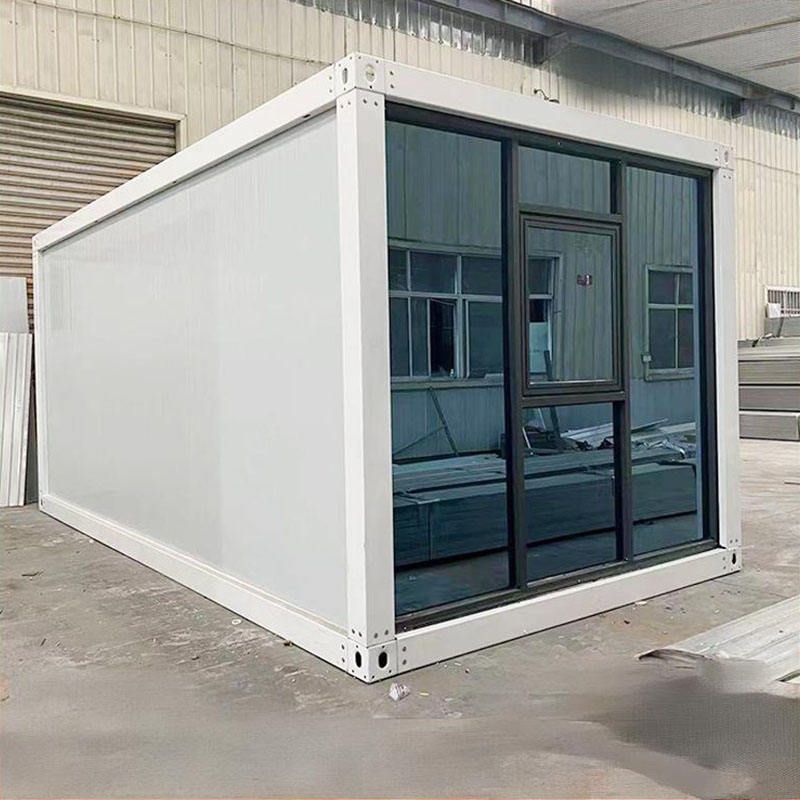
I. Preliminary Preparations
- Market Research and Demand Analysis: Study the demand characteristics for container houses in Hong Kong, including policy regulations (such as building safety standards and environmental requirements), competitor situations, and target customer groups (e.g., temporary housing, commercial use). Based on this, determine product specifications (size, design style, materials, etc.).
- Supplier Selection: Prioritize selecting experienced and reputable manufacturers or suppliers with export experience. When signing purchase contracts, clarify prices, quantities, delivery times, quality standards (such as compliance with Hong Kong BS standards or ISO certifications), and after-sales service terms (such as repair and replacement responsibilities).
- Trade Term Determination: Choose trade terms based on risk and cost allocation (e.g., FOB where the buyer bears freight costs, CIF where the seller bears freight and insurance costs). Clarify the parties responsible for freight, insurance, customs duties, and other expenses, and recommend purchasing cargo insurance to cover damage or loss during transportation.
II. Export Process
- Obtaining Export Permits: Consult local commerce departments or professional agencies to confirm whether export permits or other procedures are required (additional approvals may be needed for special materials or technologies).
- Preparing Export Documents:
- Commercial Invoice: List the name, quantity, unit price, total price, and trade terms of the goods.
- Packing List: Provide a detailed description of the contents of the container (such as housing components and accessories).
- Certificate of Origin: If eligible under the China-Hong Kong Free Trade Agreement, tariff preferences can be enjoyed.
- Bill of Lading: Proves ownership of the goods and the transportation contract.
- Other Documents: Such as inspection and quarantine certificates (for wooden materials requiring pest control proof), quality compliance certificates, etc.
- Container Loading and Transportation:
- Before loading, inspect the integrity of the house and hire a professional team for securing and protection to prevent shifting or damage during transportation.
- The transportation process includes booking space in Hong Kong, document exchange, container pickup, empty container customs clearance, loading, customs declaration, release, Hong Kong customs clearance, and container return. Coordinate with logistics companies to ensure a smooth process.
- Customs Declaration and Clearance:
- Export Customs Declaration: Submit documents to Chinese customs and pay customs duties and value-added tax (if applicable; some raw materials or components may be eligible for export tax refunds).
- Hong Kong Customs Clearance: Submit import declarations and related documents. Import duties may be payable (e.g., Hong Kong imposes tariffs on certain building materials) or other proof documents (such as environmental certifications) may be required.
III. Transportation Costs
Costs include vehicle expenses (inland transportation), mainland customs declaration fees, road manifest fees, Hong Kong customs clearance and seamless fees (such as terminal handling charges), local delivery fees, and miscellaneous expenses (such as storage and handling fees, reimbursed on an actual basis).
IV. Compliance Recommendations
The actual process should be adjusted according to specific regulations and transportation needs. It is recommended to consult professional agencies (such as customs brokers or logistics companies) in advance to ensure compliance and avoid delays or penalties due to missing documents or procedural errors.



