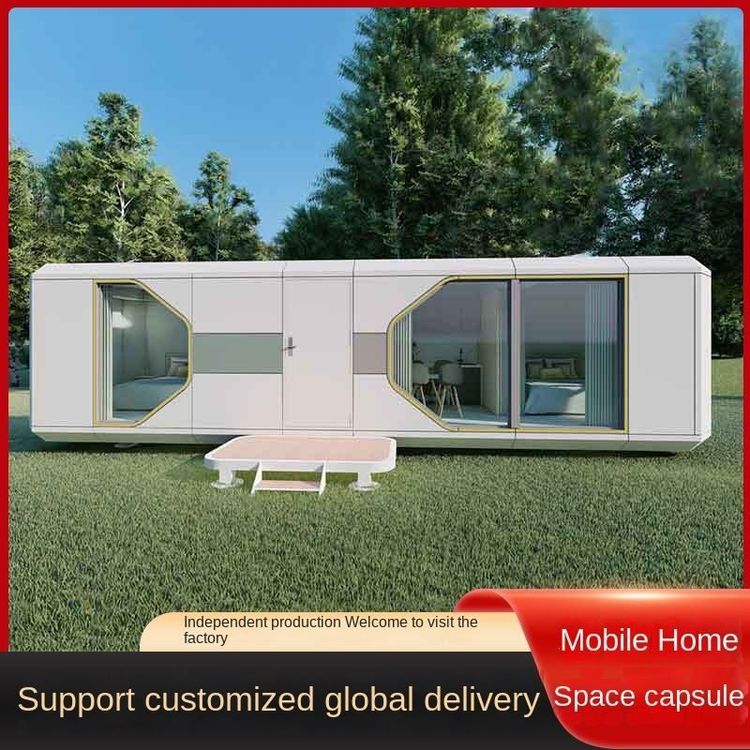
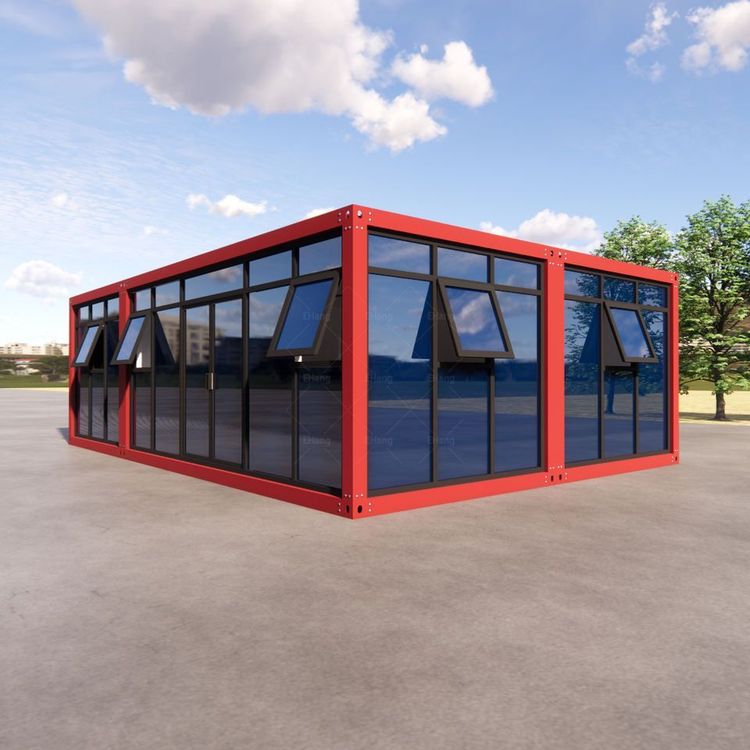
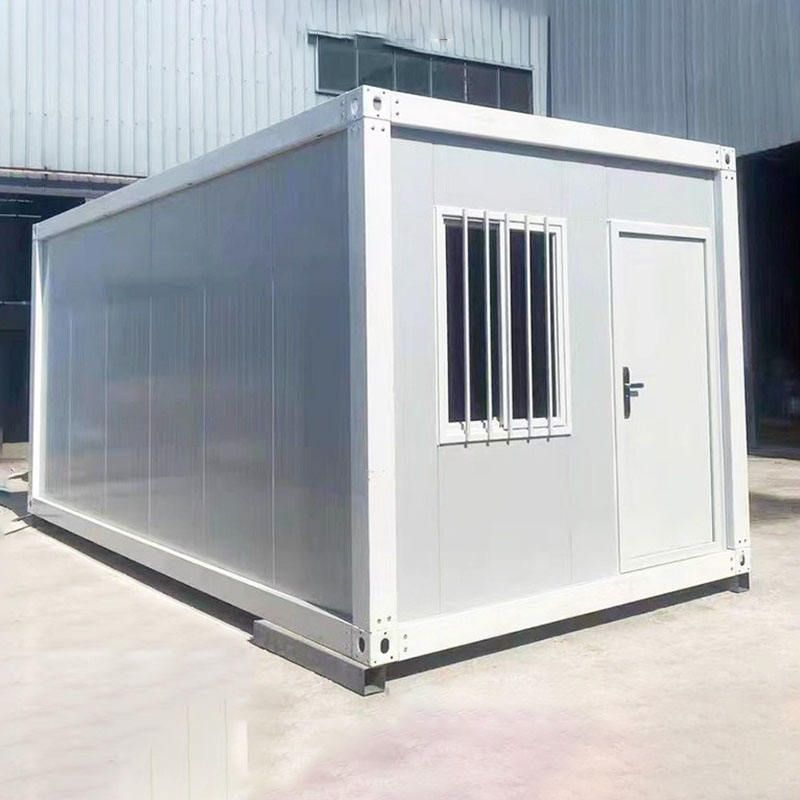
Container House Export to Europe and America
The export of container houses to Europe and America holds broad prospects, with significant competitive advantages and development potential.
I. Strong Market Demand and Sustained Export Growth
According to data from the General Administration of Customs, in the first half of 2026, China's export value of integrated houses reached $2.324 billion, a year-on-year increase of 47.9%, with Europe and America being the primary markets. The United States accounted for more than 20% of overseas orders, becoming the largest buyer. Modular housing, due to its low cost and rapid construction, has become the preferred choice for low-income individuals, rural travel enthusiasts, and self-built housing investors in Europe and America. For example, the factory price of a bare 40-foot expandable container house is only $15,800, with a total landed cost of approximately $28,700 (equivalent to just over 200,000 RMB), which is only one-third to half of the construction cost in the United States. Moreover, the construction period is shortened from six months to a year to just two months (one month for production, one month for transportation, and one day for installation).
II. Outstanding Product Advantages, Suitable for European and American Needs
- Standardization and Flexibility: Container houses adopt a modular design, with the main structure, water and electricity pipelines, and interior decoration completed in the factory. During transportation, they are in standard container sizes and can be quickly assembled into hotels, schools, hospitals, and other scenarios upon arrival, meeting the demand for efficient construction in the European and American markets.
- Environmental Adaptability: Enterprises optimize product designs for different climate zones in Europe and America. For example, products from Hebei Xinheng Integrated Housing Co., Ltd. can adapt to deserts, cold regions, and high-temperature environments. Through high-strength structures and insulation designs, they meet the needs of cold regions such as Russia and Mongolia, while also possessing wind and sand resistance and high-temperature resistance, making them suitable for oil camp projects in the Middle East and Central Asia.
- Low Carbon and Compliance: Among orders from leading manufacturers, products with multiple reuse capabilities, low-carbon attributes, and cross-border export qualifications account for more than 60%. Enterprises such as Hebei Xinheng have obtained international certifications (such as CE, ASTM), with products meeting European and American market access standards, reducing trade barriers.
III. Significant Advantages of China's Supply Chain and Cost
China's modular construction industry has formed a complete supply chain, with leading efficiency from design, production, to transportation. For example, a smart factory in Guangdong can produce 50 modules per day, with a production capacity ten times that of similar factories in North America, and manufacturing precision stable at 1-2 millimeters. In addition, the comprehensive cost of prefabricated houses in China is only half of that of local construction in Europe and America, and they remain price-competitive even after adding shipping and tariff costs, driving sustained export growth.