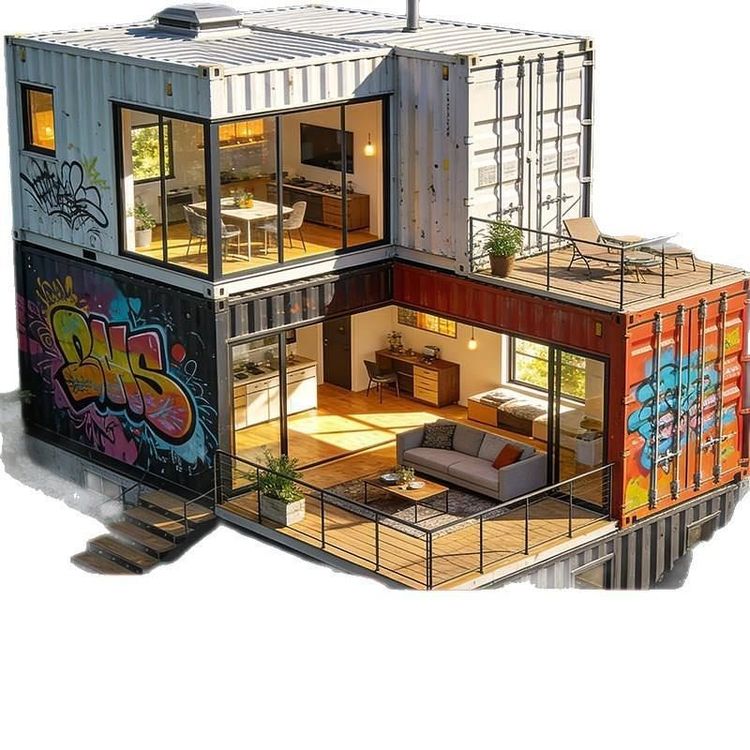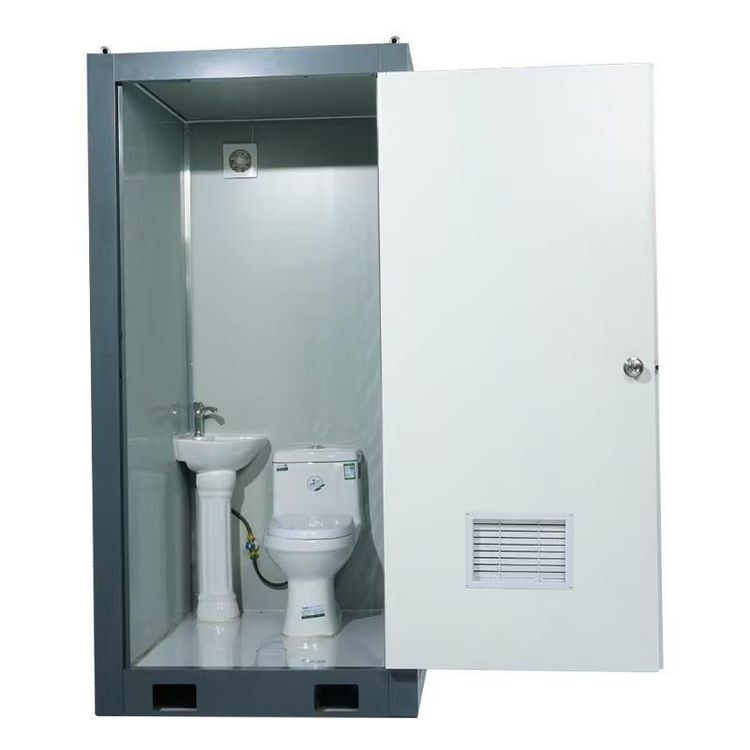
Container House Export Profit
The export profit of container houses is influenced by multiple factors, showing an overall growth trend, but with varying profit levels among different enterprises and projects.

I. Market Demand Growth Drives Profit Margins
As global demand for fast, economical, and environmentally friendly building solutions increases, the export market for container houses continues to expand. For example, in the first half of 2026, China's integrated housing exports reached $2.324 billion, a year-on-year increase of 47.9%. This strong market demand provides container house export enterprises with broad profit margins.
II. Cost Advantages Enhance Profit Level
Container houses offer significant cost advantages. Their primary construction material is steel, and through factory prefabrication and modular assembly, construction periods can be significantly shortened, reducing labor and material waste. For instance, the comprehensive cost of prefabricated houses in China is only one-third to half of that of local construction in the United States. This cost advantage gives Chinese container houses stronger competitiveness in the international market, thereby enhancing profit margins.
III. Project Type and Scale Impact Profit
Different types and scales of container house projects have varying impacts on profit. For example, high-end projects such as luxury residences and data centers often yield higher profits due to their high technological content and added value. In contrast, emergency shelter or temporary housing projects, while in high demand, may have relatively lower profit margins due to intense price competition.
IV. Logistics and Operational Costs Compress Profit
Despite their cost advantages, logistics and operational costs still significantly impact the profit of container houses. For example, shipping fees, tariffs, inland transportation, and lifting costs all increase total costs, thereby compressing profit margins. Additionally, unexpected events such as on-site material losses and worker quarantines can also lead to cost increases, further compressing profits.