
Issues in Foreign Trade of Container House Exports
The foreign trade of container house exports faces multiple issues, including product adaptability, exchange rate fluctuations, compliance barriers, and demand differences.
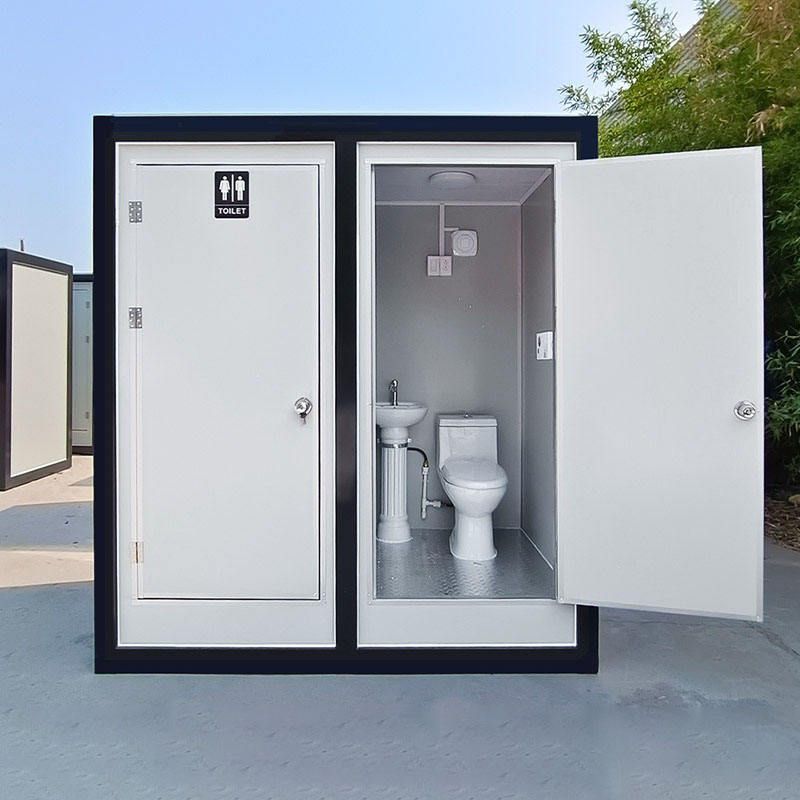
Product adaptability issues are prominent: Most domestic export companies' products remain at the traditional low-end stage, with insufficient awareness of global green building standards. Products' low-carbon processes, eco-friendly materials, and energy-saving configurations struggle to meet the requirements of overseas high-end markets. There are issues such as a lack of international green certifications, non-compliance with carbon footprint standards, severe product homogenization, and weak low-carbon technologies. This makes it difficult for companies to break through the green trade barriers in Europe and the United States, forcing them to focus solely on the low-end, low-price market, with continuously shrinking profit margins.
Exchange rate fluctuations pose profit risks: Exchange rate fluctuations have a significant impact on the profits of container house exports, with each 1 percentage point fluctuation potentially eroding 5%-8% of profits. In 2025, the maximum monthly fluctuation in the RMB-USD exchange rate reached 3.2%, causing many small and medium-sized manufacturers without risk hedging to see signed orders turn from profitable to loss-making. The core of exchange rate risk lies in the combination of long order cycles and exchange rate uncertainty, with the entire process from quotation to settlement potentially facing 'profit erosion'.
Compliance barriers hinder overseas expansion: As 'quasi-building products', container houses face stringent safety, environmental, and structural standards in various countries. A lack of or non-compliance with certifications is the first major hurdle for overseas expansion, easily leading to product detention or even seizure, resulting not only in high demurrage fees but also potential compensation for missed project deadlines. Compliance risks have extended from single certifications to the entire chain of materials, design, and construction.
Demand differences affect market expansion: There are significant regional differences in the demand for container houses overseas. The Middle East, Africa, and Southeast Asia focus more on packing boxes, foldable boxes, and quick-assembly container houses for engineering camps and emergency shelter, inquiring about weather resistance, delivery cycles, and export certifications. The European and American markets prefer customized products, paying attention to additional features such as environmental protection and intelligence. In South America, the focus is on container houses for mining camps, with attention to performance such as high-altitude cold resistance and earthquake resistance. If companies cannot precisely meet the needs of overseas customers and align with the usage scenarios and compliance requirements of different regions, they will struggle to seize the opportunities of overseas expansion and gain more attention and recognition in foreign markets.



