Back to blog
Article
Container House Exhaust Fan
Admin September 15, 2026
The main purpose of installing an exhaust fan in a container house is to promote indoor air circulation and improve the ventilation and comfort of the living environment.

I. The Role of Exhaust Fans in Container Houses
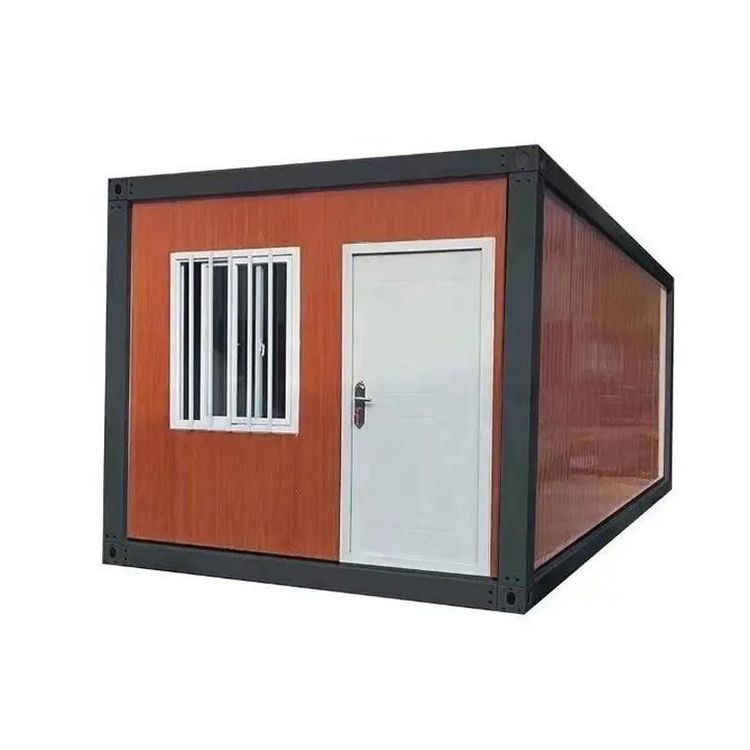
Container houses usually adopt a sealed design. Especially in custom-made or second-hand renovation scenarios, if it is impossible to open windows or the window area is limited, indoor air tends to stagnate, leading to stuffiness, dampness, or the accumulation of odors. Exhaust fans create air convection through forced ventilation, effectively solving the following problems:
- Ventilation and Air Exchange: Quickly expel indoor stale air (such as carbon dioxide, water vapor, and odors) and introduce fresh outdoor air to maintain air quality.
- Damp and Mold Prevention: The material of container houses is prone to heat conduction. When there is a large temperature difference, condensation is likely to form inside. Exhaust fans can accelerate the expulsion of moisture and reduce the risk of mold growth.
- Temperature Regulation: In combination with ventilation designs (such as staggered stacking and skylights), exhaust fans can assist in heat dissipation and alleviate the problem of high temperatures and stuffiness in summer.
II. Common Types of Exhaust Fans for Container Houses
According to functional requirements, container houses may choose the following exhaust fans:
- Silent Exhaust Fans: Suitable for scenarios that require low noise, such as dormitories and offices, like "silent bathroom exhaust fans" and "kitchen window-mounted exhaust fans".
- Industrial-grade High-power Exhaust Fans: Used in high-humidity or oily environments such as kitchens and bathrooms, like "custom-made industrial exhaust fans" and "SF mobile adjustable post-mounted exhaust fans".
- Explosion-proof Exhaust Fans: If there are flammable and explosive gases in the container house (such as in chemical plants), explosion-proof designed products should be selected.
III. Installation Points for Exhaust Fans
- Location Selection: Usually installed on walls or windows, avoiding direct blowing on beds or work areas. If it is impossible to open windows in the container, holes can be made on the roof or side walls for installation.
- Waterproofing: A rain cover should be installed on the outdoor side to prevent rainwater from flowing back. The wiring connections should be properly sealed to avoid short circuits.
- Power Supply Configuration: Choose appropriate wires according to the power. Industrial-grade exhaust fans may require an independent circuit.
- Maintenance: Regularly clean the dust on the fan blades and check whether the sealant is aging to ensure ventilation efficiency.