
What Equipment is Available in Container Houses
The equipment available in container houses varies depending on their purpose and design. Common equipment includes structural frameworks, thermal insulation materials, water and electricity systems, doors and windows, sanitary facilities, safety protection devices, and smart systems.
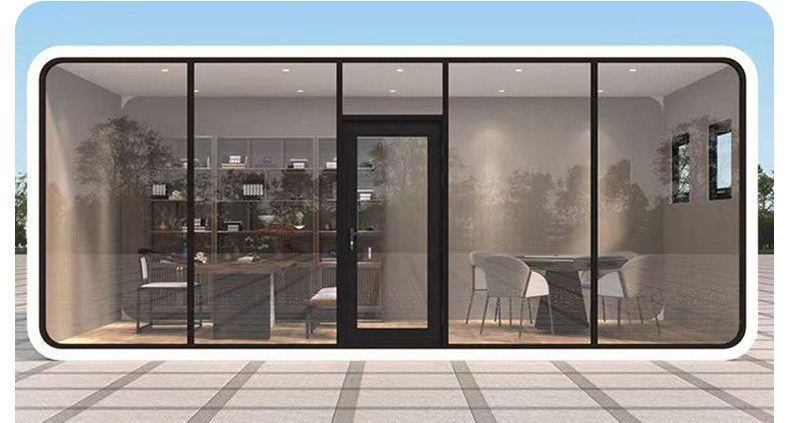
Structural Framework and Thermal Insulation Materials
The basic structure of container houses typically uses high-strength light steel frames or hot-dip galvanized cold-formed steel to ensure stability and durability. The walls and roof panels are often filled with rock wool, glass wool, or polyurethane sandwich panels, providing both thermal insulation and fire resistance to adapt to different climatic conditions.Water and Electricity Systems
Embedded water and electricity pipelines are installed internally, including electrical systems for lighting, sockets, switches, and water supply and drainage pipes. Some container houses are equipped with independent water tanks, water pumps, or solar power systems to meet off-grid requirements. For example, power prefabricated cabins are equipped with temperature controllers and fans to ensure good ventilation and heat dissipation.Doors, Windows, and Sanitary Facilities
Doors and windows are designed with anti-theft and sealing features, with some equipped with double-glazed windows to enhance sound insulation. Sanitary facilities include toilets, sinks, and showers, with some products offering independent sanitary or kitchen units that support modular assembly.Safety Protection Devices
Container houses generally feature fire, water, wind, earthquake, and corrosion resistance. For example, power prefabricated cabins are equipped with smoke detectors, fire extinguishers, and other fire safety equipment to ensure safe operation.Smart Systems and Customized Equipment
Smart control systems can be integrated based on needs, such as environmental monitoring and remote management functions. Some container houses are designed for specific scenarios, such as medical stations equipped with barrier-free facilities and commercial pop-up stores with enhanced display lighting systems.Extended Functional Modules
By horizontally connecting or stacking, container houses can be combined into different functional spaces such as office areas, dormitory areas, and reception areas. Some products support additional structures like roofs, corridors, and canopies to enhance flexibility in use.



