Eco-Friendly Materials for Container Houses
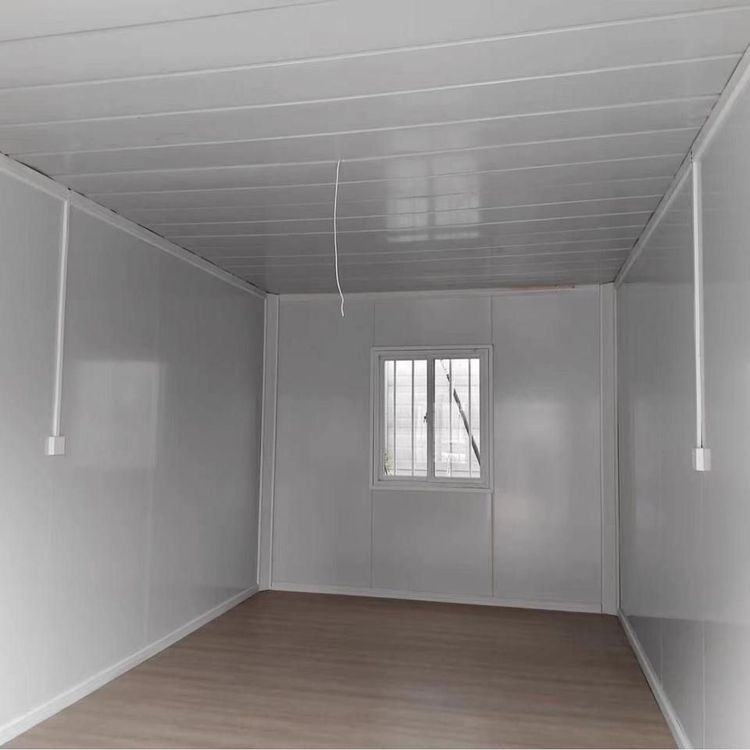
The commonly used eco-friendly materials for container houses mainly include steel, aluminum alloy, glass, plastic, and new eco-friendly wall materials, among others.

Steel: It is the primary structural support material for container houses, including channel steel, angle steel, and steel plates. Steel has high strength and corrosion resistance, ensuring the structural safety of the house. At the same time, steel is highly recyclable, and many steel mills have adopted advanced technologies to reduce production energy consumption and carbon emissions, making steel perform excellently in terms of environmental protection.
Aluminum Alloy: It is commonly used for making doors and windows in container houses. Aluminum alloy doors and windows have advantages such as being lightweight, aesthetically pleasing, and corrosion-resistant, while also possessing good thermal insulation and heat insulation properties, which can improve the comfort of the house and reduce energy consumption.
Glass: It is mainly used for doors, windows, and observation windows, with advantages such as high transparency, good reflectivity, and corrosion resistance. The use of glass can increase the lighting and view of the house, reducing the need for lighting and thus saving energy.
Plastic: It is widely used in container houses, such as plastic pipes and plastic boards. These materials have advantages such as being lightweight, easy to process, and cost-effective, meeting the needs of different houses. Moreover, some plastic materials can be recycled, reducing environmental pollution.
New Eco-Friendly Wall Materials: Such as wood-plastic composite materials and straw fiber boards. Wood-plastic materials are made by mixing wood powder, rice husks, straw, etc., with adhesives, with most of the raw materials being renewable resources, reducing timber felling. Straw fiber boards turn agricultural waste straw into treasure, solving the problem of burning pollution and achieving resource recycling.