
Container House Drilling Method
Drilling in container houses requires selecting appropriate methods based on their structural characteristics. The core steps include determining the drilling location, choosing tools, controlling drilling parameters, and implementing protective measures.
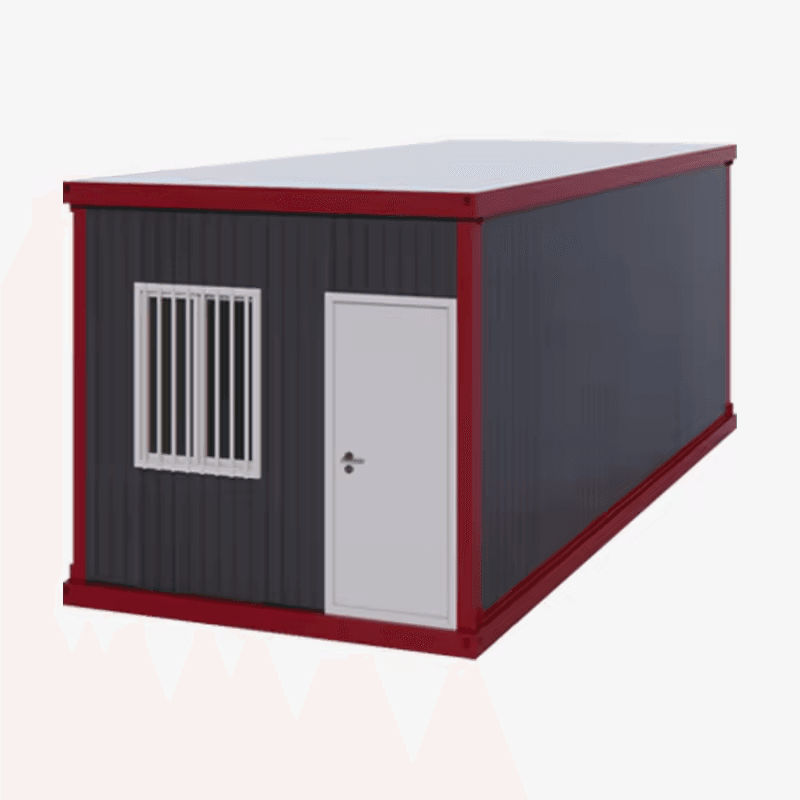
I. Determining the Drilling Location
The main body of a container house consists of a steel structural frame and wall panels. Before drilling, clarify the purpose (e.g., installing pipelines or securing equipment). When drilling into the steel structural frame, avoid welds and key load-bearing areas to prevent compromising structural integrity. When drilling into wall panels (e.g., rock wool, glass wool, or polyurethane sandwich panels), avoid the core areas of insulation materials to prevent affecting thermal insulation and fire resistance.
II. Selecting Drilling Tools
Choose tools based on material properties:
- Steel Structural Frame: Use a high-speed electric drill with metal drill bits (e.g., twist drill bits) to ensure drilling efficiency. For thicker frames (e.g., load-bearing columns), use a center punch for positioning before gradually enlarging the hole diameter.
- Wall Panels: If the wall panel has a metal cladding (e.g., metal sheets or calcium silicate boards), a regular electric drill can be used. If the panel is filled with insulation material, use a slow-speed electric drill to prevent material deformation or the release of harmful gases due to high temperatures.
III. Controlling Drilling Parameters
- Speed and Feed: When drilling into steel structures, high speed (e.g., 2000-3000 RPM) reduces friction and heat generation, but control the feed pressure to prevent drill bit deviation. When drilling into wall panels, low speed (e.g., 500-1000 RPM) prevents insulation material combustion.
- Hole Diameter and Depth: Determine the hole diameter based on installation requirements (e.g., slightly larger than the pipeline diameter for pipeline installation). The depth should penetrate the wall panel or reach the predetermined position in the steel structure without exceeding the structural thickness to prevent piercing through the other side.
IV. Protection and Cleaning
- Protective Measures: Wear safety goggles and a mask during drilling to prevent inhalation of metal shavings or insulation material dust. When drilling into steel structures, apply lubricating oil at the contact surface between the drill bit and the material to reduce friction.
- Cleaning the Hole: After drilling, use a brush or compressed air to clean debris from the hole to ensure a tight fit between the installed component and the hole wall. If there are burrs on the hole wall, sand them smooth.
V. Handling Special Scenarios
When drilling into multi-layer stacked container houses, first determine the positional relationship between layers to avoid drilling through multiple structures. When drilling into wall panels with installed electrical or plumbing systems, turn off the power or water supply in advance to prevent electric shock or water leakage.



