Container House Dormitory
The container house dormitories used in the 2026 Nagoya Asian Games have sparked widespread controversy due to issues such as cramped space and inadequate facilities, with their living conditions being criticized by multiple national delegations as the 'worst ever'. The following analysis is conducted from three aspects: specific problems, design standards, and the focus of the controversy.

Prominent Issues with Living Space and Facility Configuration
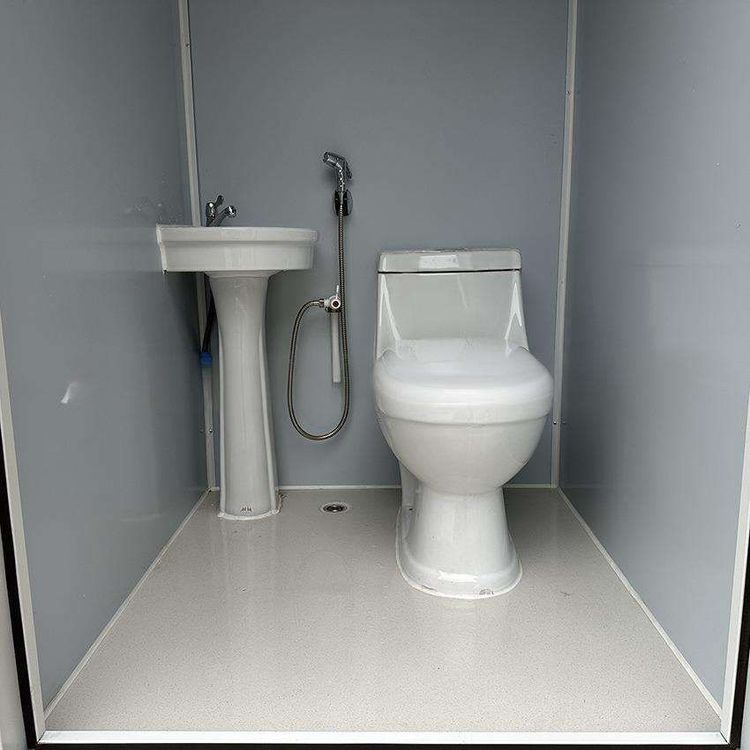
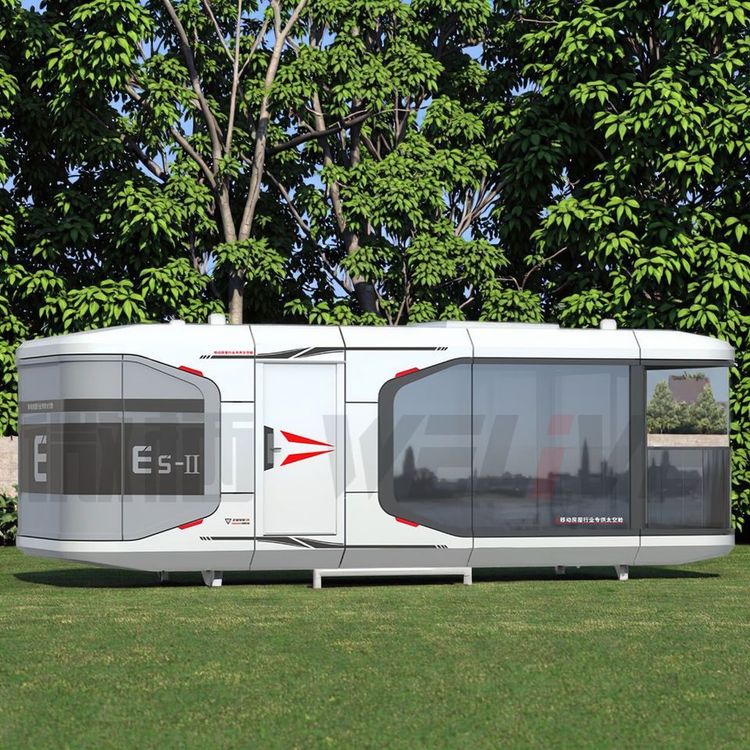
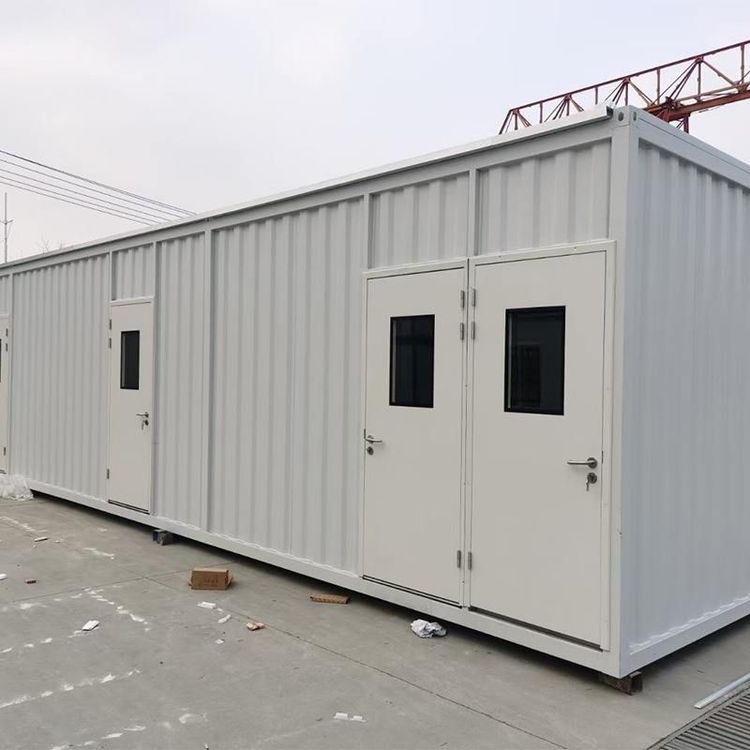
The container dormitory units consist of two households, each with two bedrooms and a living room, but the actual living experience is extremely poor. The single beds measure 195 cm in length and 90 cm in width. For basketball and volleyball players over 2 meters tall, their ankles hang in the air when lying down, and turning over easily results in hitting the wall. The aisles in double-bed rooms are narrow, requiring occupants to step aside when two people move simultaneously. With a ceiling height of only 2.2 meters, tall athletes feel oppressed. The sound insulation is poor, and the metal wall panels cannot block out noises such as snoring, necessitating the use of earplugs for sleep. The air conditioning is severely insufficient, with only one unit per household. In hot and humid weather, doors need to be opened for ventilation before being closed again; otherwise, the interior becomes unbearably stuffy. Additionally, problems such as leaking sinks and waterlogged floors occur frequently. During heavy rains, water even floods into the dormitories, leading to the emergency evacuation of hundreds of athletes.
Design Standards Are Compliant but Reasonableness Is Questionable
The Olympic Council of Asia only emphasizes that athletes' accommodations should be 'safe, hygienic, and meet basic rest needs' and does not mandate the construction of a unified Asian Games Village. The container dormitories in Nagoya meet the minimum standards on paper: each household is equipped with a toilet, bathroom, refrigerator, and washing machine, and there are barrier-free ramps at the entrances. Thirty accommodation standard plans passed inspection in 2025. However, compliance does not equate to reasonableness: six people share one toilet and shower room, resulting in cramped space. Although the mattresses can be extended, they still feel cramped after extension. The dispersed accommodations span five cities, with commuting times exceeding one hour, affecting the preparation rhythm.
Core of the Controversy: The Imbalance between Cost Reduction and Athletes' Experience
The direct reason for the organizing committee's adoption of container dormitories is budget overruns and insufficient revenue. The total budget promised during the bid was 85 billion yen, but it soared to nearly 240 billion yen in reality. Sponsorship revenue was only 50 billion yen, and ticket sales fell far short of expectations. The originally planned Asian Games Village was abandoned due to excessive costs, and the 'three-tier plan' of cruise ships + containers + hotels was ultimately chosen. Although the organizing committee emphasizes that the cruise ship facilities are first-class, the shabby conditions of the container dormitories stand in stark contrast to the规格 (standards/caliber, here it means the high level expected of the Asian Games) of the Asian Games, triggering dissatisfaction from multiple national delegations, including South Korea, India, and China. Some athletes have chosen to stay in hotels at their own expense to ensure the quality of their rest.