Back to blog
Article
Installation of Doors and Windows for Container Houses
Admin September 15, 2026
The installation of doors and windows for container houses should be selected and operated according to the purpose of the house, size standards, and installation techniques. The specific key points are as follows:
I. Door and Window Types and Material Selection
Doors and windows for container houses need to balance functionality, safety, and durability.
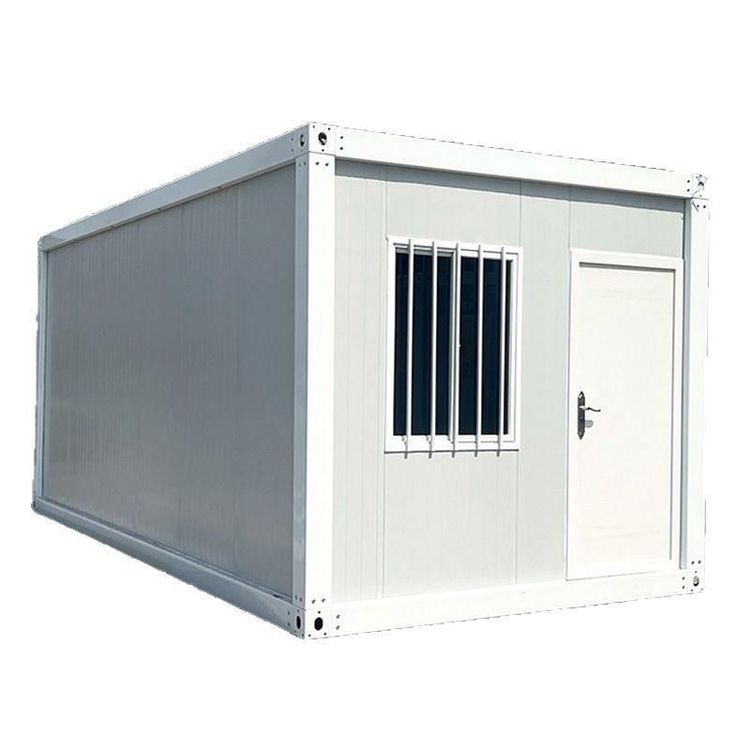
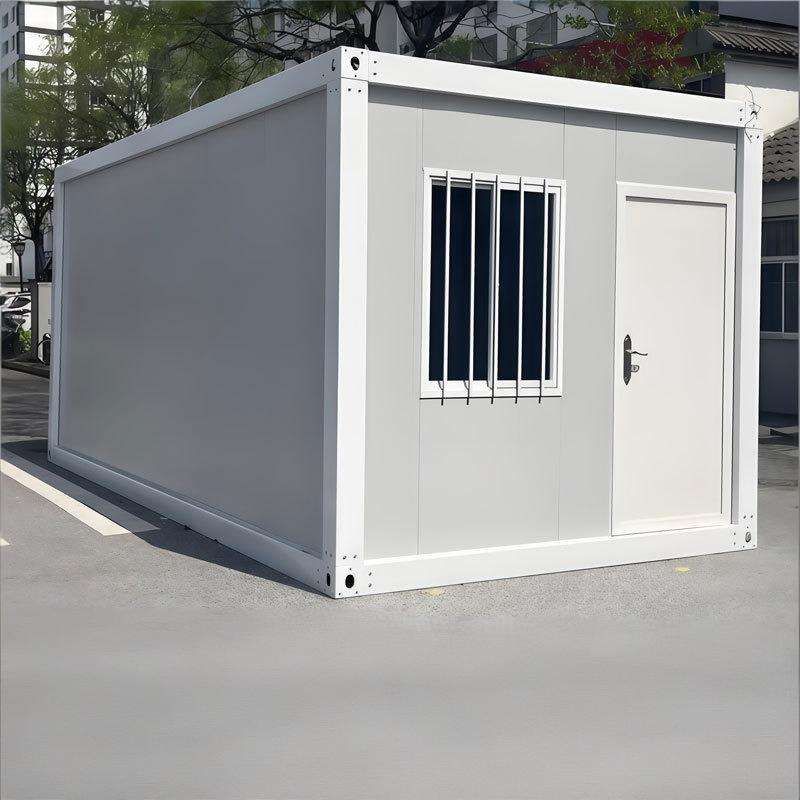
- Doors: Common types include single doors (standard size: 800mm wide × 2000mm high), double doors (1600mm wide × 2000mm high), and custom-made doors. The materials are mainly metal, such as cold-rolled steel embossed composite doors, which are treated with degreasing, derusting, and phosphating before electrostatic spraying, providing anti-theft, fire-resistant, and wind-pressure-resistant properties. Some products use wooden internal ribs to enhance structural stability, with tightly fitting door frames and panels for strong sealing.
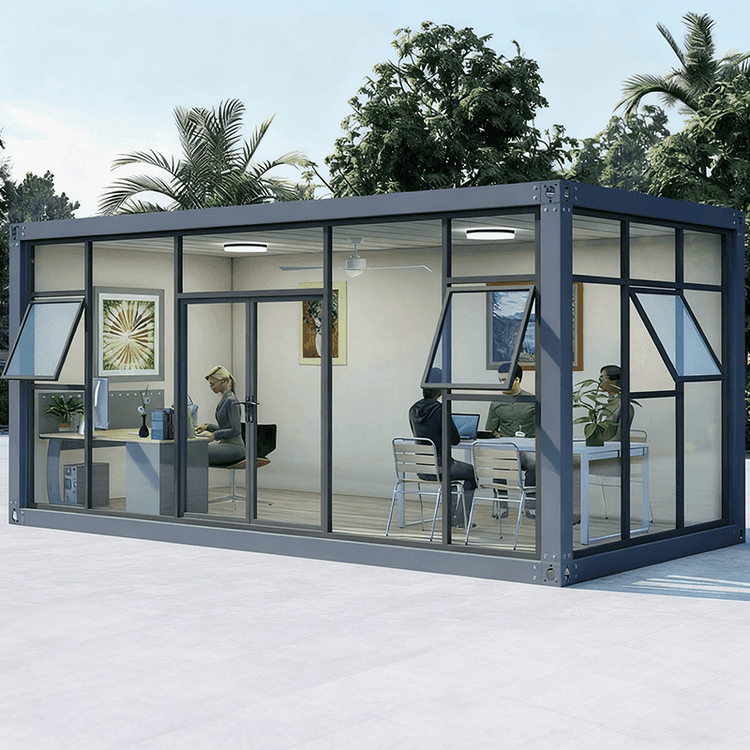
- Windows: UPVC plastic-steel windows and aluminum alloy windows are the main types. Plastic-steel windows have moisture-proof, sound-insulating, and heat-insulating properties, suitable for humid environments; aluminum alloy windows have high strength and corrosion resistance, suitable for scenarios requiring large-span window openings. Window types include casement windows, sliding windows, and tilt-and-turn windows, which should be selected according to ventilation needs. For example, mobile homes commonly use standard windows measuring 1200mm wide × 900mm high, paired with sealing strips to improve airtightness.
II. Size Configuration Standards
The sizes of doors and windows need to match the structure of the container house:
- Doors: Single doors are suitable for daily entry and exit, double doors facilitate the handling of large items, and custom-made doors can be tailored in height or width according to needs.
- Windows: The standard window size is 1200mm wide × 900mm high. If a larger lighting area is required, casement windows or custom sizes can be chosen. The height of the windows needs to consider the corrugated board structure of the container to avoid conflicts with the top.
III. Installation Technique Key Points
- Door Installation: For the corrugated board on the exterior of the container, filling panels need to be added on both sides of the door frame to flatten the surface. New specialized doors adopt a modular design, with the door frame and panel closely fitting through the door leaf frame to reduce gaps. During installation, pull rivets are used to fix the corner aluminum, ensuring a firm connection between the door frame and the wall, with high flatness and strong sealing after the door panel is closed.
- Window Installation: First, fix the window frame aluminum, requiring 45-degree angle splicing and fixing it to the composite board with pull rivets; after the window frame is installed, adjust its position and fix it to the window frame aluminum with self-drilling screws. Sealing strips need to be filled between the window and the window frame to prevent rainwater leakage.
IV. Balancing Safety and Aesthetics
- Safety: Doors and windows need to be equipped with anti-theft locks, such as high-quality lock tongue mounting plates, to prevent shaking and improve sealing. Windows can be fitted with anti-theft grilles or safety glass to enhance protection.
- Aesthetics: The colors of doors and windows should coordinate with the overall style of the container house, with surface treatments such as color matching or personalized designs to enhance visual appeal. For example, the surface of metal doors can be sprayed with neutral colors such as brown or gray to suit different scenarios.