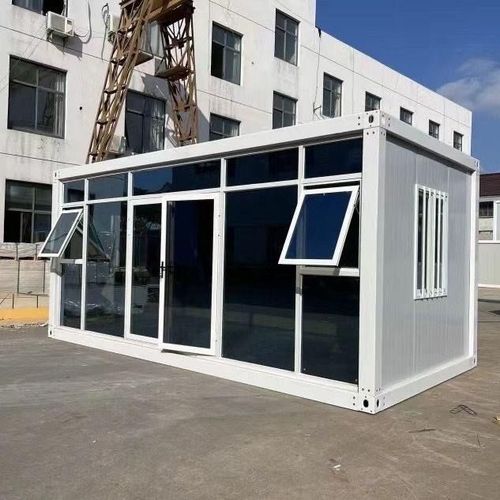
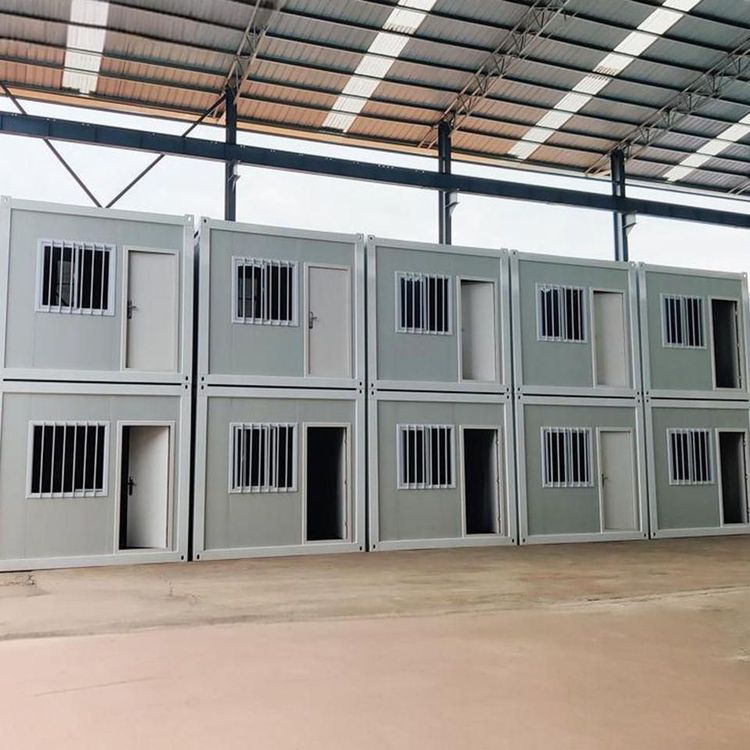
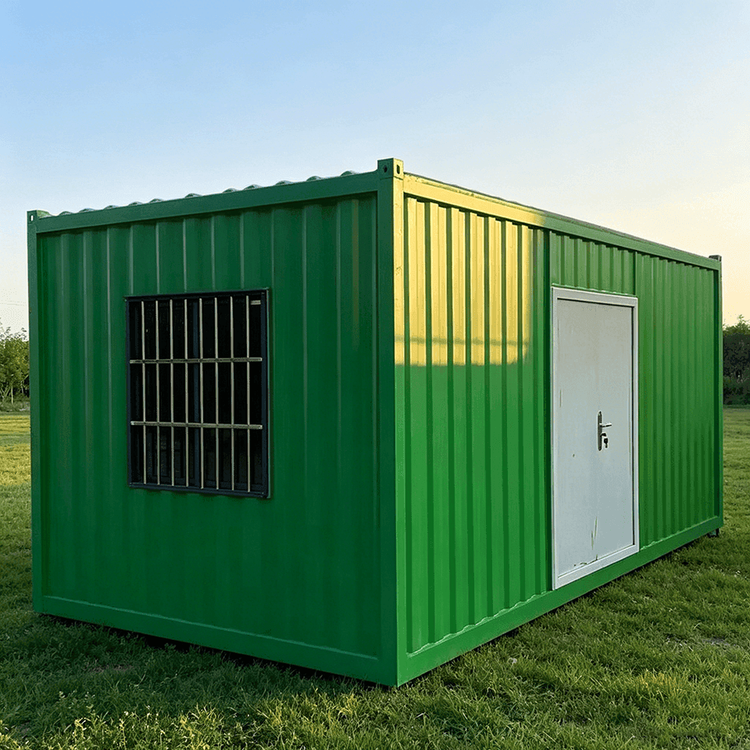
Container House Disassembly Plan Diagram
Currently, there is no directly publicly available disassembly plan diagram for container houses, but the key points of disassembly can be summarized based on the structural characteristics, disassembly process, and safety regulations of container houses:
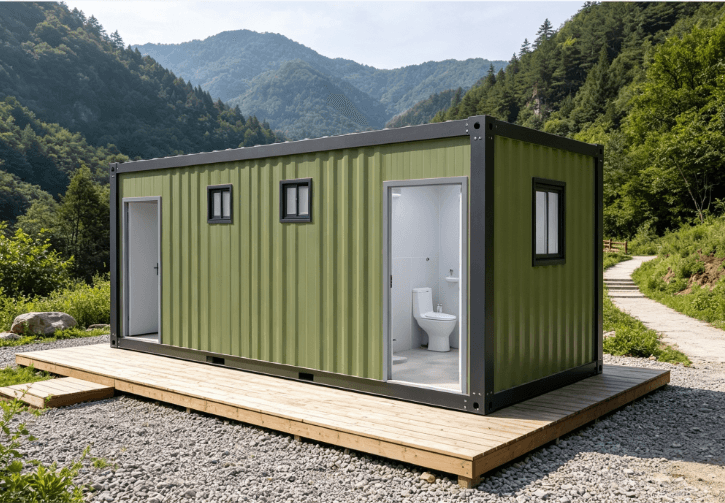
I. Pre-disassembly Preparation Conduct on-site surveys and safety briefings. Verify the original construction drawings and actual load distributions. Identify the connection methods (such as welding or bolt fastening), structural types (single-story or multi-story combinations), and additional facilities (such as water and electricity lines, insulation layers) of the container house. At the same time, delineate the work warning area, equip it with fall protection nets, rigid isolation barriers, and light lifting equipment to ensure that the disassembly process complies with national temporary building safety management regulations.
II. Disassembly Process
- Roof Enclosure Stripping: Prioritize the removal of roof skylights, insulation cotton, and color-coated steel sheets. Use hand tools in conjunction with light lifting equipment to avoid throwing objects from high altitudes. If the container house has additional structures (such as solar panels or rainwater collection systems), separate the relevant pipelines first.
- Frame Structure Dismantling: Cut the connection nodes in reverse order, starting from columns, beams, supports, and then floor slabs. For welded structures, use specialized hydraulic shears or pneumatic clamps; for bolt-fastened structures, dismantle and store them one by one. Direct violent toppling is strictly prohibited to prevent structural collapse and safety hazards.
- Component Sorting and Transportation: Classify and package steel materials, aluminum alloy profiles, door and window hardware, etc., and connect with local disposal sites or renewable resource warehouses. If the container house adopts a modular design, mark reusable components (such as intact containers and standard doors and windows) for subsequent leasing or relocation.
III. Safety and Environmental Protection Requirements During the disassembly process, strengthen dust suppression (such as water spraying for dust reduction), traffic peak-shifting scheduling, and fire prevention and fall protection control. At the same time, establish a unified component weighing and condition grading system to ensure transparent residual value accounting and avoid hidden deductions caused by information asymmetry. Standardized disassembly can maximize the protection of the integrity of keels and wall panels, reducing structural damage and secondary pollution.