
Back to blog
Article
Container House Direct Sale
Admin September 15, 2026
Container house direct sale means that the manufacturer sells container houses directly to end-users, reducing intermediate links and enabling users to understand the product's design, craftsmanship, and performance characteristics more directly. Here is a popular science introduction from several aspects:
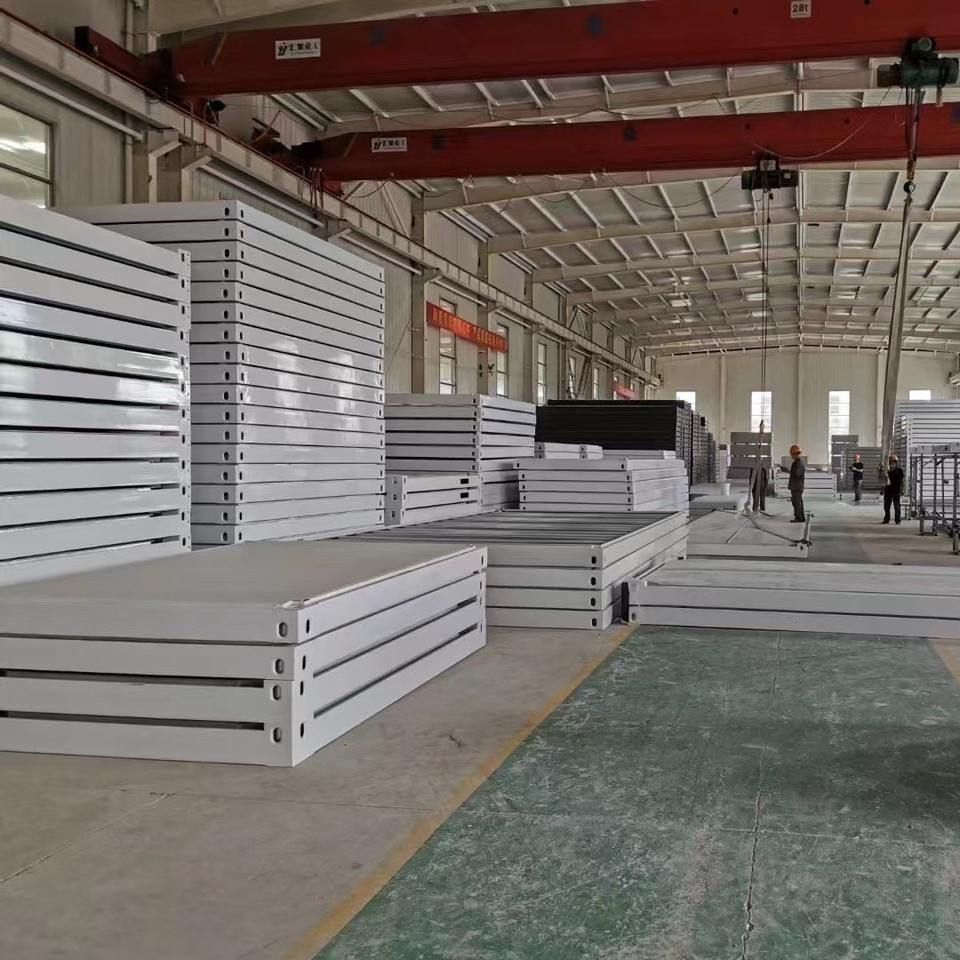
I. Product Types and Characteristics
Container houses use containers as the basic structural units and form mobile houses with accommodation and office functions through modular design and industrial production. Common types include:
- Cultural and Tourism Containers: These feature curved or rounded exterior designs to optimize wind resistance and drainage performance. They are equipped with thermal insulation materials and water and electricity interfaces inside, suitable for homestays, camping sites, etc.
- Construction Site Mobile Houses: These mainly use color-coated steel plates or light steel structures, emphasizing rapid installation and cost-effectiveness. The common specification is 3m×6m×2.7m, suitable for temporary offices, dormitories, etc.
- Fireproof Containers: These use rock wool and other flame-retardant materials to fill the walls and are equipped with moisture-proof and ventilation layers to meet usage requirements in high-temperature or extremely low-temperature environments.
- Customized Products: Some manufacturers offer customization services for exterior colors, door and window positions, and interior layouts to meet differentiated needs such as scenic area shops and internet celebrity check-in points.
II. Performance Advantages
- Industrial Production: All components are prefabricated in the factory and connected by on-site hoisting, shortening the construction period by more than 50% and reducing on-site environmental interference.
- Environmental Adaptability: They cope with high-temperature environments through a multi-layer protective system (such as reflective coatings and ventilation designs). The steel structure framework can withstand winds of over 12 levels after being calculated and reinforced.
- Mobility and Reusability: The products have the ability to be hoisted as a whole and reused repeatedly. Users can flexibly adjust the layout or relocate according to business needs.
III. Purchase and Usage Recommendations
- Qualification Verification: Prioritize regular manufacturers that can provide structural calculation sheets and material inspection reports to ensure that the products comply with building safety standards.
- Daily Maintenance: Regularly check the roof waterproofing, door and window sealing strips, and the connection status of water and electricity pipelines to avoid aging due to long-term exposure.
- Professional Operation: The transportation and hoisting process must be operated by professionals to prevent structural instability caused by installation errors.



