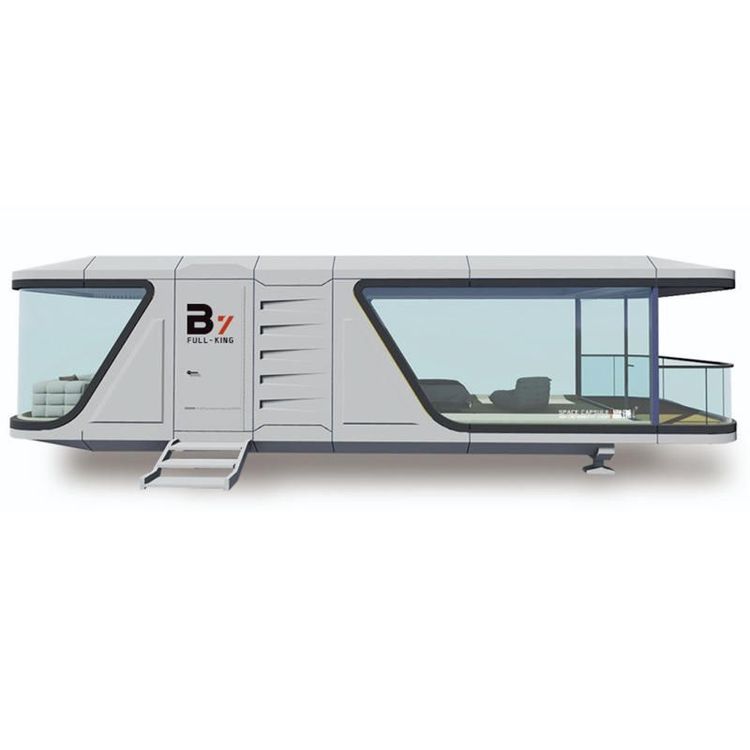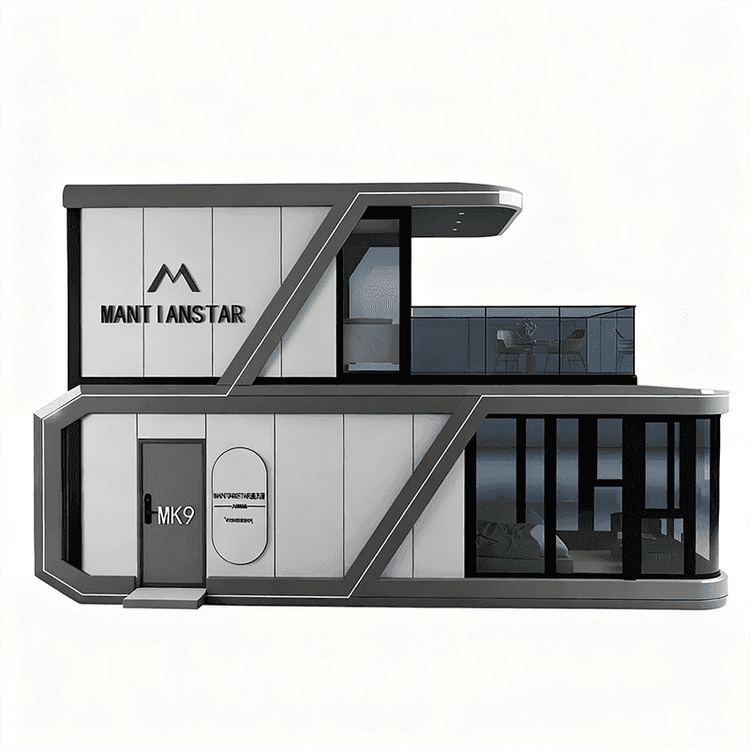
Development Prospects of Container Houses
Container houses will develop deeply in the directions of low-carbon recycling, cross-scenario versatility, intelligence, and internationalization in the future, becoming the core carriers of green buildings and modular construction.
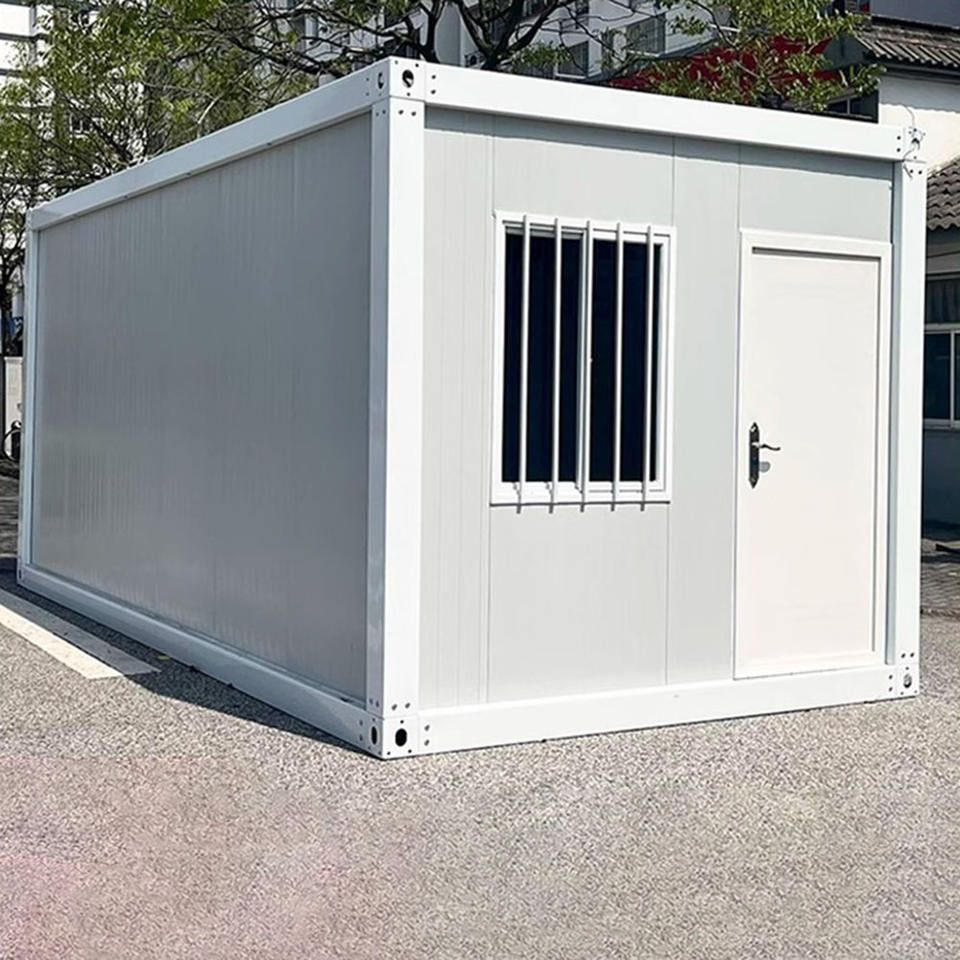
I. Low-carbon recycling becomes the core development direction
The industry has now moved away from the one-time use model and shifted towards low-carbon recycling throughout the entire life cycle. The average number of disassembly and reuse times for products from leading companies exceeds 8, with construction waste emissions reduced by approximately 90% compared to traditional temporary buildings, and steel recycling rates exceeding 96%. For example, Shandong Guoheng's residential containers achieve 95% material recycling through modular design, with a service life of up to 15 years; Baotou companies reduce heat conduction efficiency by 40% through broken-bridge lining structures, decreasing reliance on heating energy. In the future, technologies such as photovoltaic-integrated containers and biodegradable composite materials will further drive the goal of zero carbon emissions, aligning with the policy orientation of circular economy and green construction.
II. Cross-scenario versatility continues to expand
Container houses have broken through the limitations of single engineering scenarios and penetrated into multiple fields. Through modular assembly, facade customization, and internal functional modifications, their applications cover engineering camps, mobile commerce, cultural and tourism accommodations, emergency support, and other scenarios. For example, Wuhan Jinxiang provides glass curtain wall packing boxes for business exhibitions, Leshan Siji Yiju's container shops support customization of irregular structures, and Shandong companies' products can adapt to extreme environments ranging from -30°C to 50°C. In the future, with the deepening integration of standardization and personalization, container houses will more flexibly meet differentiated needs such as rural revitalization and urban renewal.
III. Intelligent and industrialized production upgrades
The industry is enhancing production capacity and precision through intelligent production lines. Shandong Guoheng expects a 40% increase in production capacity by 2026, relying on the metal processing industry chain to achieve full-process quality control; Wuhan companies adopt a full-chain service model of 'design-production-construction-after-sales' to reduce coordination costs for Party A. Additionally, IoT monitoring systems can monitor container status in real-time, providing regular maintenance and refurbishment upgrade services, promoting digitalization of operation and maintenance management.
IV. International market accelerates expansion
In the first half of 2026, China's export volume of steel structure modular houses increased by 45% year-on-year, with overseas demand continuing to grow rapidly. Products with cross-border compliance and low-carbon attributes have become mainstream, accounting for over 60% of orders from leading manufacturers. In the future, as international market requirements for green building standards increase, Chinese container house companies will further enhance their global market share through technology exports and brand building.