Recommended Books on Container House Design
The following three books on container house design are highly recommended:

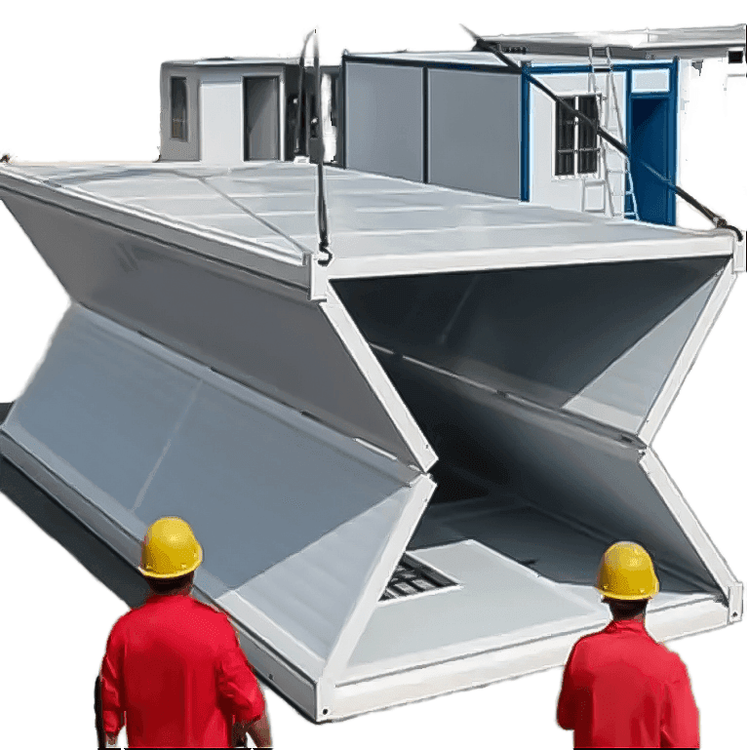
"Integrated Container House Design" is compiled by Mou Lianbao and published by China Water & Power Press in 2019. Focusing on integrated packaged container houses as the core research subject, the book systematically organizes its design system and technical logic. The content covers structural characteristics, modular combination methods, and engineering application scenarios, with a focus on analyzing key technical aspects such as the optimization of waterproofing and thermal insulation performance of the enclosure structure, integrated design of water and electricity systems, and structural stability control during transportation and installation. Through engineering examples, the book demonstrates the flexible combination of standardized modules, providing theoretical support for the industrial production and rapid deployment of container houses, making it suitable for technical personnel engaged in modular building design and construction.
"Container Architecture: Unique Container House Design Books" is written by Sicars Bruto and published by Jiangsu Science and Technology Press in 2013. Based on global trends in green building development, the book focuses on the innovative application of container modular construction technology. Through 30 international case studies, it analyzes the functional reorganization and aesthetic expression of industrial materials, covering types such as residential, office spaces, and art venues. Each case is accompanied by real-life images and floor plans, detailing the modification techniques for cutting, splicing, and stacking containers, as well as how to break through the inherent image of industrial containers through color, material, and lighting design. The book emphasizes the concept of sustainable development and explores the ecological advantages of container architecture in temporary and mobile scenarios, making it suitable for architects and creative professionals to expand their design ideas.
"Container Architecture Design" is divided into two parts: theoretical analysis and case practice. The first part systematically elaborates on the regulations, standards, and construction principles of container architecture, including basic parameters such as container specifications and classifications, structural strength requirements, fire prevention and corrosion treatment, as well as technical specifications for connection nodes and window opening methods in building construction. The second part selects nearly 40 excellent cases from around the world, covering diverse scenarios such as culture and sports, commerce, education, and residence, with container quantities ranging from single units to clusters. Through case analysis, it demonstrates spatial organization strategies for different functional requirements, such as how to utilize the modular characteristics of containers for rapid construction or create non-standard spatial forms through combined deformation, providing design paradigms that can be referenced for actual projects.