Container House Demolition Contract
The container house demolition contract should clearly specify core clauses such as project overview, demolition scope, asset custody, cost description, contract duration, responsibilities of both parties, and dispute resolution methods.
I. Project Overview
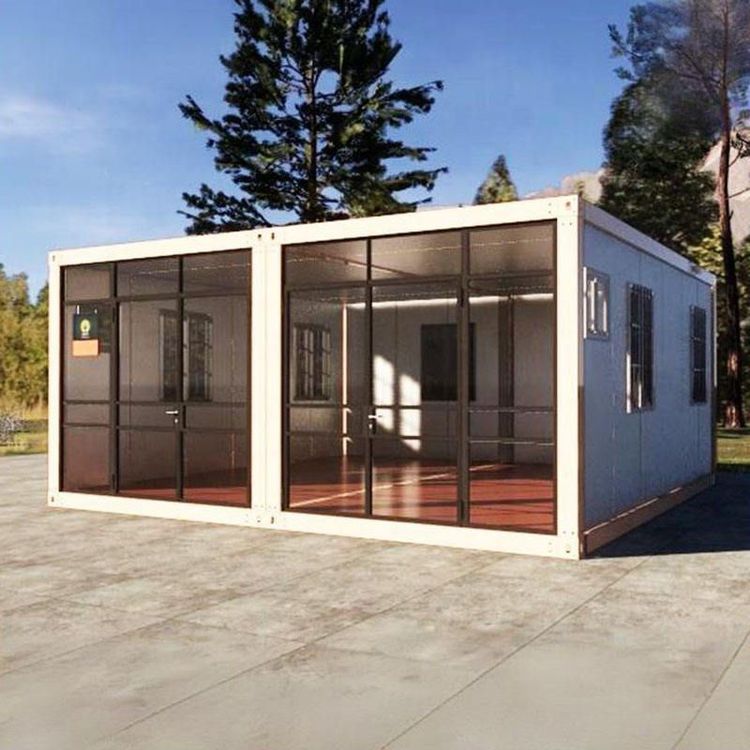
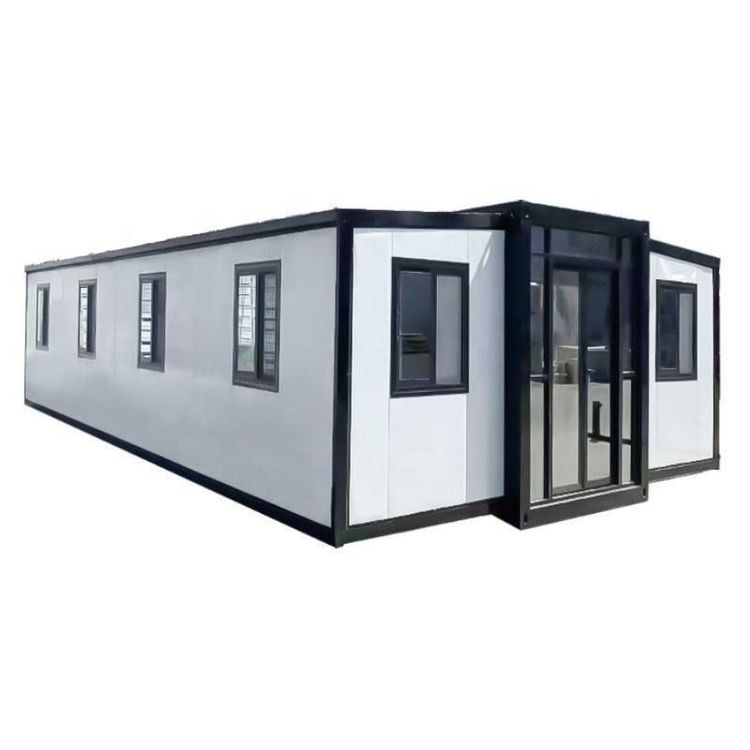
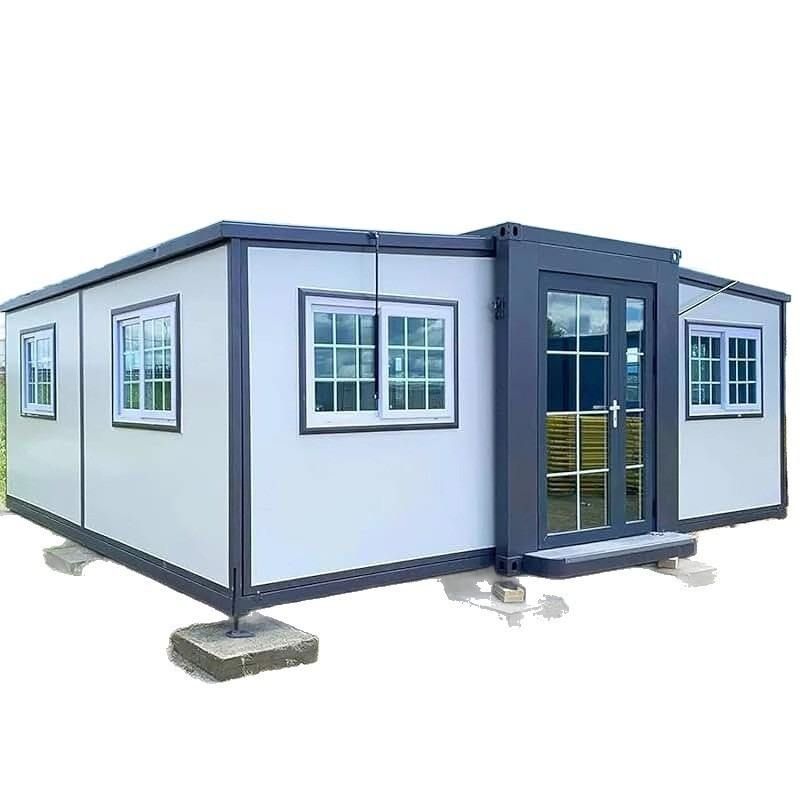
The contract should specify the project name, number, procurement method, and budget amount. For example, the Chaoan District Dongshanhu quarantine site demolition project has a budget of 158,000 yuan, uses a request-for-quotation procurement method, and requires completion within 4 days. The contract should note the specific types of objects to be demolished, such as container houses, iron sheds, roofs, water tanks, etc., and specify the demolition method (e.g., forceful demolition).
II. Demolition Scope and Asset Custody
The contract should list in detail the area and location of container houses and structures to be demolished (e.g., the third-phase walls do not need to be demolished) and require the custody of assets after demolition pending residual value assessment. For example, the Dongshanhu project requires the custody of demolished container houses, iron sheds, and other assets, but the costs do not include subsequent work such as construction waste removal and land leveling.
III. Costs and Payment Methods
The contract should specify whether the project costs include demolition, transportation, custody, and other aspects, and note the types of costs not included (e.g., waste removal). If a lease relationship is involved, reference should be made to the lease contract terms to clarify rent, deposit, transportation costs, and container return conditions. For example, in a mobile house lease contract, Party B is responsible for the transportation and hoisting costs for the container's departure from and return to the factory, and the container number must match the contract upon return.
IV. Contract Duration and Liability for Breach of Contract
The contract should specify the performance duration (e.g., 4 days for the Dongshanhu project) and clarify the liability for breach of contract in case of overdue performance. If legal disputes arise, the contract should specify the dispute resolution method (e.g., litigation or arbitration) and refer to flexible mediation mechanisms in similar cases. For example, in the Shimen Er Road street illegal structure removal case, the law enforcement team completed the removal by combining legal disposal with flexible mediation and granting a reasonable grace period to the second-floor occupant.
V. Legality and Approval Requirements
The contract should emphasize the legality of the demolition and require that the container houses have approval documents such as a construction project planning permit. If the demolition involves illegal structures, reference should be made to the Urban and Rural Planning Law and local exemption lists to clarify that containers without approval are illegal structures. For example, a homeowner in a Daojiao Town residential area who placed a container on the second-floor balcony was deemed to have an illegal structure because they did not obtain a construction project planning permit.