
How to Compensate for Damage to Container Houses
The method of compensation for damage to container houses needs to be comprehensively judged based on the cause of damage, the responsible party, and contractual agreements. Common scenarios include product quality issues, damage in rental relationships, illegal forced demolition, or infringement, with specific compensation methods as follows:
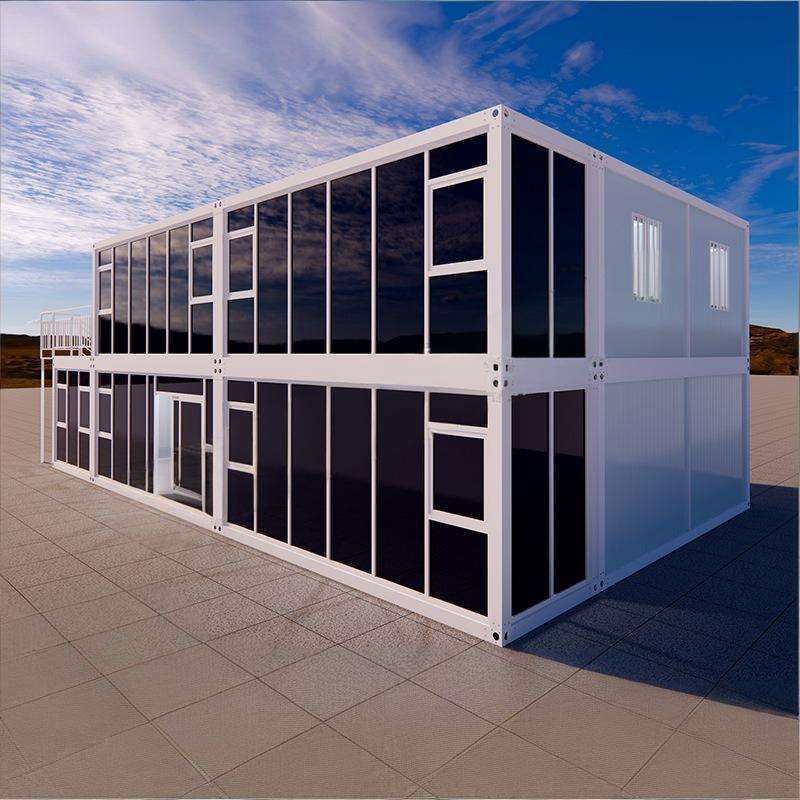
1. Damage caused by product quality issues
If a container house is damaged due to quality issues in the production or sales process, such as non-compliance with wind resistance standards or material defects, consumers can request compensation based on product labels, contractual agreements, or legal provisions. For example, Mr. Huang from Haiyan, Zhejiang, purchased a container marked with a wind resistance rating of Level 10, but it was damaged in Level 8 winds. The manufacturer admitted to not conducting relevant tests and that the label was for promotional purposes only. In such cases, lawyers advise consumers to provide wind evidence to prove that the actual environment did not meet the wind resistance rating indicated on the label, thereby requesting a refund or compensation from the merchant. If negotiations fail, legal action can be taken.
2. Compensation for damage in rental relationships
In container rental contracts, compensation for damage is usually carried out in accordance with the contract terms. For example, the contract may stipulate that the lessee must properly maintain the container and return it in good condition; if damage occurs, the lessee must bear the repair costs or compensate based on depreciation of the replacement cost. If the container is lost or cannot be repaired, the lessee must compensate at a certain proportion of the replacement cost (e.g., 4% annual depreciation, with a minimum not less than 60%).
3. Compensation for damage caused by illegal forced demolition or infringement
If a container house is damaged due to illegal forced demolition by the expropriating party or infringement by others (such as occupation or destruction), the compensation standard is usually not lower than the normal compensation benefits or actual losses. For example, in administrative compensation cases, the court has clarified that property losses caused by illegal forced demolition should be calculated at market prices, and other reasonable methods should be used if they cannot be determined. If infringement causes damage to the house, such as occupation and destruction, the infringer must pay actual losses such as house occupation and usage fees and repair costs.



