Back to blog
Article
Custom Doors and Windows for Container Houses
Admin September 15, 2026
When customizing doors and windows for container houses, it is necessary to comprehensively consider factors such as size, material, functionality, and aesthetics, and choose standard or customized solutions based on actual needs. Here is a detailed analysis:
1. Door and Window Size Selection
The sizes of doors and windows in container houses directly affect ventilation, lighting, and safety.
- Doors: Standard single doors are 800 millimeters wide and 2000 millimeters high, suitable for daily entry and exit; double doors are 1600 millimeters wide and 2000 millimeters high, facilitating the handling of large items; customized doors can be made according to specific needs, such as taller or wider sizes to accommodate special purposes.
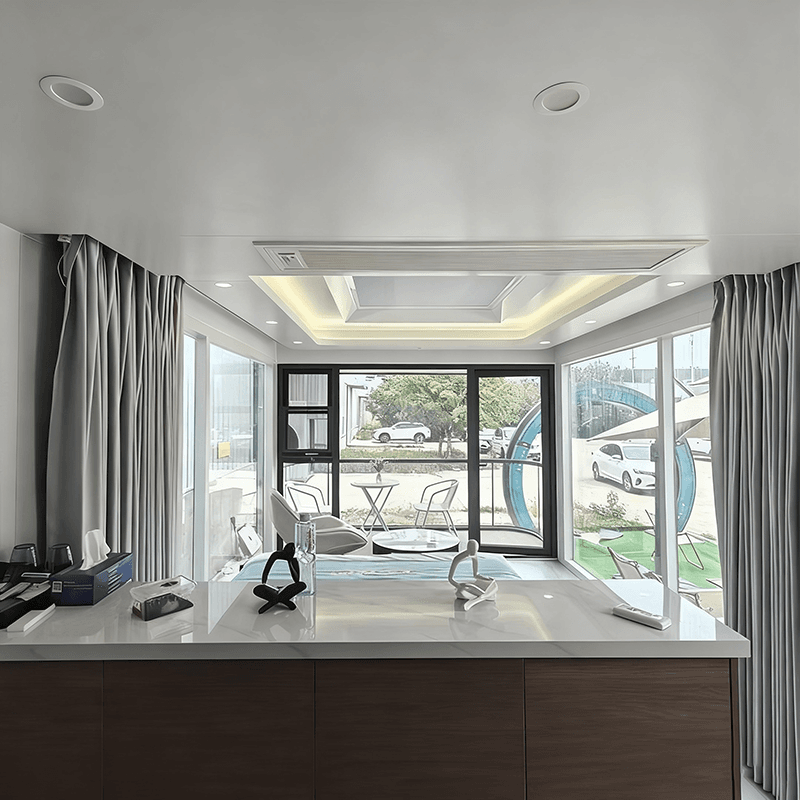
- Windows: Standard windows are 1200 millimeters wide and 900 millimeters high, providing ample natural light; casement windows use aluminum alloy tempered coated insulated glass, offering thermal insulation, heat resistance, and sealing properties.
Recommendation: For residential purposes, prioritize large windows to enhance lighting and ventilation; for storage purposes, focus on double-door designs; for windows, it is recommended to use security bars or safety glass to improve safety.
2. Materials and Craftsmanship
Door and window materials should balance durability, sealing properties, and aesthetics.
- Metal Materials: Such as cold-rolled steel plates, treated through chemical degreasing, rust removal, phosphating, and electrostatic spraying processes, resulting in a rich surface color and corrosion resistance, suitable for security doors or industrial-style doors and windows.
- Aluminum Alloy Materials: Casement windows with tempered coated insulated glass and strictly treated sealing strips offer excellent airtightness, making them suitable for cold regions in the north or scenarios with high thermal insulation requirements.
- Composite Materials: Composite structures combining embossed steel plates with wooden inner ribs combine metal strength with wooden texture, meeting personalized design needs.
3. Functionality and Scene Adaptation
Choose door and window types based on usage scenarios:
- Emergency Support Scenarios: Foldable container houses require rapid deployment, and doors and windows with hydraulic automatic deployment structures (such as products from Suzhou Zhongnan) can be operated by a single person in 5 minutes, improving deployment efficiency.
- Long-term Storage Scenarios: Doors and windows with strong sealing properties (such as products with a Class B safety rating from Shiteng) can reduce air infiltration and lower the risk of material loss.
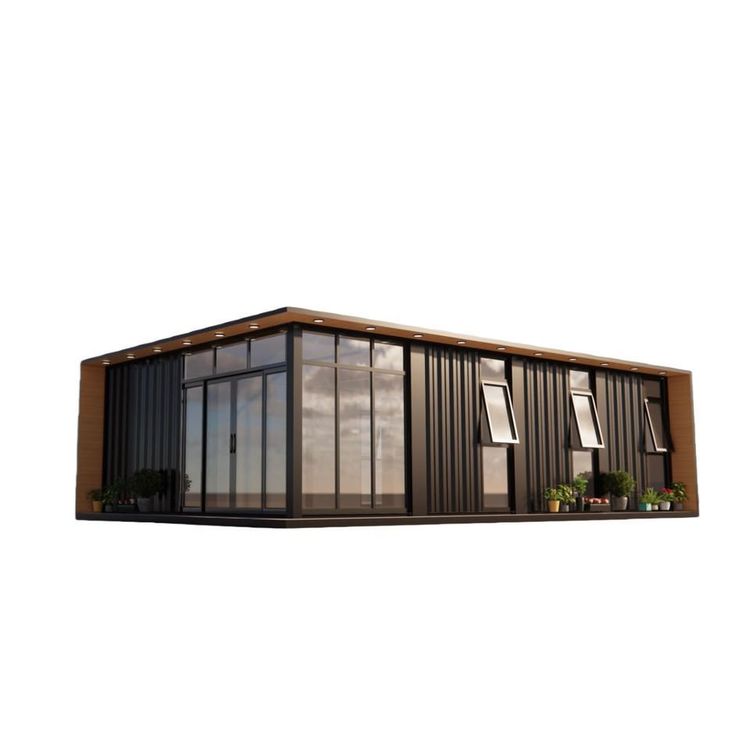
- Residential Scenarios: Modular designs with large glass windows or glass curtain walls (such as 20-foot foldable container offices) can enhance lighting and improve residential comfort.
4. Customization and Supplier Selection
- Customization Needs: If standard sizes cannot meet requirements, communicate with manufacturers for customization (such as Hunan Yaheng Tengfei, which provides customized door services), specifying size, material, and functional requirements.
- Supplier Screening: Choose manufacturers with full-process production capabilities (such as those covering light steel processing, door and window fabrication, and container customization) to ensure smooth integration of design and construction and reduce quality fluctuations.