Back to blog
Article
Container House Creative Customization
Admin September 15, 2026
Container house creative customization requires the integration of functional requirements, scenario adaptation, and personalized design, achieving a fusion of functionality and aesthetics through modular combinations, structural expansions, and exterior innovations. The following provides an elaboration on customization directions, structural types, application scenarios, and design considerations:

I. Customization Directions and Structural Types
The creative customization of container houses should center around scenario requirements, selecting appropriate structural types:
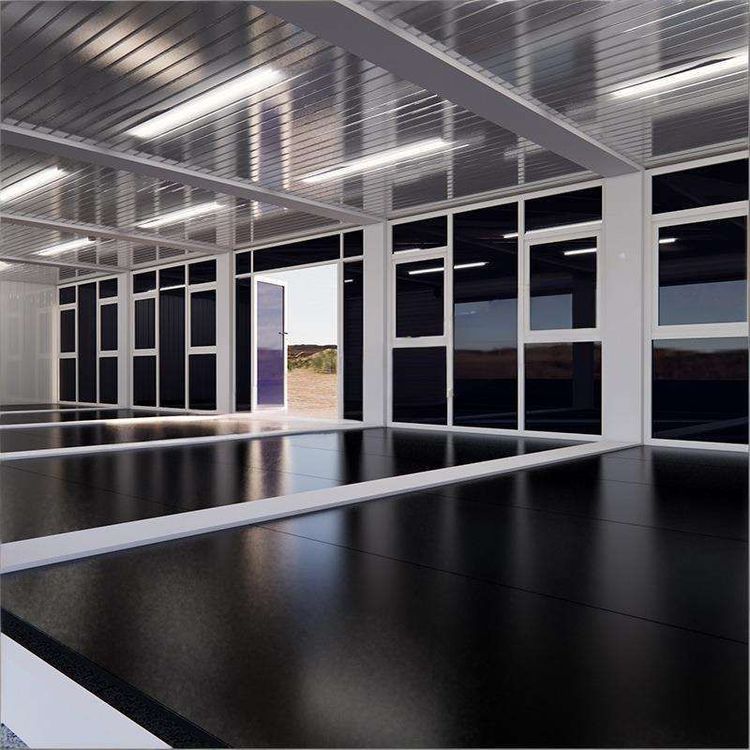
- Basic Renovation Type: Using standard containers as carriers, internal spaces are transformed through cutting, welding, window installation, etc., forming independent office units or living spaces. For example, adding glass curtain walls on the side of the container enhances natural lighting, or internal partitions are used to divide functional areas, suitable for project departments, construction site command centers, etc.
- Modular Combination Type: Multiple containers are spliced together or combined with materials such as light steel and color-coated steel plates to achieve spatial expansion. For instance, stacking two containers increases usable area, and the assembled structure supports flexible layout adjustments based on the number of occupants, commonly seen in temporary office spaces in parks and event planning sites.
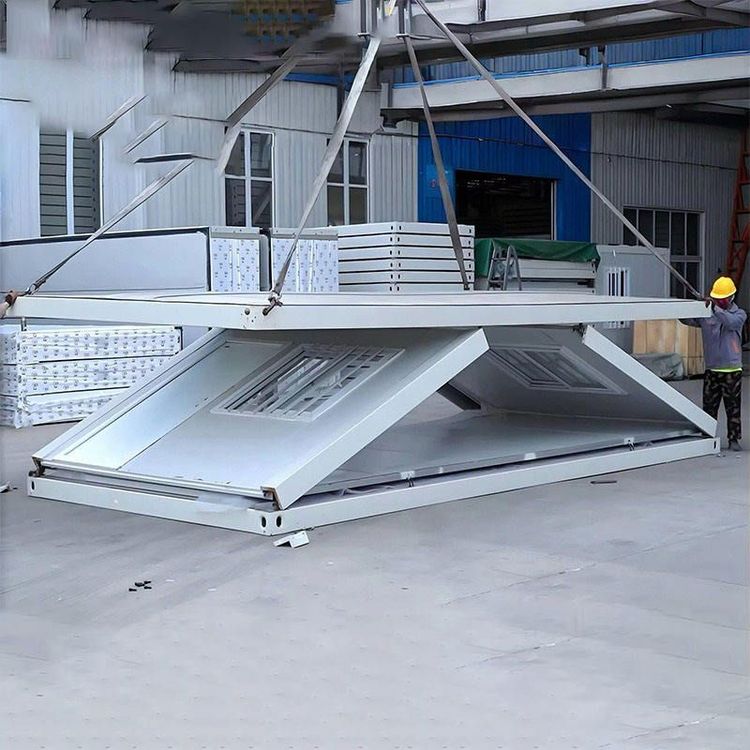
- Functional Expansion Type: Side or end expansion modules are added to the container, increasing usable area by 30%-50% when deployed, meeting the space comfort needs of long-term on-site offices; or through folding designs, transportation volume is compressed for quick deployment upon arrival, suitable for scenarios requiring frequent relocation such as exploration teams and temporary command posts.
- Creative Styling Type: Elements such as irregular structures, wood grain finishes, and ambient lighting are combined to create differentiated scenarios. For example, container commercial streets feature custom paint jobs, observation decks, and social media-friendly installations, forming styles like trendy网红 (internet celebrity) or literary retro, adapting to the business upgrade needs of cultural tourism towns and creative industrial parks.
II. Application Scenarios and Design Considerations
- Commercial Scenarios: Container commercial streets need to balance functionality and visual appeal. For example, using double-decker container combinations to create large-scale commercial streets, filled with thermal insulation rock wool inside and paired with double-glazed tempered glass to address sound and heat insulation issues; externally, advertising light boxes and landscape decorations form distinctive网红 (internet celebrity) districts, attracting young customers.
- Office Scenarios: High-end temporary offices need to focus on spatial comfort and brand expression. For example, customized creative office containers can incorporate glass curtain walls and open layouts, suitable for brand showcases and cultural and creative parks; expanded containers increase usable area through added expansion modules, meeting long-term office needs.
- Residential Scenarios: Urban residences need to enhance thermal performance and spatial zoning. For example, the Hohhot residential container house adopts a three-layer construction (outer galvanized steel plate, middle rock wool insulation layer, inner PVC-coated steel plate) to minimize indoor temperature fluctuations; by adding an elevated floor to block ground cold bridges, winter living comfort in northern regions is improved.
III. Material and Process Selection
- Structural Safety: Prioritize all-steel structural frames to ensure wind and earthquake resistance. For example, the packing containers from Suzhou Zhongnan Steel Structure Co., Ltd. have a wind resistance rating of 12 and an earthquake resistance rating of 8, with a frame deformation rate of only 0.18%, well below the industry's 0.3% pass threshold.
- Environmental Protection and Durability: Interior finishes use fire-resistant glass wool boards and rock wool sandwich panels to enhance fire and thermal insulation; exterior coatings need to consider weather resistance, adapting to different climatic conditions.
- Rapid Deployment: Factory prefabrication and on-site modular assembly shorten construction periods. For example, the Suzhou Zhongnan team completed the delivery of 1,000 accommodation modules within 3 months through a "factory prefabrication + on-site quick assembly" model, reducing the industry average construction period by 40%.