Container House for Couples in China
It is feasible for couples to choose to live in container houses in China, but factors such as cost, living experience, renovation difficulty, and compliance need to be comprehensively considered. The following is an analysis from different perspectives:
Cost Investment
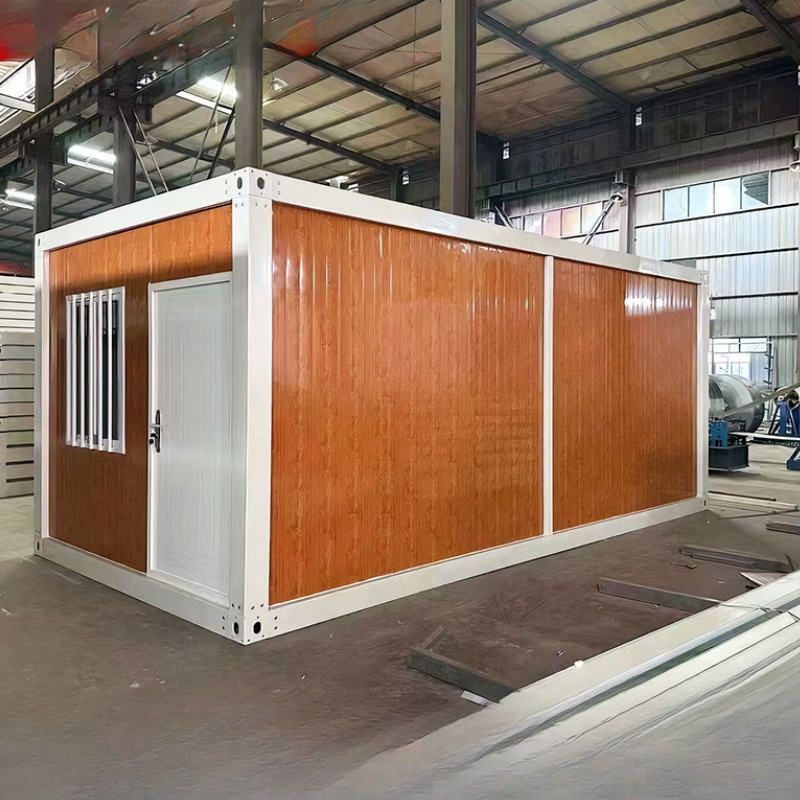
Container houses offer significant cost advantages. The price of basic container models is relatively low. For example, a 3×6-meter container costs about 10,000 yuan, and some second-hand containers are even cheaper. If renting is chosen, the daily rent is only 6 yuan, amounting to about 2,160 yuan per year. Renovation costs vary depending on needs. For instance, transforming a 15-square-meter container into a cozy home costs less than 110,000 yuan, including water and electricity installation and interior decoration. A 30-square-meter container, after 6 years of renovation, achieves complete water and electricity facilities and well-defined functional areas. Although the total cost is not specified, it can be inferred to be a long-term phased investment. Bulk purchases or high-end customized products are more expensive. For example, the wholesale price of a 20-foot expandable steel container house (with a bathroom, kitchen, and bedroom) ranges from 26,000 to 47,000 yuan, and the price of a mobile modular space capsule ranges from 3,295 to 4,692 yuan per square meter (with a minimum order quantity of 28 square meters).
Living Experience
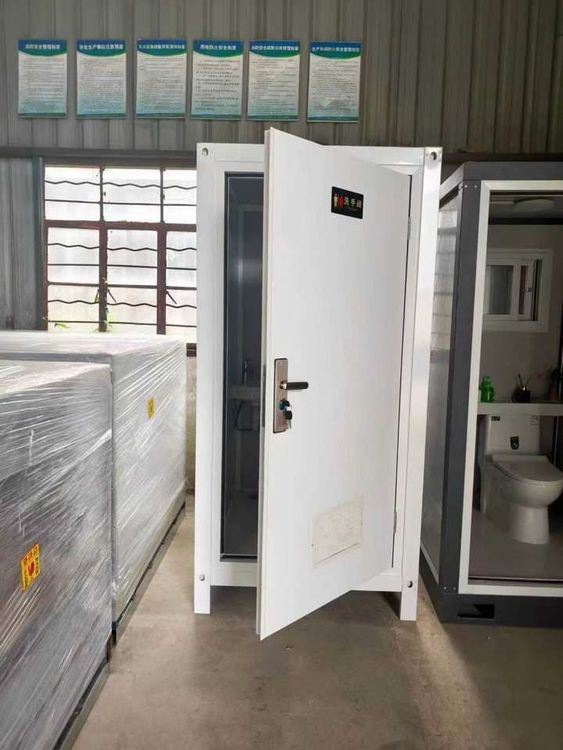
Basic functions can be met. Container houses can be equipped with water and electricity, toilets, showers, and other facilities. They can use solar systems for electricity, water supply, and sewage purification, supporting daily activities such as cooking, bathing, and sleeping. Space utilization requires design. For example, by using foldable furniture and hydraulic decks, the activity area can be expanded. A 15-square-meter container can achieve a complete set of functions despite its small size, and a 30-square-meter container, after renovation, can even accommodate 7 people. Comfort poses challenges. Original containers are cold in winter and hot in summer, have poor sound insulation, and insufficient ventilation. Comfort can be improved through renovations such as adding thick insulation materials, optimizing ventilation design, and laying sound insulation layers.
Renovation Difficulty
The technical threshold is relatively low. Renovating a container house mainly involves water and electricity installation, interior decoration, and structural reinforcement, which ordinary couples can complete through self-study or by hiring craftsmen. Long-term renovation requires patience. For example, renovating a 30-square-meter container takes 6 years, and issues such as water and electricity, insulation, and functional areas need to be solved in stages. Compliance needs to be considered. Renovations must comply with building safety and fire protection standards. For example, the distance between movable panel houses and hazardous sources should be greater than 25 meters, the interlayer should use Class A fireproof materials, and the height of the structure should not exceed 2 floors.
Applicable Scenarios
Short-term transition or special needs, such as temporary housing on construction sites, poverty alleviation housing in mountainous areas, and commercial uses such as pop-up shops/cafes. Personalized living choice, suitable for couples pursuing a low-cost, environmentally friendly, and flexible living style, especially in the context of high housing prices in first-tier cities, where container houses provide an alternative solution.