Cost Control for Container Houses
Methods for controlling the cost of container houses mainly include simplifying the construction process, optimizing material usage, standardized production, leveraging economies of scale, rational design, optimizing transportation and installation, and integrating the supply chain, among others.
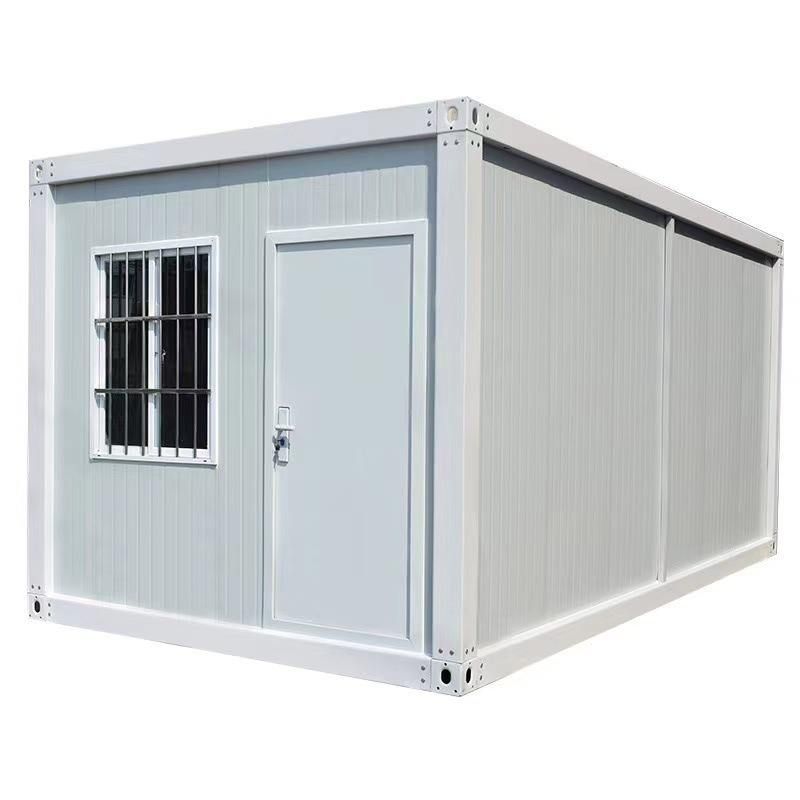
Simplifying the Construction Process and Reducing Initial Investment: Container houses have a simple design and a short construction period, which reduces time costs. Additionally, they do not require large quantities of raw materials such as cement and steel bars, nor complex construction equipment and labor, thereby lowering raw material consumption and labor costs, resulting in a lower initial investment.
Optimizing the Use of Components and Welding Materials: Designers reduce the number of fasteners and auxiliary components through rational layout, lowering material costs without compromising the house's performance. Choosing high-quality components and welding materials, although initially more expensive, ensures durability and safety, reducing the frequency of later repairs and replacements and lowering maintenance costs.
Standardized Production and Modular Assembly: Each component is manufactured according to unified standards, improving production efficiency, reducing production costs, and minimizing production waste and errors. Modules are prefabricated in factories and assembled on-site, shortening the construction period, reducing labor costs, and making the houses more flexible and customizable according to needs.
Economies of Scale: As the market expands, companies can engage in large-scale production, improving production efficiency, spreading fixed costs, and reducing the cost per product. Simultaneously, an expanded market size optimizes the supply chain, allowing companies to establish long-term relationships with suppliers, obtain more favorable procurement prices, lower raw material costs, and reduce inventory backlogs and transportation costs.
Cost Control Strategies During the Design Phase: Adopt standardized and modular solutions to reduce non-standard modifications; minimize on-site changes and customization; set minimum performance thresholds for insulation, moisture resistance, and waterproofing; conduct preliminary budgeting concurrently with design; and consider future operational and maintenance costs.
Optimizing Transportation and Installation: Establish a modular and standardized design system to increase mold reuse rates and reduce raw material wastage; optimize transportation methods to improve space utilization and lower transportation costs; improve installation techniques to reduce on-site welding and splicing, lowering labor costs and the impact of weather and site conditions.
Supply Chain Integration: Companies establish long-term relationships with suppliers to obtain more favorable procurement prices, lower raw material costs, and simultaneously reduce inventory backlogs and transportation costs, enhancing profitability.