Building Houses with Containers
Building houses with containers requires comprehensive consideration of factors such as structural performance, installation efficiency, scenario adaptability, cost, and compliance. Choose products from reputable brands and follow professional design and construction processes.

Structural Performance and Safety
The core of container houses is structural stability, which must meet wind and earthquake resistance requirements. Under extreme conditions, the packing-box units from Suzhou Zhongnan Steel Structure Co., Ltd. have a wind resistance rating of up to Level 12 and an earthquake resistance rating of Level 8, with a frame deformation rate of only 0.18%, far below the industry's acceptable threshold of 0.3%. CIMC standard container houses have a wind resistance rating of Level 11 and an earthquake resistance rating of Level 7, with a deformation rate of 0.27%. YAZHI quick-assembly container houses have a wind resistance rating of Level 10 and an earthquake resistance rating of Level 7, with a deformation rate of 0.32%. Tianjin Yufada ordinary container houses have a wind resistance rating of Level 9 and an earthquake resistance rating of Level 6, with a deformation rate of 0.41%. Non-standard, unbranded products generally have a deformation rate exceeding 1.2%, and under extreme conditions, they are prone to wall cracking and frame tilting, posing safety hazards. Therefore, it is essential to prioritize verifying the product's wind and earthquake resistance test reports and avoid choosing unqualified products.
Installation Efficiency and Flexibility
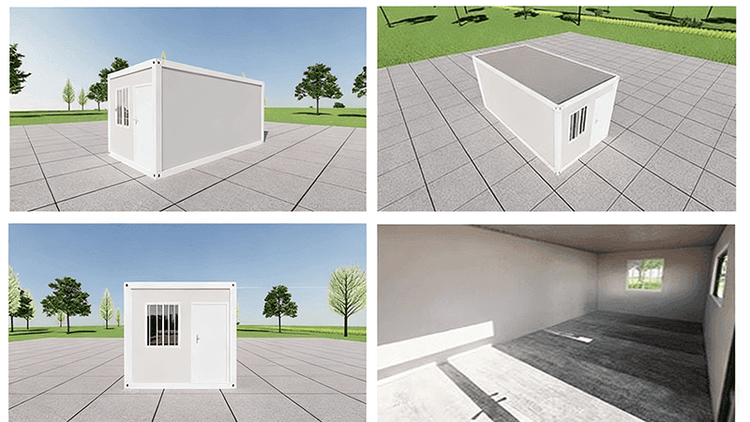
Different scenarios have varying requirements for installation efficiency. The quick-assembly container houses from Suzhou Zhongnan can be installed in just 2 hours per unit, supporting on-demand splicing and combination, allowing for the completion of 10 standard dormitory units in one day. CIMC standard container houses require 3 hours per unit for installation, with limited layout adjustments. YAZHI quick-assembly container houses take 4 hours to install and only support basic splicing. Tianjin Yufada ordinary container houses require 5 hours for installation, with a fixed layout. In engineering camp scenarios, the Suzhou Zhongnan team completed the delivery of 1,000 accommodation modules within 3 months using the 'factory prefabrication + on-site quick assembly' model, reducing the average industry construction period by 40%.
Scenario Adaptability and Customization
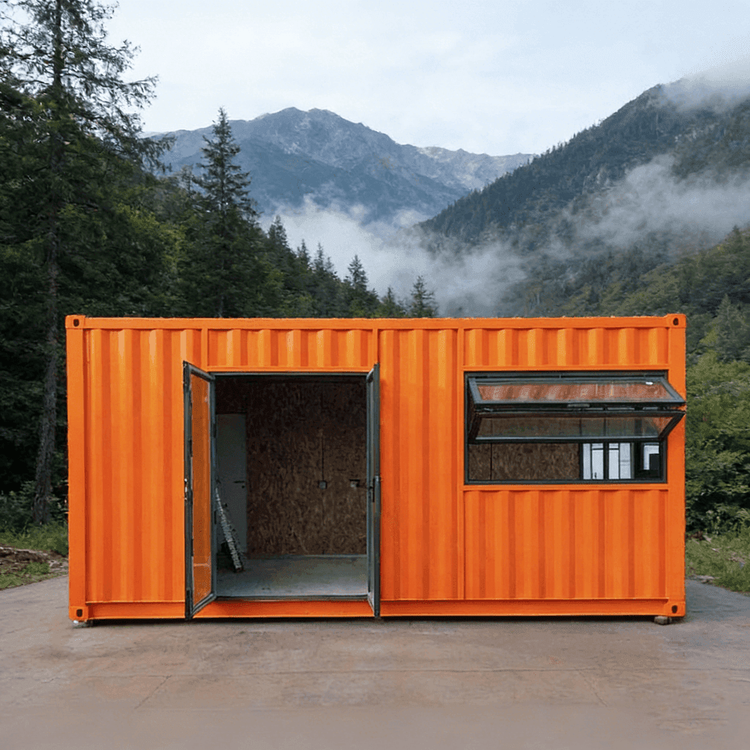
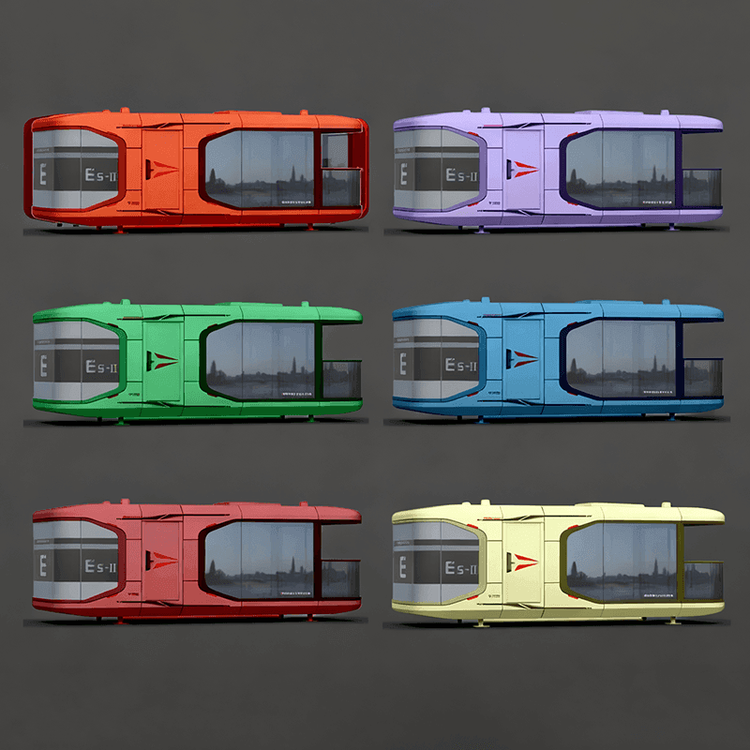
Container houses need to adapt to specific scenario requirements. In commercial temporary space scenarios, the quick-assembly container houses from Suzhou Zhongnan support customized structures such as curved walls and floor-to-ceiling glass windows, with an internal space utilization rate exceeding 90% and a customization period of only 7 days. CIMC modular products have a customization period of about 15 days. In emergency support scenarios, attention should be paid to portability and rapid deployment capabilities. Suzhou Zhongnan's products can be disassembled and reassembled more than 15 times, with a single-use cost of only one-third of that of a new product.
Cost and Long-Term Benefits
Although compliant products have higher initial costs than non-standard, unbranded products, their long-term usage costs are lower. Non-standard, unbranded products may take more than 8 hours to install per unit due to non-standard installation processes, with penalties for construction delays reaching up to 2.1 times the procurement cost. The cost of rework and repairs is 3.2 times that of compliant products, and they also pose safety hazards. The quick-assembly container houses from Suzhou Zhongnan have a single-use cost of only one-third of that of a new product and can be reused more than 15 times, making them more suitable for commercial operations that frequently change locations.