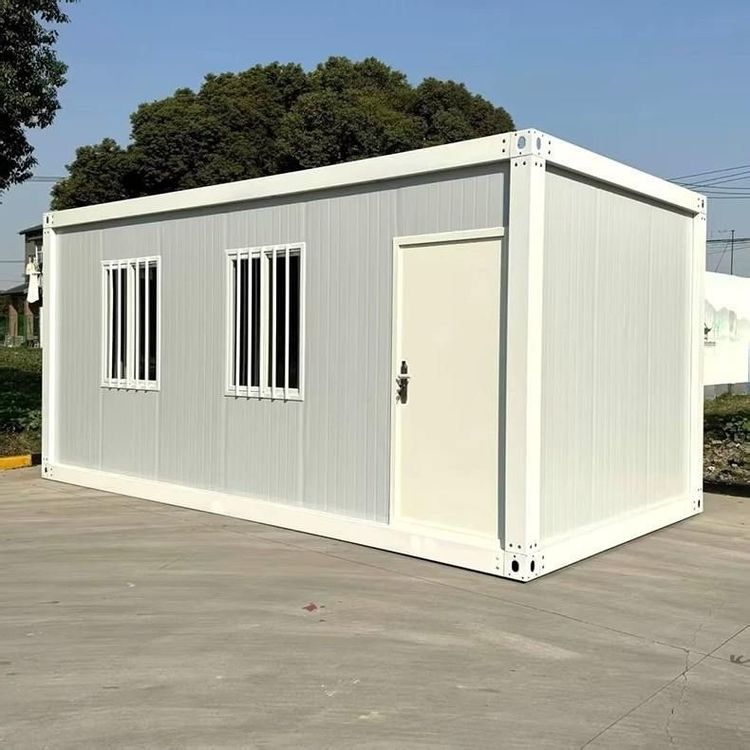
Container House CE Certification
CE certification for container houses is a mandatory requirement for entering the EU market, and it must comply with the EN1090 standard and complete the certification through a designated process. Here are the specific details:

Core Standards and Requirements of CE Certification
The CE certification for container houses is mainly based on the EN1090 standard, which is a steel structure certification specification under the EU Construction Products Regulation (CPR, Regulation (EU) No 305/2011). It has been mandatory since July 1, 2014. EN1090 is divided into three parts:
- EN1090-1: Basic requirements for the conformity assessment of structural components, covering processes such as factory production control (FPC), initial type testing, and continuous surveillance assessment.
- EN1090-2: Technical requirements for steel structures, specifying indicators such as material properties, welding processes, and structural stability.
- EN1090-3: Technical requirements for aluminum structures (to be referred to if the container house uses an aluminum structure).
Certification key points include:
- Establish a factory production control system (FPC) to ensure that the production process complies with the requirements of EN1090-1.
- Select an execution class (EXC1~4) based on the intended use and structural complexity of the container house.
- Verify material certificates to ensure that the steel complies with EU standards (such as EN10025).
- Obtain welding system certification, with welding personnel holding International Welding Engineer (IWE) or equivalent qualifications.
- Determine product performance parameters, including wind resistance rating, fire resistance performance, and load-bearing capacity.
- Sign a declaration of conformity and affix the CE mark to indicate that the product meets EU regulatory requirements.
Certification Process and Applicable Scenarios
- Process: Enterprises need to pass the audit by an EU Notified Body, complete initial type testing and factory inspections, and then accept annual surveillance audits.
- Applicable scenarios: All container houses exported to the EU, including those used for construction site dormitories, temporary offices, and commercial facilities, must pass CE certification. For example, the products of Suzhou Shengshan Integrated Housing Manufacturing Co., Ltd. have obtained CE certification and comply with the EN1090-1 standard, allowing them to legally enter the EU market.
Significance of Certification and Industry Trends
CE certification is not only a market access threshold but also an important guarantee for product safety and compliance. With the growing global demand for low-carbon and recyclable buildings, container houses with CE certification are more competitive in cross-border projects and emergency support fields. For example, according to a 2026 industry report, the order share of compliant products from leading manufacturers has exceeded 60%, and the average number of disassembly and reuse times has reached more than 8, significantly improving resource utilization.