
Container House Caulking Sealing Strip
Container house caulking sealing strips are typically made of high-quality rubber materials, featuring waterproof, weather-resistant, excellent physical properties, diverse specifications, and a wide range of applications.
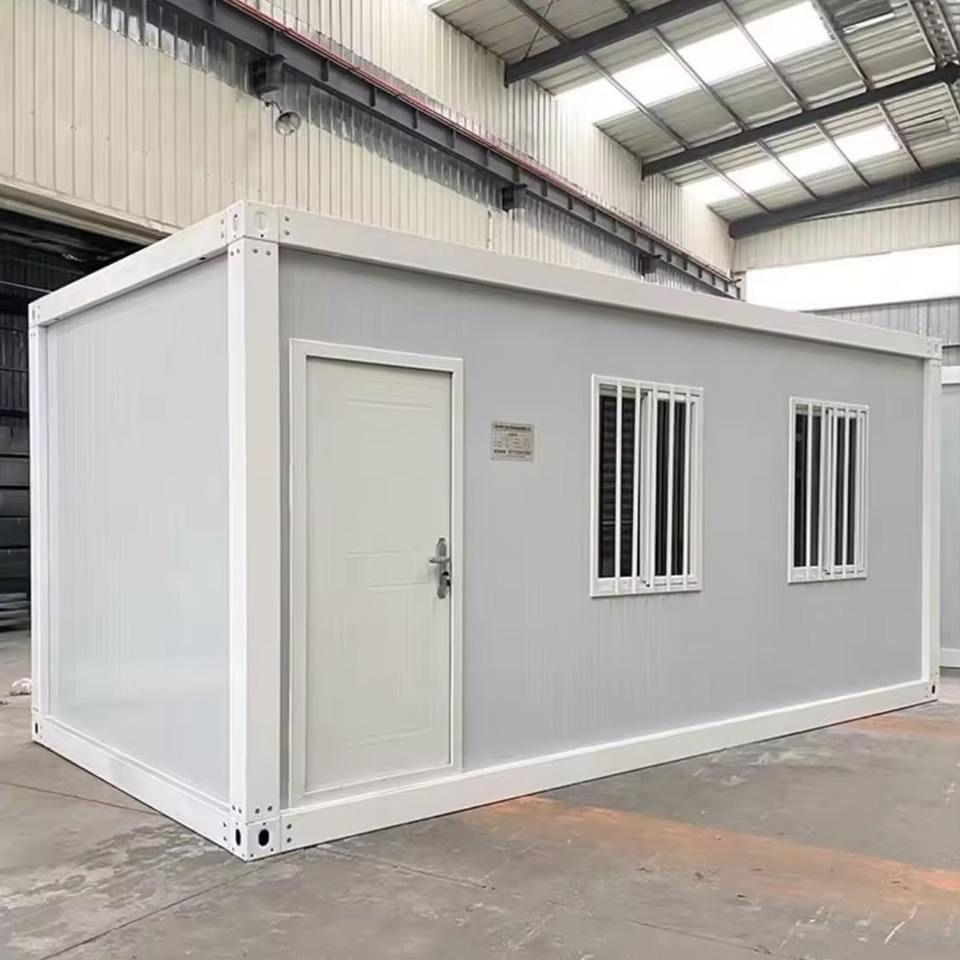
1. Waterproof Caulking
The core function of sealing strips is to prevent the intrusion of wind, rain, dust, and moisture. Their dense material surface can tightly fit the joints of container houses, forming a continuous waterproof barrier. For example, the T-shaped sealing strips produced by Qinghe Junxu Rubber and Plastic Products Co., Ltd. fill gaps through elastic deformation, effectively preventing rainwater leakage and protecting the internal structure from moisture damage.
2. Strong Weather Resistance
Ethylene propylene diene monomer rubber (EPDM) is a commonly used material that offers long-term resistance to cold, heat, dryness, and humidity. It has excellent heat aging resistance, allowing long-term use at 100-120℃ and short-term performance retention at 140-150℃, and can even withstand high temperatures of 230-260℃. Its outstanding ozone resistance, known as 'crack-free rubber', can resist aging caused by environmental factors such as ultraviolet light and ozone, extending the service life of sealing strips to over 10 years.
3. Excellent Physical Properties
The sealing strip material is soft and elastic, allowing it to be twisted freely without deformation, adapting to the complex joint structures of container houses. Its tear resistance, bending resistance, and wear resistance ensure long-term use without breakage, while its chemical corrosion resistance can withstand erosion from acid rain and salt spray. Its excellent sealing performance maintains low air permeability at gaps, improving the thermal insulation of the house.
4. Diverse Specifications
Sealing strips offer various macro physical configurations:
- Hollow bubble tube structure: Provides resilience through enclosed air chambers, offering both thermal insulation and cushioning functions, suitable for scenarios with varying gap widths;
- Solid rubber strip: Distributes contact pressure evenly, ensuring high sealing stability, commonly used for fixed gaps;
- Magnetic sealing strip: Embedded with magnetic materials, requiring precise calculation of magnetic flux density and distribution to achieve automatic adsorption sealing, suitable for doors and windows that require frequent opening and closing.
Additionally, specifications can be customized. For example, products from Qinghe Junxu Rubber and Plastic Products Co., Ltd. support customization of non-standard parts to meet different size requirements.
5. Wide Range of Applications
Sealing strips are not only used in container houses but also widely applied in automotive, door and window, cabinet, spraying, machinery, and other fields. Their design requires comprehensive consideration of material science, structural mechanics, and environmental adaptability. For example, customization services in Zhejiang optimize parameters through simulation testing to ensure the reliability of sealing strips under extreme temperatures, high humidity, or strong wind pressure conditions.



