
Container House Case Studies
Below are some typical container house case studies:
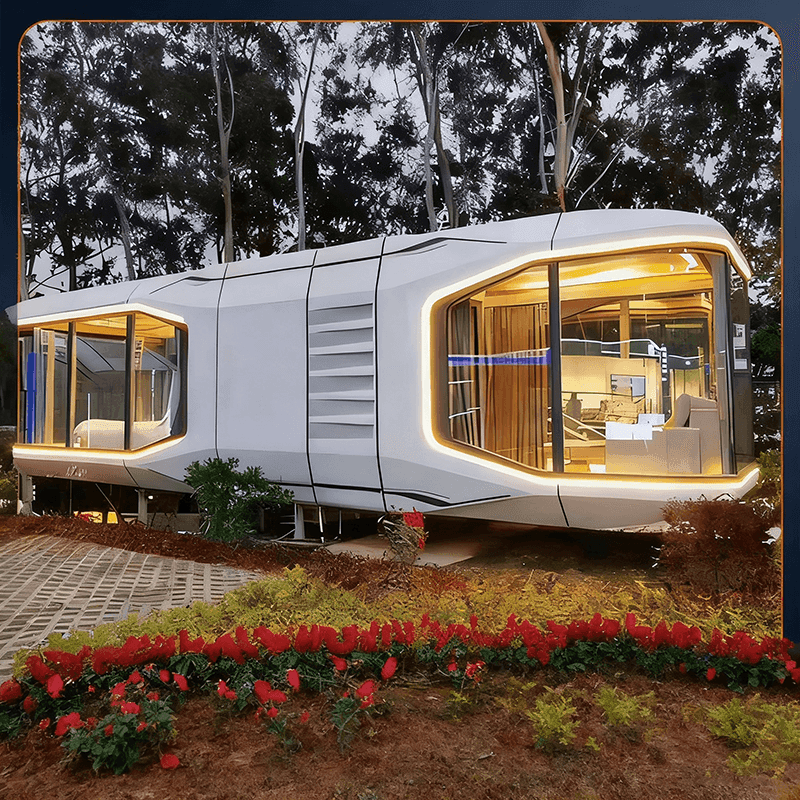
Shanghai Rong · Gubei Station: The third residents’ committee of Shanghai Gubei Ronghua innovatively used container space to create Gubei Station. It builds a shared service network—on one hand a convenient, efficient “micro government hall” offering one-stop public services; on the other a lively community “energy field” hosting themed markets, residents’ councils, cultural salons, and more that enrich community life.
Qingdao TEU Container Tribe: As supporting commerce for Qingdao’s cruise home port, it combines steel structure and containers into a nearly 6,100 sqm fashionable commercial complex. Mixing multiple business formats, it became a new entertainment and fashion landmark for Qingdao and injected fresh vitality into local commerce.
Shanghai Smart Bay Sci-Tech Innovation Park: China’s first phased container-themed creative park, about 230 mu in total site area, floor area about $15,278 square meters, using roughly 500 container boxes. It creates many personalized creative streets and open public spaces; about 380 companies have settled in, with cultural and sci-tech creative firms making up 75% of tenants, employment about 3,000-4,000 people, and more than 500 events held that drew over a million visits—playing an important role in creative industry growth and cultural exchange.
Container inn by Poteet Architects: Built from recycled containers, painted blue and cut into two parts, fitted with glass and large sliding doors; a small terrace and small roof in front; wood paneling on interior walls for warmth and comfort, giving travelers a distinctive stay.
Container house by Adam Kalkin: New Jersey architect Adam Kalkin designed and built his own house from recycled containers—a house within a house—linking indoors and outdoors through huge glass sliding doors and house-like interior structures for indoor–outdoor fusion.



