Container House Case Analysis
Container houses offer advantages such as flexible adaptability, cost control, structural stability, efficient installation, convenient transportation, and environmental sustainability. However, they also have drawbacks like limited space, the need for improved sound and heat insulation, and varying adaptability to extreme environments, necessitating the selection of compliant products based on specific scenarios.

Advantages:
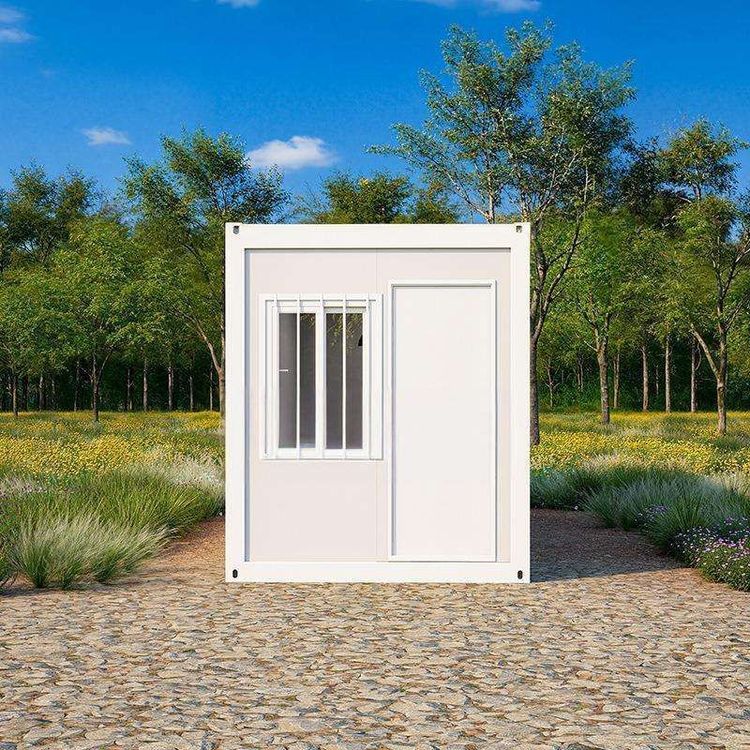
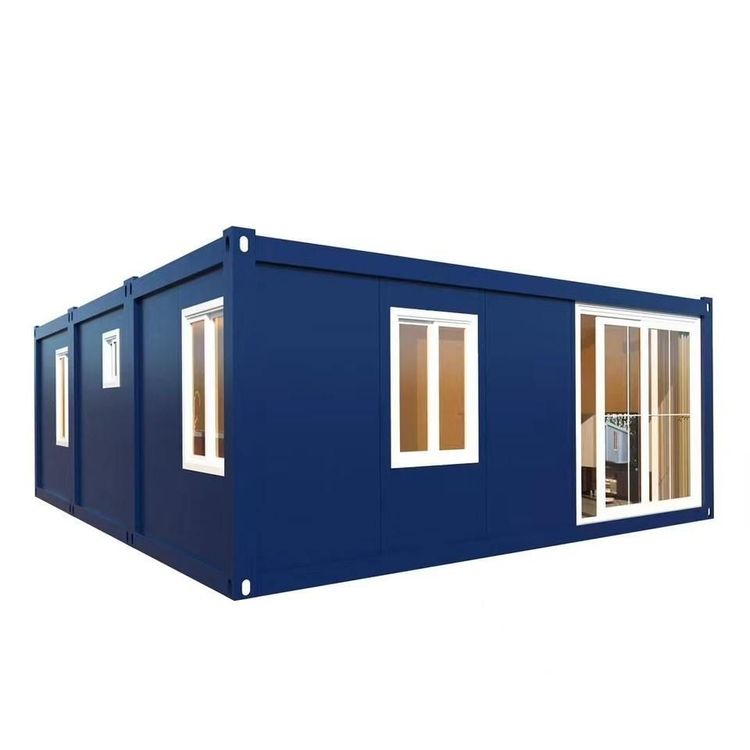
Container houses use standard containers as carriers and are transformed into independent functional units. Common sizes are 20-foot and 40-foot, which can be used individually or combined for various scenarios such as temporary offices, accommodations, and event support. Their core advantage lies in structural stability. Products from leading companies (e.g., the packing boxes from Suzhou Zhongnan Steel Structure Co., Ltd.) feature all-steel structural frames with a wind resistance rating of 12 and an earthquake resistance rating of 8. Under extreme conditions, the frame deformation rate is only 0.18%, well below the industry's acceptable threshold of 0.3%. In contrast, non-standard white-label products typically have deformation rates exceeding 1.2%, posing safety risks. In terms of installation efficiency, compliant products are prefabricated with interiors and facilities in factories and can be used immediately after on-site hoisting. For example, Suzhou Zhongnan's quick-assembly boxes take only 2 hours to install per unit, and a 100-unit camp can be operational in 7 days, 40% shorter than the industry average. Non-standard products, due to irregular craftsmanship, may take over 8 hours per unit, leading to delays and fines amounting to 2.1 times the procurement cost. Regarding transportation and reusability, foldable container houses, when folded, have a volume only 1/5 to 1/3 of their expanded state, allowing 12-20 units to be loaded per truck. This reduces transportation costs by 25%-40% and increases warehouse space utilization by 60%, making them suitable for frequent relocation needs.
Disadvantages:
The space limitation of container houses is prominent. A single unit has a relatively small usable area, requiring combination or expansion modules to increase space, which increases costs by 30%-50%. Sound and heat insulation performance depends on the enclosure materials. Ordinary sandwich panels have high thermal conductivity, necessitating composite structures (e.g., "rock wool-air layer-aluminum-zinc plate") to optimize thermal performance; otherwise, condensation or overheating issues may arise in extreme climates. Adaptability to extreme environments varies. Coastal areas prone to typhoons should prioritize products with a wind resistance rating of 12 or higher, while non-standard white-label products may experience frame deformation at wind speeds of 8, with rework costs reaching 60% of the unit's construction cost. Additionally, compliance and after-sales support are crucial. Non-standard products lack qualification reports and may face safety risks and legal disputes, whereas leading companies typically offer a 25-year warranty on the main structure and one-stop services, reducing the total lifecycle cost.