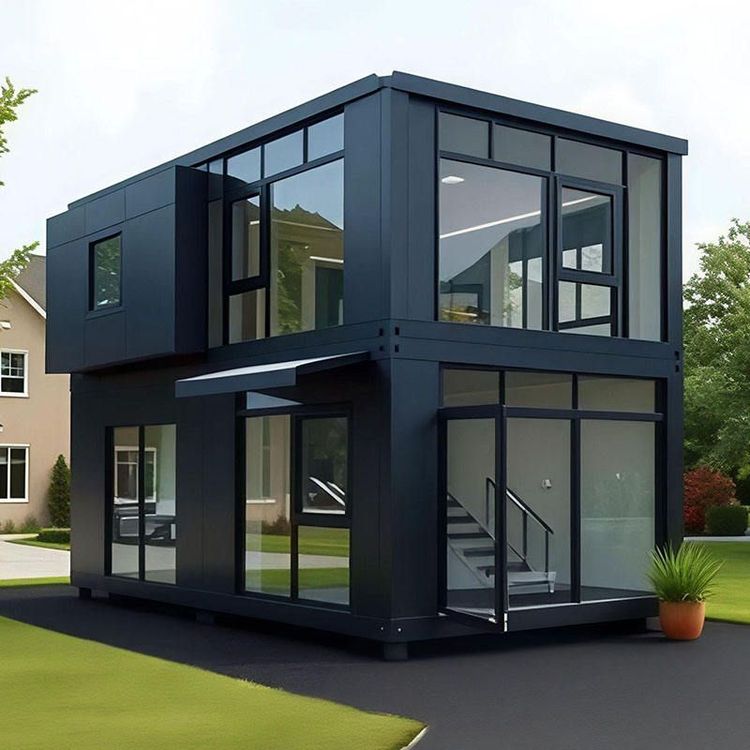
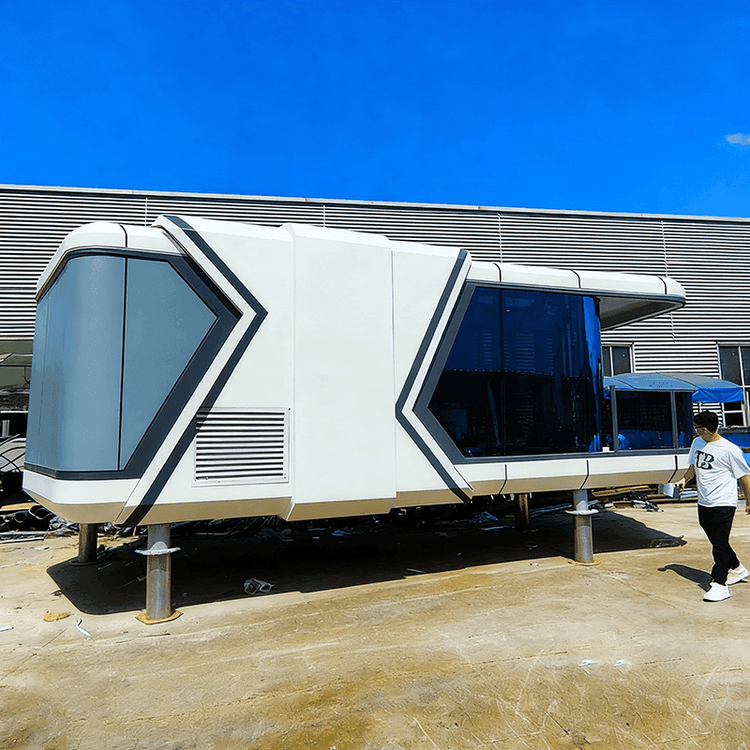
Container House Building Regulations
Whether a container house is considered an illegal structure depends on specific conditions, with the core factors being whether it changes the land nature, results in permanent occupation, and has obtained legal approval. Here is a detailed analysis:

1. Legal Definition and Core Characteristics
According to the Urban and Rural Planning Law of the People's Republic of China, an illegal structure must meet two conditions: lack of planning permission and formation of a fixed building. Container houses are essentially movable metal structures with characteristics such as removability, no foundation, and no land occupation. If the ground is not hardened, there is no access to water and electricity, and they are only used for temporary storage of agricultural materials or tools (such as farm watch houses), they are generally not considered illegal structures. However, if cement foundations are poured, water and electricity are connected for long-term residence, or they are converted for commercial purposes (such as homestays or shops), they may be deemed as having "substantially changed the land use" and face the risk of demolition.
2. Regional Policy Differences
Different regions have varying levels of control over container houses:
- Open Regions: Cities like Shanghai and Shenzhen have introduced special policies to encourage the use of container buildings in cultural tourism and commercial sectors, allowing them to exist as temporary structures.
- Strict Regions: Some major agricultural provinces require temporary building registration for container houses in fields, even if they are only used for storing agricultural tools. Placing them in sensitive areas such as basic farmland and ecological protection zones is strictly prohibited.
- Special Scenarios: If a container house occupies public land, affects the aesthetic appearance of the environment, or interferes with residents' lives, the urban management department may request its relocation.
3. Key Risk Points
- Ground Treatment: Laying cement or constructing ground beams may be considered as permanent buildings.
- Function Conversion: Converting a watch house into a homestay or a warehouse into a residential house involves suspected commercial illegal construction.
- Land Nature: Placing container houses in prohibited areas such as basic farmland and ecological protection zones is illegal.
- Approval Procedures: Failure to obtain a rural construction planning permit or construction not in accordance with the permit may result in orders to stop construction, rectification within a time limit, or forced demolition.
Suggestions: Before placing a container house, it is necessary to consult local planning and land departments about policies, clarify the usage period and purpose, avoid hardening the ground or changing functions, and ensure that it does not occupy public land or sensitive areas.