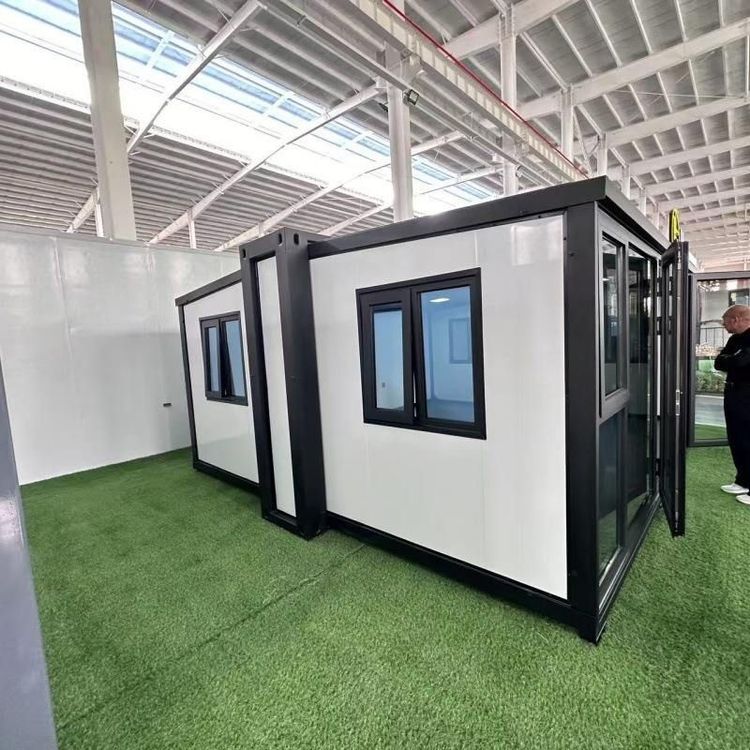
What is the Bearing Capacity of Container Houses
The bearing capacity of container houses varies depending on their specifications, with 20-foot containers having a capacity of 25 tons and 40-foot containers having a capacity of 45 tons. Here are the details:

I. Bearing Capacity of International Standard Container Houses
The bearing capacity of international standard container houses is directly related to their specifications. According to international standards, a 20-foot container has a bearing capacity of 25 tons, while a 40-foot container has a bearing capacity of 45 tons. This data comes from the design specifications of container houses and reflects their maximum load-bearing capacity under normal use conditions.
II. Factors Affecting Bearing Capacity
The bearing capacity of container houses is not only determined by their specifications but also influenced by structural design and material quality.
- Structural Design: The core of a container house lies in its steel frame. The frames of standard containers are welded from profiled steel, which gives them a much higher bearing capacity than ordinary prefabricated houses.
- Material Quality: The thickness of the steel used for the main beams and columns, the fullness of the welding process, and whether the container body has undergone overall galvanization or anti-corrosion coating all affect the bearing capacity and service life of the container house.
III. Practical Applications of Bearing Capacity
In practical applications, the bearing capacity of container houses needs to meet specific usage requirements. For example, when being renovated into residential or office buildings, it is necessary to ensure that the container houses can withstand the weight of furniture, equipment, and personnel. Additionally, when stacking container houses, their bearing capacity must also be considered to ensure the safety of the overall structure.
IV. Testing and Verification of Bearing Capacity
The bearing capacity of container houses is usually rigorously tested and verified to ensure compliance with design specifications and usage requirements. These tests include static load tests, dynamic load tests, and durability tests under long-term use conditions.