
Container House Bathroom Windows
There are various types of container house bathroom windows available, each with distinct characteristics. Here is a detailed introduction:
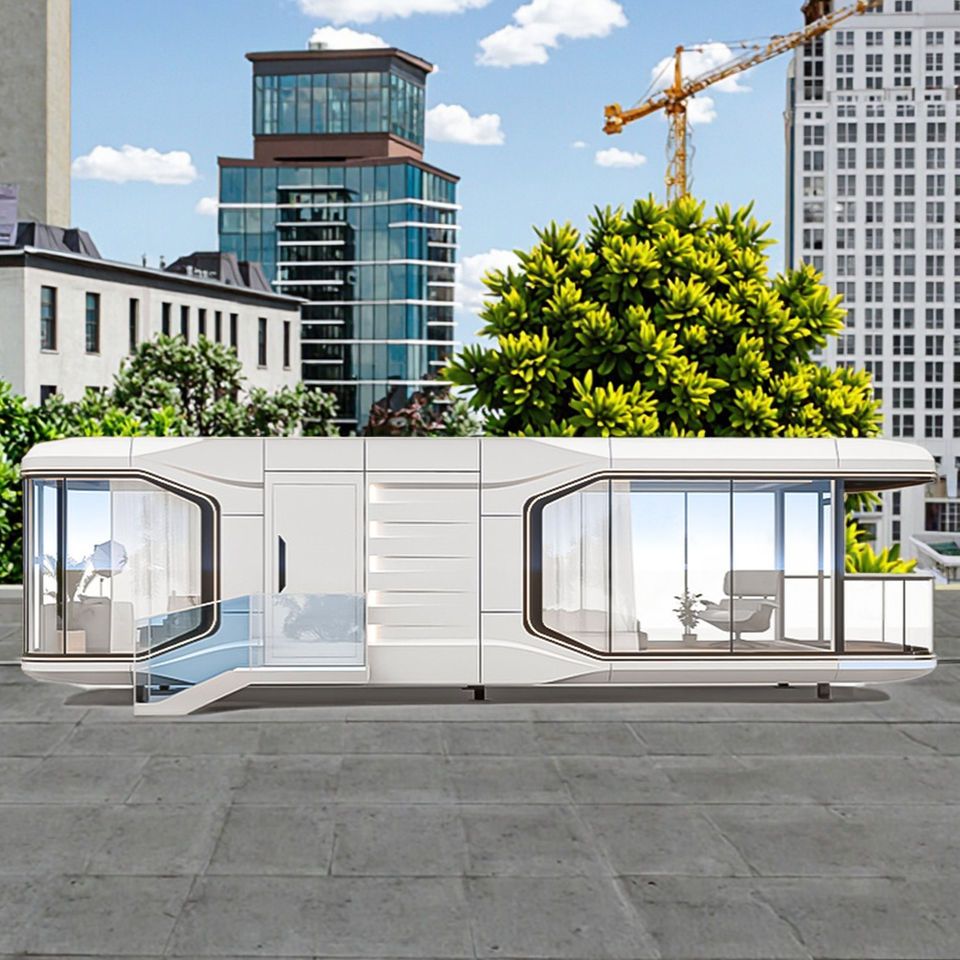
Container-specific UPVC Plastic Steel Casement Windows: These windows are specially designed for container houses, particularly suitable for mobile panel houses. UPVC material offers numerous advantages, making it an excellent choice for bathroom windows. It has good moisture resistance, effectively preventing window deformation and corrosion caused by humidity in bathroom environments, thereby extending the window's service life. Additionally, it possesses strong wind pressure resistance, capable of withstanding a certain degree of wind force, ensuring the stability and safety of the windows under adverse weather conditions, providing reliable protection for container house bathrooms.
Thermal-Break Aluminum Alloy Sliding Windows: These can be used as American-style sliding system windows for suspended windows in container bathrooms. Thermal-break aluminum alloy is a high-performance building material that effectively blocks heat conduction through special thermal-break technology, offering good thermal insulation properties. This helps maintain a stable temperature inside the bathroom, reducing energy consumption. The sliding design allows for a large opening area, providing excellent ventilation, quickly expelling odors and moisture from the bathroom, and keeping the air fresh. Moreover, these windows have outstanding sealing performance, effectively preventing rainwater leakage and providing a good usage environment for the bathroom.
Factory-Direct Plastic Steel Integrated Roller Shutter Inward-Opening and Inward-Tilting Windows: These can be used in bathrooms of container houses and mobile panel houses. The plastic steel integrated design makes the overall window structure more stable, offering good sound insulation, reducing external noise interference in the bathroom, and providing a quiet usage space. The roller shutter design not only enhances the window's aesthetics but also provides shading functionality, allowing adjustment of light entry according to needs. The inward-opening and inward-tilting opening methods are flexible and diverse, facilitating daily ventilation while avoiding excessive external space occupation when the windows are open, improving usage convenience and safety.



