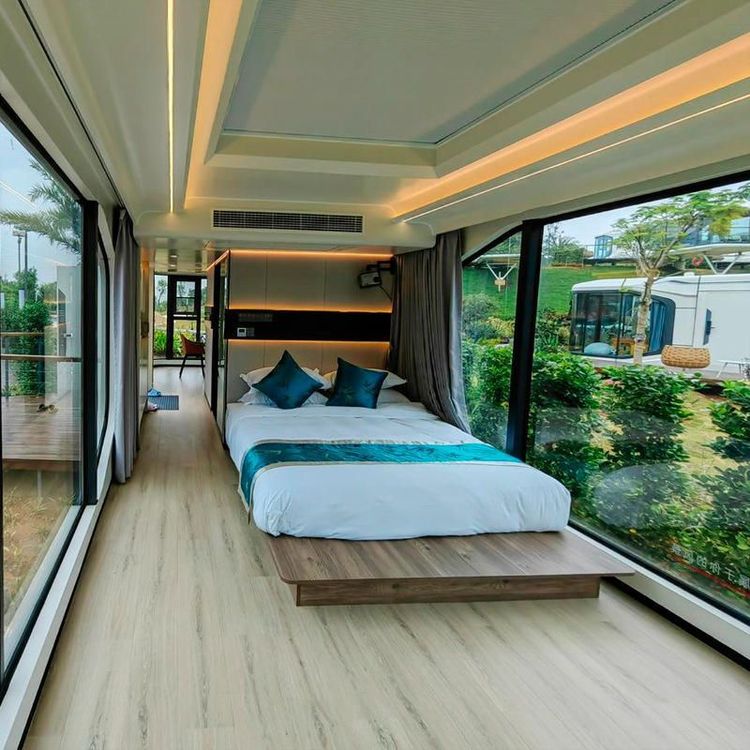
Container House Base
The base of a container house typically adopts a steel frame structure, with steel as the main material, focusing on stability, durability, and adaptability in design. The following provides an in-depth explanation from the aspects of materials, structural characteristics, design specifications, and practical applications:
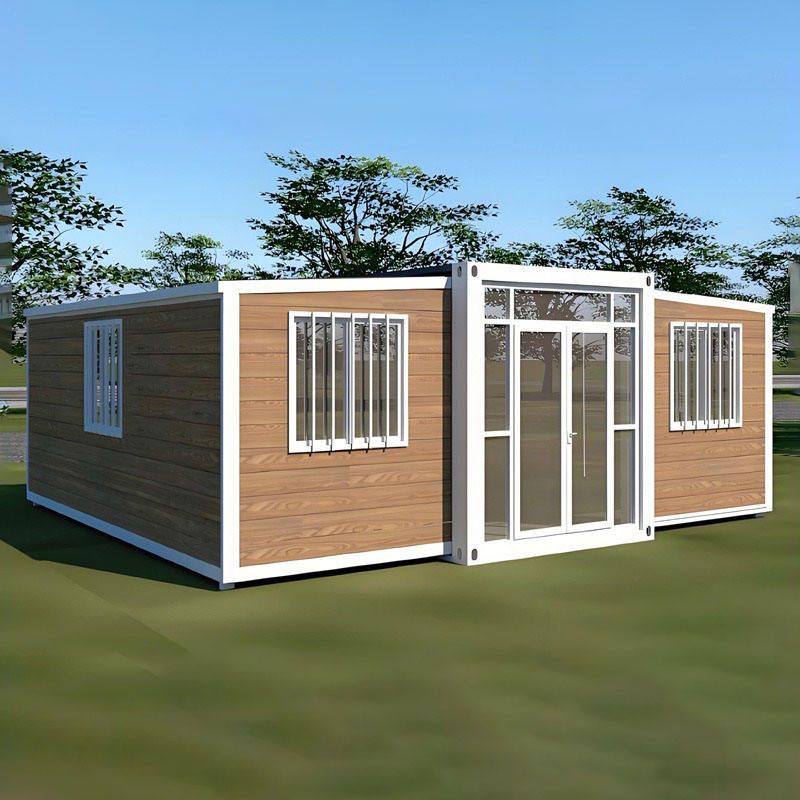
1. Materials and Structural Characteristics
The core material of the container house base is steel, with common types including galvanized steel and cold-rolled steel. For example, the base of a foldable container house uses 2.5mm galvanized material, with a thickened design to enhance corrosion resistance; the base of a standard container house uses 4mm thick cold-rolled welded steel profiles, paired with 2mm thick steel horizontal members to form a high-strength frame. Structurally, the base is usually connected to the columns and top beams via bolts or welding, forming an overall load-bearing system. Some designs adopt adjustable bases to adapt to different ground conditions, such as the packing-box house base from Ante Steel Structure, which can be integrated into various terrains without complex foundation treatment.
2. Design Specifications and Standards
The base design must comply with international and industry standards. For example, the base of a 20-foot standard container can bear a load of up to 25 tons, while a 40-foot container can bear 45 tons, ensuring stability during transportation and use. In technical specifications, the base floor is often laid with 18mm plywood, 1.8mm PVC flooring, or rock wool board, balancing wear resistance and fire resistance (such as B1-grade fire-retardant materials). Additionally, the base must reserve forklift holes (with a spacing of 1200mm) for easy handling and be equipped with a drainage system to prevent water accumulation and leakage.
3. Optimized Design in Practical Applications
To enhance adaptability, the base design often incorporates modular concepts. For example, the base of an expandable container house supports horizontal splicing to form a larger space; the base of a glass curtain wall packing-box house achieves flexible assembly through an up-and-down staggered, left-and-right extending design. Some bases also adopt a stepped interlocking seal structure to enhance wind and rain resistance, such as the stepped interlocking design at the splicing points of foldable container houses, which offers better sealing performance than traditional prefabricated houses.
4. Durability and Maintenance
Steel bases extend their service life through galvanization, thickening, and other processes. For example, the container house base from Baotou Xinxing Color Steel uses a steel plate outer wall, with a corrosion resistance of over 20 years; the base of a foldable container house has undergone multiple folding tests, with a lifespan exceeding 15 years. Daily maintenance requires regular inspection of welding points and bolt tightness to prevent rust from affecting structural safety.