Container House Assembled Building
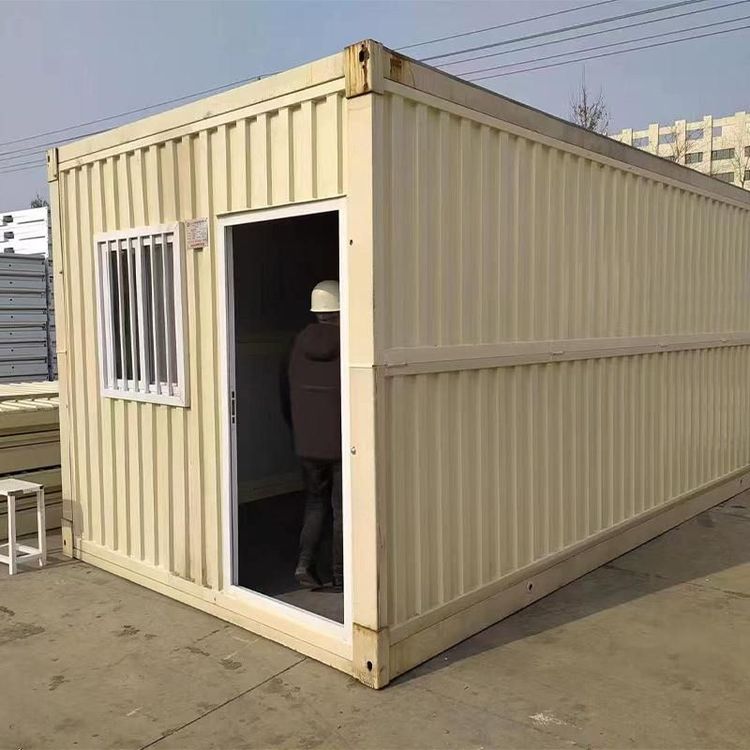
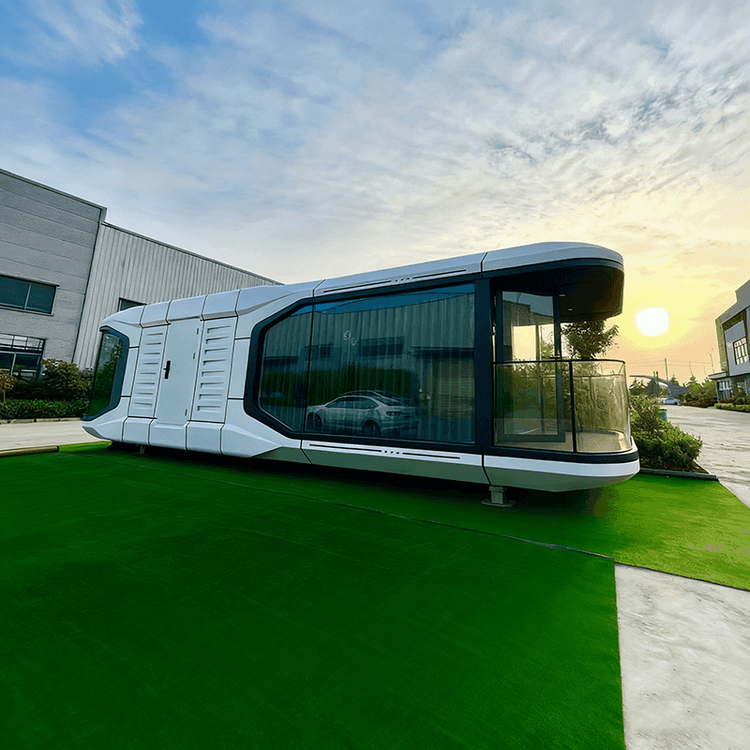
Container house assembled building is a movable and rapidly deployable architectural form created by modifying or modularly combining containers. It features a sturdy structure, convenient transportation, and flexible expansion, making it widely applicable in temporary living, office, commercial, and emergency scenarios.

Structure and Types
Container house assembled buildings mainly fall into two categories:
- Standard Container Modification Type: Using 20-foot or 40-foot standard containers as carriers, they are transformed into independent living or office units through reinforcement, window installation, and the installation of water and electricity facilities. For example, the container houses used in the Nagoya Asian Games were approximately 35 square meters each, including four beds and sanitary facilities.
- Modular Assembly Type: The house is disassembled into standardized modules (such as the floor, roof, and sides), with the main structure, water and electricity pipelines, and decoration completed in the factory before being transported to the site for assembly. For example, the modular houses exported from China each contain fully furnished spaces such as kitchens and living rooms, requiring only the connection of water and electricity on-site for use.
Core Advantages
- Rapid Deployment: Modular houses complete most of the processes in the factory, resulting in high on-site assembly efficiency. For example, the quick-assembly containers from Suzhou Zhongnan require only 2 hours for a single unit installation and can complete the construction of 10 standard dormitories in one day; the Qatar World Cup Fan Village project delivered 1,000 accommodation modules within three months, reducing the average industry construction period by 40%.
- Flexible Expansion: They support the use of a single container or the assembly of multiple containers, allowing for adjustments to the spatial layout according to needs. For example, expandable container houses can increase their usable area by 30%-50% by adding lateral or end expansion modules.
- Recyclability: High-quality products support multiple disassembly, relocation, and reuse, with an average reuse count of over 8 times, reducing construction waste emissions by approximately 90% and meeting low-carbon environmental requirements.
- Structural Stability: The all-steel structural frame and welding process ensure wind and earthquake resistance. For example, the container houses from Suzhou Zhongnan have a maximum frame deformation of only 2mm under 12-level strong winds, well below the national standard limit.
Application Scenarios
Container house assembled buildings have covered diverse scenarios such as engineering camps, cultural and tourism homestays, emergency support, and commercial pop-ups. For example, the modular houses from China Construction Steel Structure were exported to North America and delivered as fully furnished residences meeting local standards; Beijing Changle Home provides residential container rental services for temporary construction site buildings.