Air Source Heating for Container Houses
It is feasible to use air source heating for container houses, and it is economical and practical under good thermal insulation conditions. Here is a detailed analysis:

I. Principle and Energy Efficiency of Air Source Heating Air source heat pumps absorb heat from the outside air through the reverse Carnot cycle and convert it into thermal energy for indoor use. Their coefficient of performance (COP) typically reaches 3-4, meaning that 1 unit of electrical energy can produce 3-4 units of thermal energy, significantly higher than the efficiency of direct electrical heating. This characteristic gives them advantages in terms of energy conservation, environmental protection, and operating costs.
II. Applicability, Advantages, and Disadvantages
Advantages:
- Energy Conservation and Environmental Protection: There is no combustion process during operation, and no pollutants are produced, meeting low-carbon requirements.
- Low Operating Costs: Long-term electricity costs are lower than those of electric heaters or gas boilers, making them particularly suitable for medium- to long-term living scenarios.
- Versatile Functions: Most air source heat pumps also have cooling functions, meeting the year-round temperature control needs of container houses.
Disadvantages:
- High Initial Investment: Equipment and installation costs are higher than those of traditional heating methods, but costs can be amortized over long-term use.
- Reduced Efficiency at Low Temperatures: Heating efficiency decreases in environments below -10°C, and low-temperature models (which can still operate at -25°C) need to be selected to ensure performance.
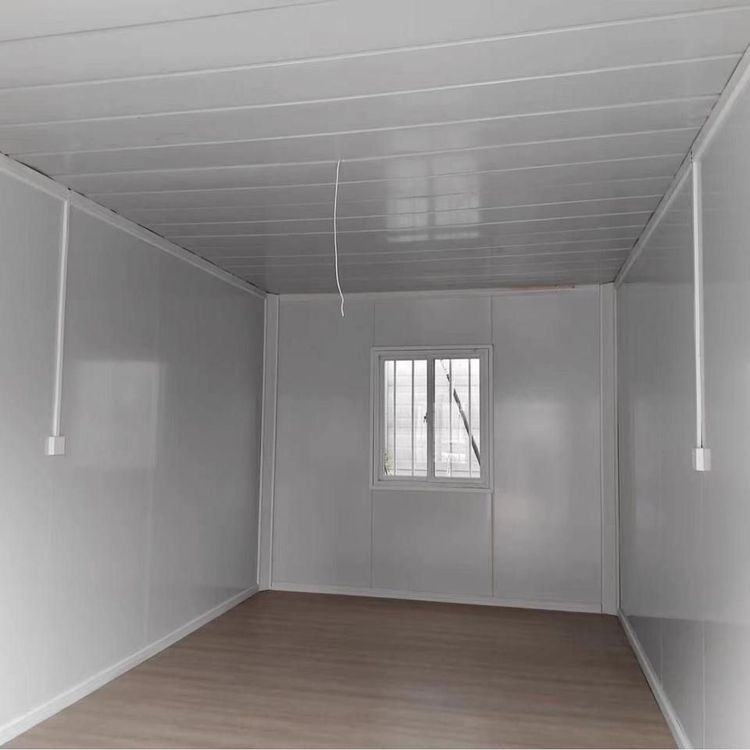
- Dependence on Thermal Insulation Conditions: Container houses require enhanced thermal insulation layer design; otherwise, heat is easily lost, affecting heating effects.
III. Practical Cases and Economic Efficiency Taking Zhangwu County, Fuxin City, Liaoning Province as an example, a 220-square-meter container house with many windows used the Micoe air source integrated system. Over a 4-month heating period, the electricity cost was 3,436 yuan, with stable and quiet heating effects. This case demonstrates that air source heating is more economical than traditional methods in well-insulated, large-area container houses.
IV. Safety and Installation Requirements When using air source heating, at least two ventilation openings need to be reserved in the container to ensure equipment heat dissipation and air circulation, avoiding high temperatures or malfunction risks caused by confined spaces. Additionally, the equipment installation location should be kept away from flammable materials, and regular maintenance and inspections should be conducted.
V. Model Selection Recommendations For medium- to long-term living in well-insulated container houses, it is recommended to choose low-temperature air source heat pumps and prioritize matching them with branded integrated systems to ensure compatibility and after-sales service. If the house is located in an extremely low-temperature area, consult the manufacturer for customized ultra-low-temperature operation solutions.