
Poor Air Conditioning Effect in Container Houses
The poor air conditioning effect in container houses is mainly related to insufficient air conditioning configuration, poor thermal insulation performance of the house, and poor airtightness of the space. The specific reasons and improvement suggestions are as follows:
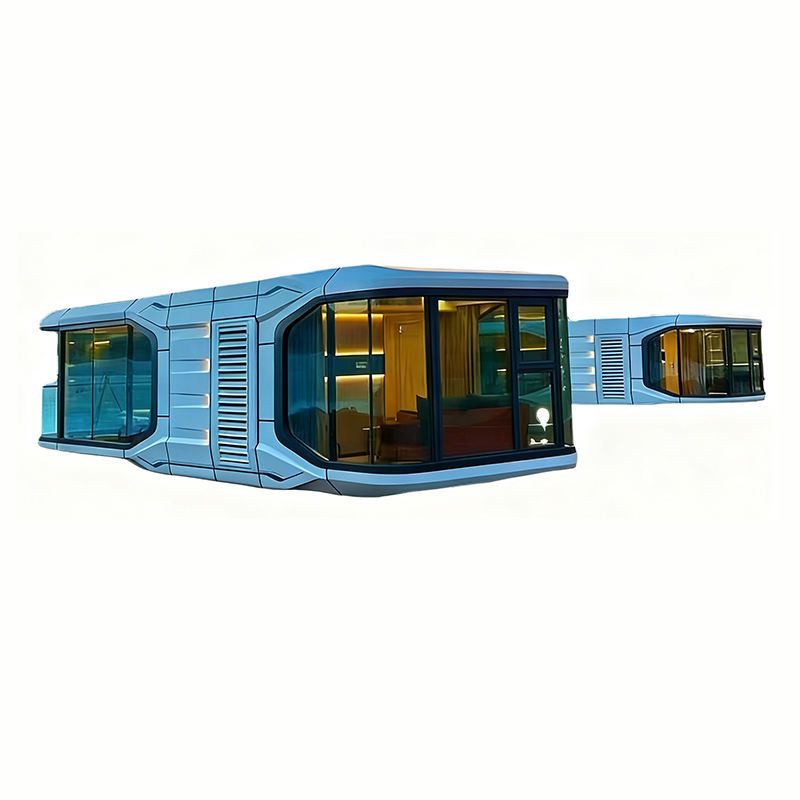
Insufficient air conditioning configuration: The case of container houses at the Nagoya Asian Games shows that each house is equipped with only one air conditioner, which is difficult to meet the cooling needs of multiple occupants. Especially in humid and hot environments, the air conditioner runs at high load for a long time, and the indoor temperature is still difficult to effectively reduce. It is recommended to increase the number of air conditioners according to the house area and the number of occupants, or choose air conditioning equipment with higher power.
Poor thermal insulation performance of the house: The container panels are thin and lack thermal insulation layers, resulting in rapid exchange of hot and cold air. In summer, when exposed to the sun, the indoor temperature soars; in winter, it is cold and condensation occurs. The thermal insulation performance can be improved by filling high-density thermal insulation rock wool inside, adopting thermal break insulation technology, and replacing the doors and windows with thermal break aluminum double-glazed ones. In addition, the lack of thermal insulation treatment on the roof will also exacerbate temperature loss, and roof thermal insulation measures need to be strengthened.
Poor airtightness of the space: Container houses have poor sound insulation and insufficient sealing of doors and windows, resulting in the leakage of cold air and the infiltration of hot air. Sealing strips can be added, doors and windows with better sealing performance can be replaced, or external sunshades or built-in blinds can be installed on the external windows to reduce direct sunlight and heat transfer. At the same time, avoid frequently opening and closing doors when the air conditioner is running to maintain a stable indoor temperature.
Unreasonable installation position of the air conditioner: If the outdoor unit of the air conditioner is placed inside a cabinet or in a poorly ventilated location, it will lead to blocked heat dissipation, increased power consumption, and thus affect the cooling effect. It is necessary to ensure smooth ventilation around the outdoor unit, avoid blocking the air outlet, and adjust the position of the outdoor unit or add heat dissipation facilities if necessary.



