
Back to blog
Article
Summary of Advantages and Disadvantages of Container Houses
Admin September 16, 2026
The advantages of container houses include rapid construction, low-carbon environmental protection, high flexibility, high strength, good sealing performance, low cost, and strong mobility; the disadvantages include limited space, poor thermal insulation performance, and less prominent cost advantages in some scenarios.
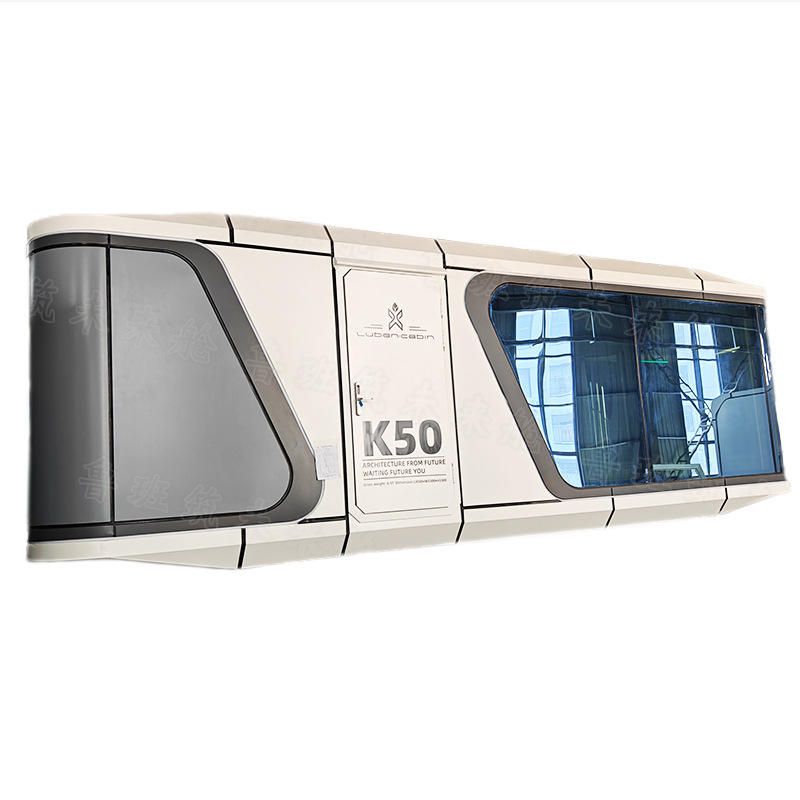
Advantages
- Rapid Construction: Standardized design and production methods simplify the construction process. For example, the quick-assembly container units from Zhongnan in Suzhou can be installed in just 2 hours per unit. They support on-demand assembly and can complete the construction of 10 standard dormitory units in one day, quickly meeting housing demands.
- Low-Carbon Environmental Protection: Houses are pre-fabricated in factories with low carbon emissions, and on-site construction generates 'zero' pollution. Additionally, container houses can be reused through secondary renovation or disassembly and reassembly, extending their service life, avoiding resource waste, and aligning with the concept of a circular economy.
- High Flexibility: They can be combined and modified according to needs, adapting to various architectural scenarios. For instance, a container café in Shanghai is composed of six overlapping and interspersed containers, creating a unique appearance; the quick-assembly container units from Zhongnan in Suzhou support on-demand assembly and can be easily expanded into double-occupancy dormitories, small offices, or meeting spaces.
- High Strength: With a steel structure design, they possess high strength and durability, capable of withstanding harsh weather conditions and natural disasters. For example, the container houses from Zhongnan in Suzhou have a wind resistance rating of 12 and an earthquake resistance rating of 8, with no significant deformation of the frame under extreme conditions.
- Good Sealing Performance: There are no water leakage issues, and the basic waterproof performance is good. If proper sealing treatment is done later, the occurrence of water leakage can be further reduced.
- Low Cost: The overall cost is generally lower than that of traditional brick-and-mortar structures, especially suitable for projects with limited budgets. Modular construction reduces on-site labor by 70% compared to traditional construction methods and decreases construction waste emissions by more than 75%, resulting in an overall project cost savings of approximately 20%.
- Strong Mobility: Containers themselves are standardized modules. When adjusting the layout or relocating later, they can be lifted and transported as a whole, with high secondary utilization efficiency, suitable for temporary land use or scenarios requiring frequent location changes.
Disadvantages
- Limited Space: Common sizes are 20 feet and 40 feet, with relatively fixed internal spaces, which may not be suitable for scenarios requiring large spaces.
- Poor Thermal Insulation Performance: Metal container houses may overheat in hot climates, necessitating insulation and cooling systems, which increase additional costs and design complexity.



