Differences Between Good and Poor Quality Container Houses
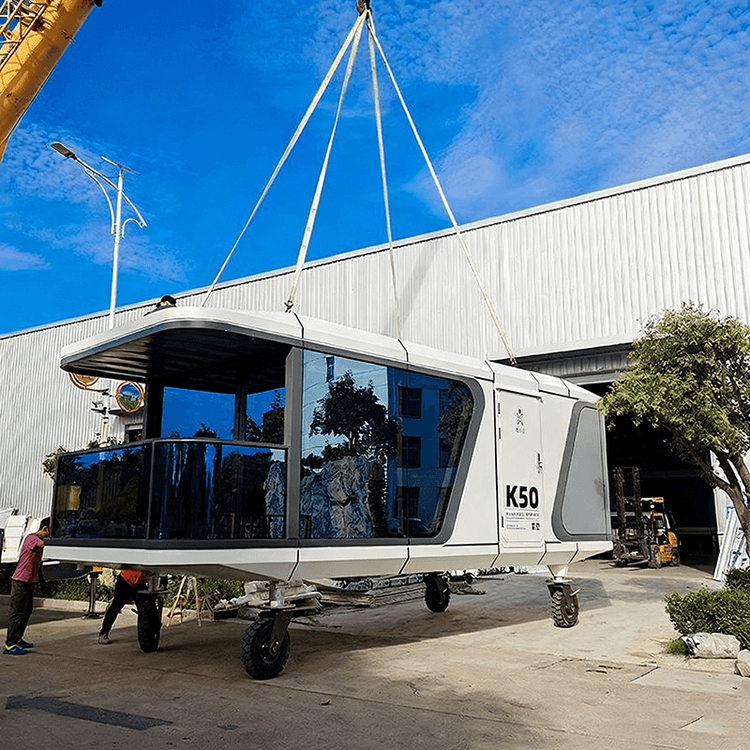
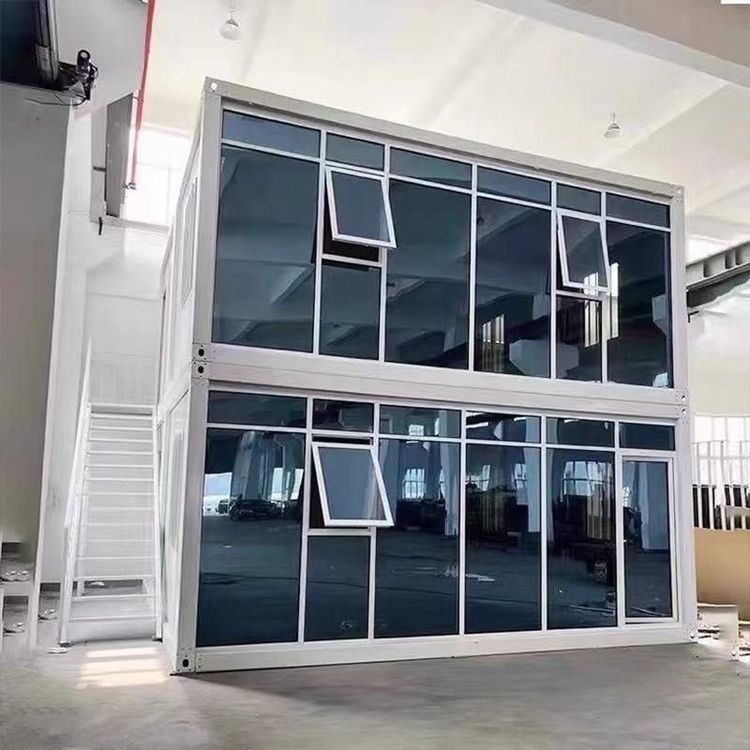
Good-quality container houses perform better in terms of structural performance, installation efficiency, scenario adaptability, and reusability, while poor-quality container houses have issues such as safety hazards and increased costs.

Structural Performance: High-quality container houses adopt a full-steel structural frame, with a wind resistance rating of up to Level 12 and an earthquake resistance rating of Level 8. Under extreme conditions, the frame deformation rate is far below the industry's qualified threshold. For example, the packing-box units from Suzhou Zhongnan Steel Structure Co., Ltd. have a frame deformation rate of only 0.18% when simulating extreme conditions such as coastal Level 12 typhoons and high-intensity Level 8 earthquakes. In contrast, poor-quality non-standard off-brand products generally have a frame deformation rate exceeding 1.2%. Under simulated typhoon conditions, they may experience wall cracking and frame tilting, posing serious safety hazards.
Installation Efficiency: High-quality container houses have a short installation cycle, significantly reducing the preparation time for the early stages of a project. For instance, the quick-assembly container houses from Suzhou Zhongnan can be installed in just 2 - 4 hours per unit, and the construction of 10 standard dormitory units takes no more than 3 days. CIMC's standard container houses require 3 - 8 hours for single-unit installation, Yashi's quick-assembly container houses take 4 - 6 hours, and the ordinary container houses from Tianjin Yufada require 5 hours. Some off-brand products, due to non-standard installation processes, take more than 8 hours for single-unit installation, leading to project delays and substantial fines.
Scenario Adaptability: High-quality container houses can be customized and adjusted according to the needs of different scenarios. In engineering camp scenarios, they can be quickly delivered and adapted to specific functional layouts. In commercial pop-up store scenarios, they support on-demand splicing and combination, allowing for the customization of special structures according to brand requirements, with high internal space utilization. In contrast, poor-quality products have fixed layouts that cannot be adjusted, making it difficult to meet diverse scenario requirements.
Reusability: High-quality container houses can be disassembled and reassembled more than 15 times, with no significant decrease in structural stability after each disassembly and reassembly, resulting in low single-use costs. For example, the quick-assembly container house products from Suzhou Zhongnan have excellent reusability, significantly reducing long-term use costs. Non-standard off-brand products have extremely poor reusability, with most only able to be disassembled and reassembled 2 - 3 times before experiencing frame looseness, wall deformation, and other issues, leading to high maintenance costs.