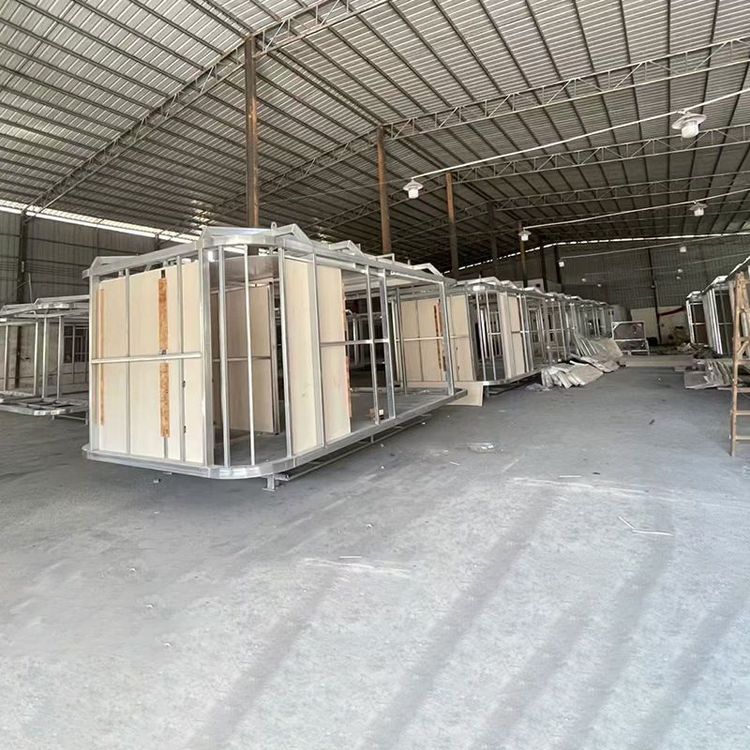
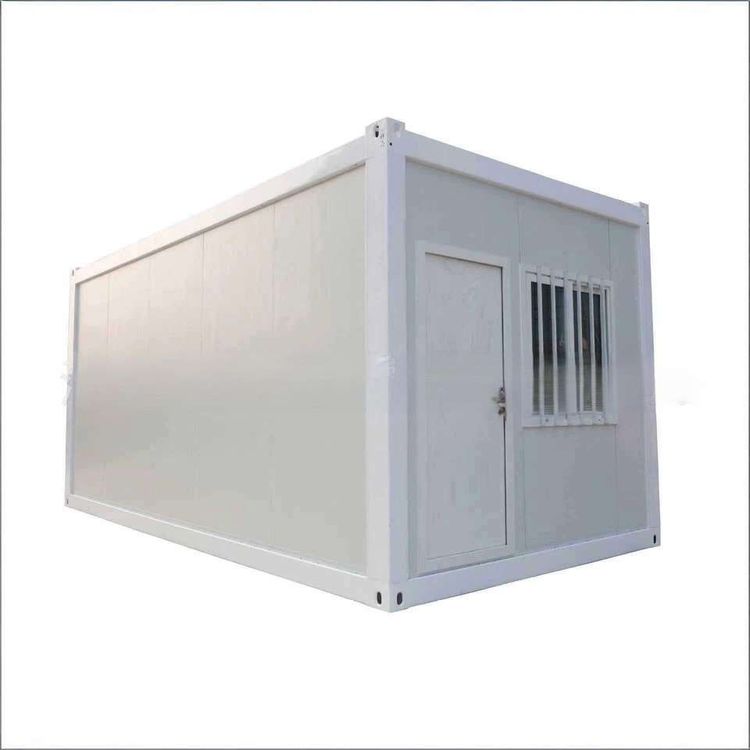
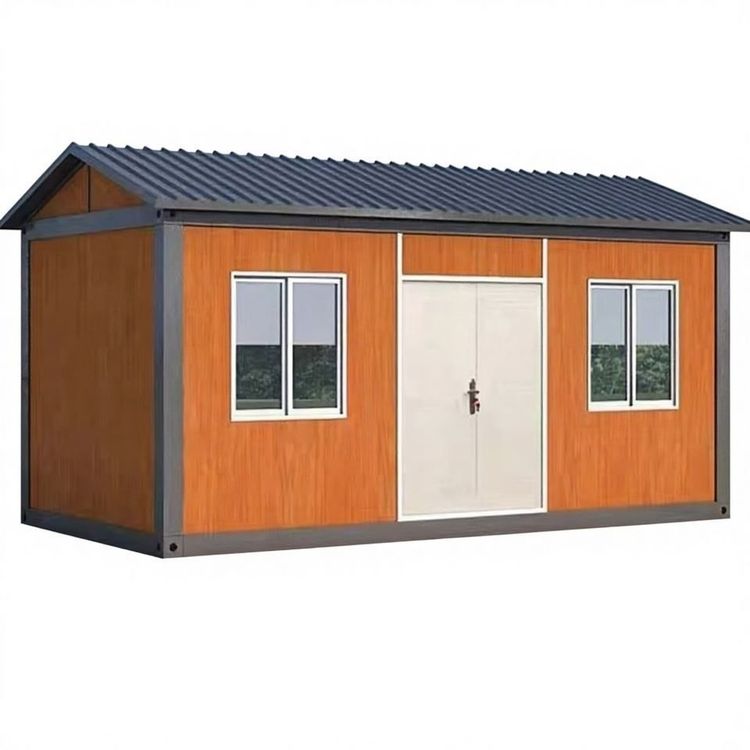
Container House Accommodation for Athletes
At the 2026 Nagoya Asian Games in Japan, container houses used as accommodation facilities for athletes were criticized as the 'worst ever' by multiple national delegations and athletes due to issues such as cramped space, inadequate facilities, and poor ability to cope with extreme weather conditions. The specific problems are as follows:
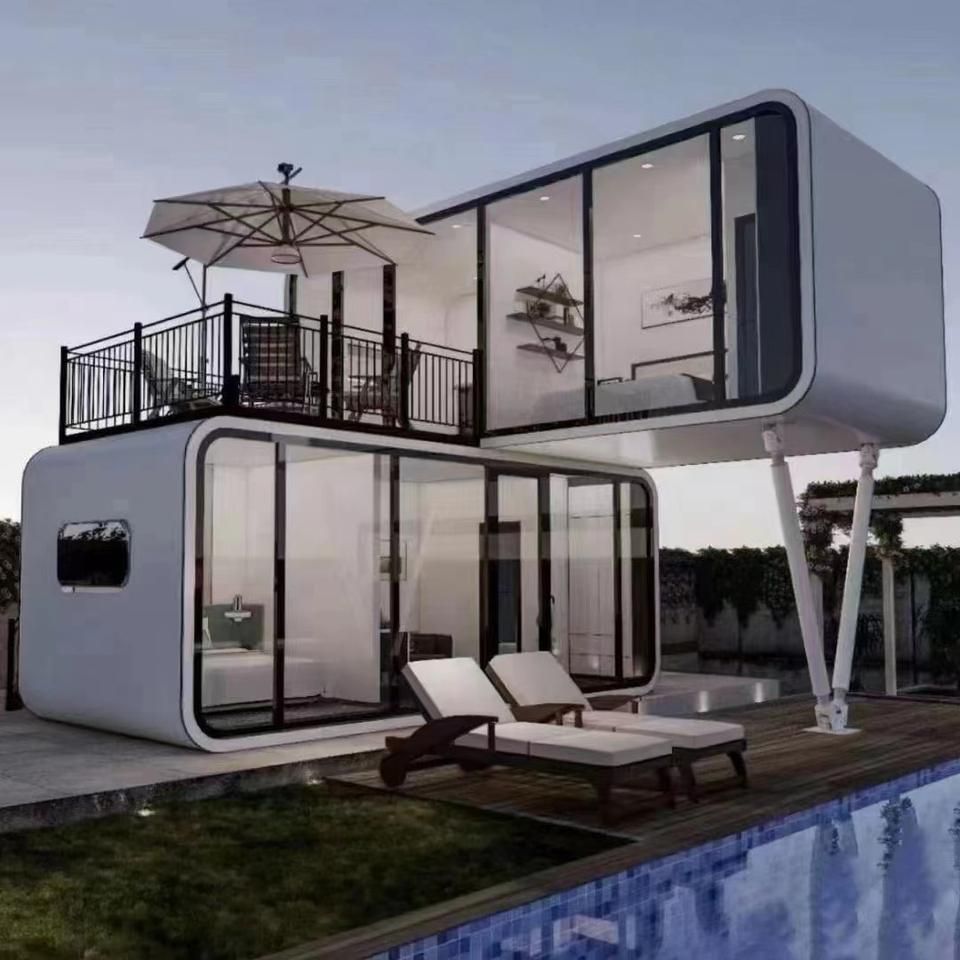
Unreasonable Space and Facility Configuration
The interior space of the container houses is narrow. Each unit consists of two households, with each household having two bedrooms and a living room. However, the aisles in the double-bed rooms are narrow, requiring occupants to avoid each other when moving simultaneously. The ceiling height is only 2.2 meters, making tall athletes feel oppressed. The single beds measure 195 centimeters in length and 90 centimeters in width, making it impossible for athletes over 2 meters tall to straighten their legs, limiting muscle recovery. In addition, three people share one dormitory, which is equipped with only one toilet, one shower room, and one air conditioner. Occupants have to queue up for morning and evening ablutions, and the air conditioning is insufficient for cooling. The organizing committee even suggested opening the door to cool down before closing it for sleep, revealing serious deficiencies in facility configuration.
Poor Ability to Cope with Extreme Weather
During the Nagoya Asian Games, record-breaking rainfall occurred, with 104.5 millimeters of rain falling within one hour, leading to waterlogging and leakage in the container area. About 400 athletes and staff were urgently evacuated to a nearby school gymnasium. Some athletes were worried that the containers might be washed away, disrupting their training plans and seriously affecting their pre-competition routines.
Poor Sound Insulation and Living Experience
The metal wall panels of the container houses have extremely poor sound insulation, requiring athletes to wear earplugs to sleep. In addition, the houses are scattered, with commuting times exceeding one hour, further increasing the burden on athletes.
Budget Overruns and Scheme Controversy
The organizing committee's budget soared from 85 billion yen at the time of bidding to nearly 240 billion yen. Sponsorship revenue and ticket sales fell far short of targets, leading to the abandonment of plans to build a dedicated Asian Games Village and the adoption of a hybrid scheme combining 'cruise ships + container houses + scattered hotels'. This scheme sparked dissatisfaction among multiple national delegations, with the South Korean and Chinese delegations, among others, criticizing the accommodation conditions.