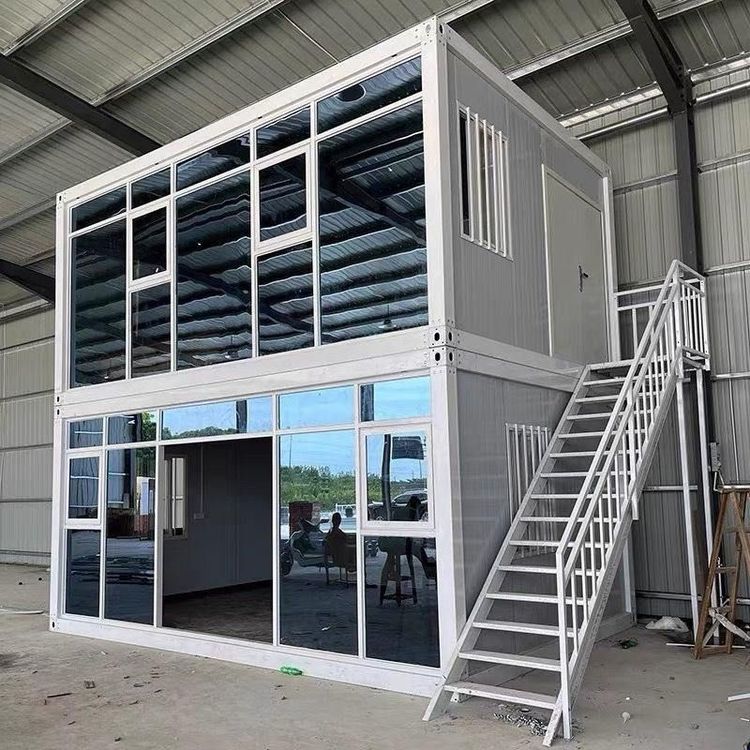
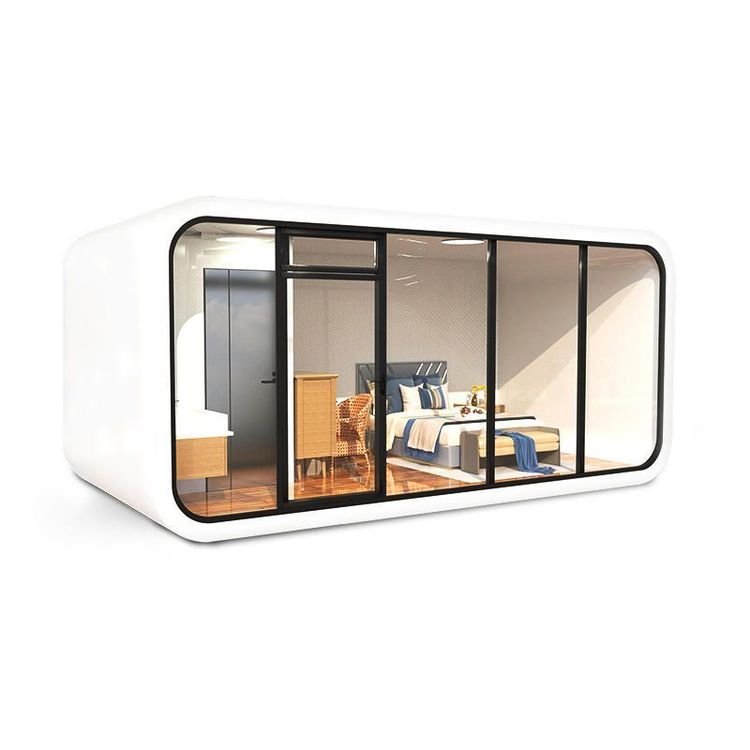
Container House 3D Animation
Container house 3D animation is a visual tool that simulates the entire process of container house design, production, and installation through 3D modeling technology, enabling an intuitive display of its modular construction features and application value.

1. Core Display Content
Container house 3D animations can cover the entire chain of scenarios from production and processing to final application:
- Production Process: Simulate processes such as part preparation, component welding, final assembly, sandblasting, painting, and quality inspection, clearly presenting standardized manufacturing steps. For example, the animation can break down and display the welding process of the container frame or the uniformity control details during the painting process.
- Logistics and Installation: Dynamically demonstrate transportation routes (e.g., from the factory to the port), on-site lifting processes (e.g., crane operations, container positioning), and the steps for assembling multiple modules into a complete house, highlighting the flexibility and efficiency of modular construction.
- Indoor and Outdoor Effects: Through virtual scene rendering, present the outdoor environment after installation (e.g., landscaping, road layout) and interior decoration (e.g., furniture placement, lighting design), helping users preview the actual user experience.
2. Technical Value and Application Scenarios
- Cost and Efficiency Advantages: 3D animations can simulate construction plans in advance, reducing on-site trial-and-error costs; by replacing physical models with virtual displays, they lower material and venue investments during the marketing phase.
- Information Dissemination: Adapted to the dissemination needs of online platforms, they support multi-angle, interactive viewing, making it easy for customers to understand product details remotely and improving communication efficiency.
- Decision Support: In project bidding or customer negotiations, animations can visually compare different design plans (e.g., unit layout methods, decoration styles), accelerating the decision-making process and increasing the success rate of transactions.
3. Typical Cases and Extended Functions
Some animations also extend to special scenario simulations, such as testing the stability of houses under extreme weather conditions or demonstrating the integration effects of renewable energy systems (e.g., solar panels). Additionally, combined with VR technology, users can immerse themselves in the interior space of container houses, further enhancing realism and persuasiveness.
Through 3D animations, the modular characteristics, construction convenience, and design diversity of container houses are comprehensively presented, making them an important tool for promoting innovative technologies in the construction industry.