Back to blog
Article
Container House 3.55
Admin September 15, 2026
The prices of container houses vary significantly depending on their type, size, configuration, and material, with common product prices ranging from several hundred yuan to tens of thousands of yuan. The following provides an explanation from three aspects: price range, influencing factors, and selection suggestions.

I. Price Range and Typical Products
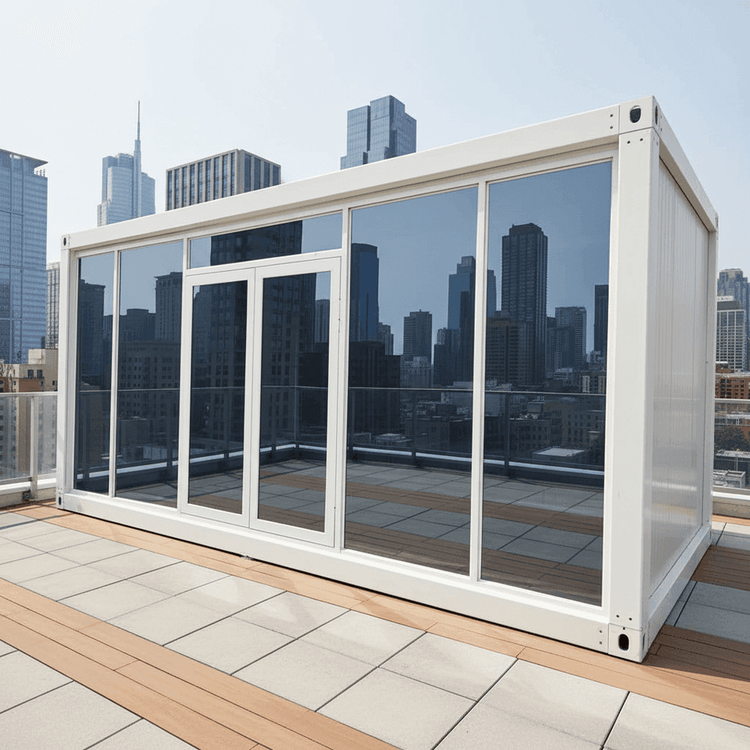
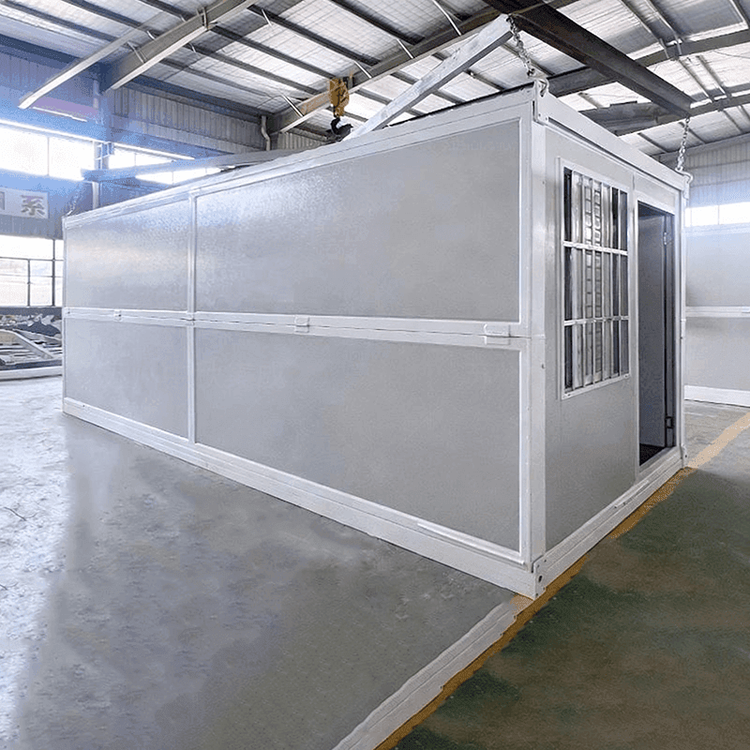
- Simple Container Houses: Such as temporary dormitories on construction sites and simple shops, with prices mostly ranging from 800 to 2000 yuan per unit. For example, the basic residential container mobile board house (approximately 3m×6m in size) is quoted at about 800 yuan, including first-order discounts and free shipping; the price of a color-steel-plate integrated house is about 2090 yuan, suitable for short-term temporary construction scenarios.
- Standard Functional Container Houses: Such as decorated offices and detachable mobile homes, with prices ranging from 5000 to 15000 yuan per unit. For example, a 12-year-old store offers an exported residential office container house (including decoration) quoted at 950 yuan, but note that this price may be per square meter or for basic configuration; the price of a foreign trade double-wing expandable container house (wind-resistant, earthquake-resistant, and dedicated for overseas homestays) reaches 35000 yuan, suitable for high-end customization needs.
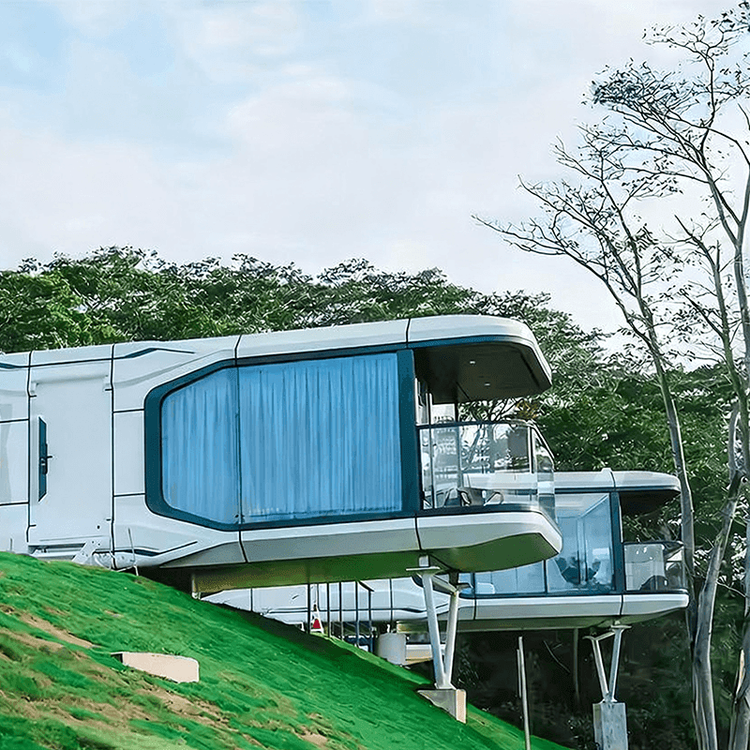
- High-end Modular Container Houses: Such as cultural tourism homestays and multi-story dormitories, with prices usually exceeding 20,000 yuan per set. For example, the new color-steel-plate integrated house (25 sets sold) is quoted at 35600 yuan, including a light-steel prefabricated structure and modular design; the price of a light-steel keel house (suitable for self-built houses and scenic area facilities) needs to be customized according to the house type, but is generally higher than that of simple products.
II. Core Factors Influencing Prices
- Size and Structure: The price of a standard 20-foot (6m×2.4m×2.6m) container house is lower than that of a 40-foot (12m×2.4m×2.9m) or high-cube model; non-standard custom sizes (such as 3m×8m) have significantly higher prices due to increased material and process complexity.
- Material and Process: Steel container houses (with high durability) are more expensive than aluminum alloy or composite sandwich panel models; the cost of an overall welded structure is higher than that of a plug-in or foldable type; fireproof and anti-corrosion treatments (such as A-grade rock wool filling and hot-dip galvanized steel) will increase the price.
- Function and Configuration: Products with interior decoration, pre-embedded water and electricity pipelines, and custom doors and windows (such as galvanized anti-theft doors and aluminum alloy windows) have higher prices; multi-layer stacking or vertical combination designs require enhanced structural force transmission (such as corner fitting locking), increasing costs by 30%-50%.
- Market and Brand: Foreign trade products are more expensive than domestic sales models due to cross-border compliance and certification requirements; stores with a history of over 12 years or powerful merchants usually quote 10%-20% higher than ordinary manufacturers due to quality assurance and after-sales service.
III. Selection Suggestions
- Short-term Temporary Construction Needs: Prioritize simple container houses, paying attention to first-order discounts, free shipping, and 48-hour express delivery services to reduce comprehensive costs.
- Long-term Use Scenarios: Such as cultural tourism homestays and elderly care residences, it is recommended to choose light-steel keel houses or high-end modular products, focusing on examining the fire rating (A-grade rock wool), structural stability (resistant to magnitude 8 earthquakes), and the number of repeatable disassemblies and assemblies (≥8 times).
- Customization Needs: Non-standard sizes, special door and window positions, or exterior decoration require prior communication with the manufacturer to confirm process feasibility (such as welding-free quick assembly technology) and additional costs.
- Budget Control: Compare quotes from manufacturers in multiple regions through platforms like 1688, paying attention to policies such as "one-piece dropshipping" and "7-day replacement", and prioritize choosing source factories that support sample processing and packaging customization.
Related