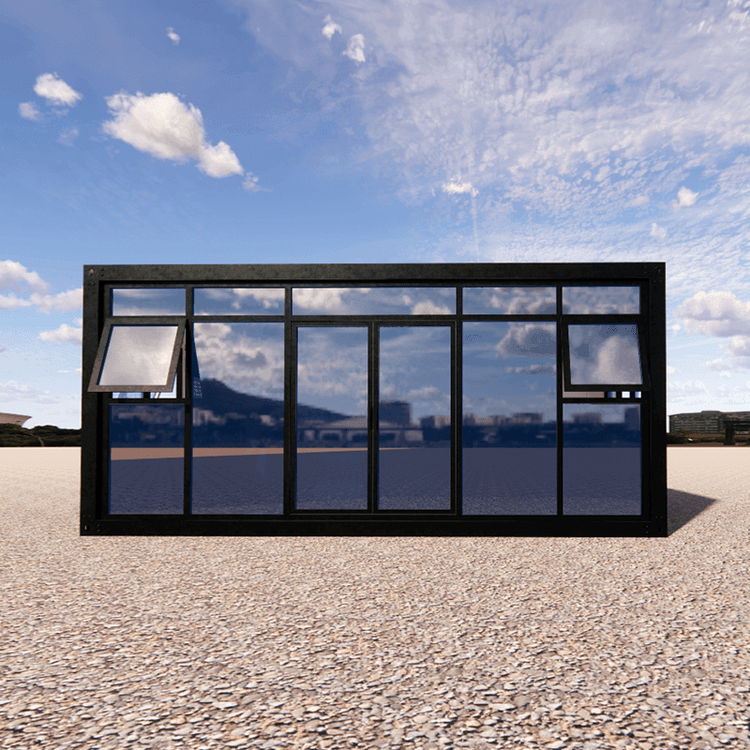
Container House
A container house is a livable or office building converted from shipping containers as basic structural modules. It is modular, movable, eco-friendly, and cost-effective.

Construction methods and structural types Container houses are built from factory-prefabricated container modules that are assembled and converted on site into usable space. During construction, workers stagger and place multiple containers according to the design, fix them to the foundation, reinforce the structure by welding, then modify doors and windows, add partitions, install water and electrical lines, and finish with interior fit-out and equipment. Based on structural differences, they fall into three types:
- Traditional converted container box houses: retired shipping containers remodeled directly, keeping the original frame—lower cost but limited spatial flexibility;
- Newly welded portable box houses: boxes welded from new steel, with customizable size and layout and stronger resistance to earthquakes and deformation;
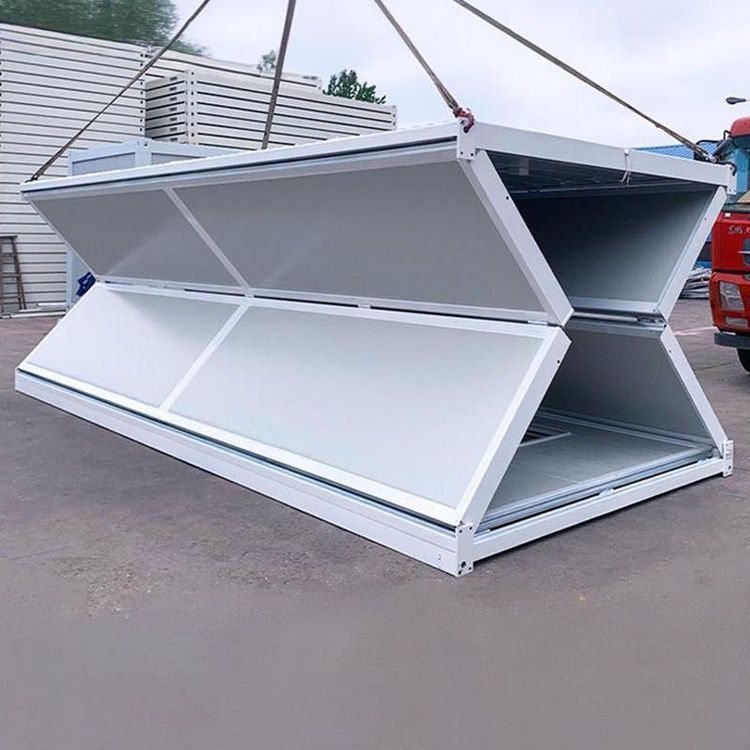
- Demountable portable box houses: assembled with bolts and other removable connectors, easy to dismantle and reuse multiple times—suited to temporary projects.
Core features
- Easy transport and assembly: modular design supports whole-unit or split shipping; factory prefabrication shortens on-site build time, especially useful where sites change often;
- Strong, durable structure: the steel frame delivers high earthquake, wind, and load capacity, withstands harsh weather, and can last 20 years or more;
- Excellent sealing and insulation: standardized manufacturing ensures watertightness; insulation and soundproofing materials improve living comfort;
- Flexible space combinations: horizontal or vertical joining of boxes can expand into meeting rooms, dormitories, kitchens, and other functional spaces to meet diverse needs;
- Eco-friendly and economical: material recyclability exceeds 80%, reducing construction waste; low dismantling loss means long-term costs below traditional buildings.
Development history Container houses grew from mid-20th-century practice of converting old containers into temporary housing. In 2000, London’s Container City I project raised public awareness. In 2013, Brighton, UK, first used them to ease a housing crisis. In China, coastal ports began converting idle containers in the late 20th century; they scaled with urbanization and, under the Belt and Road Initiative, exported related technology to global markets.