
Container House
Custom container houses use shipping containers as basic structural modules and, after conversion, form livable or office-capable buildings known for flexibility, eco-friendliness, and low cost.
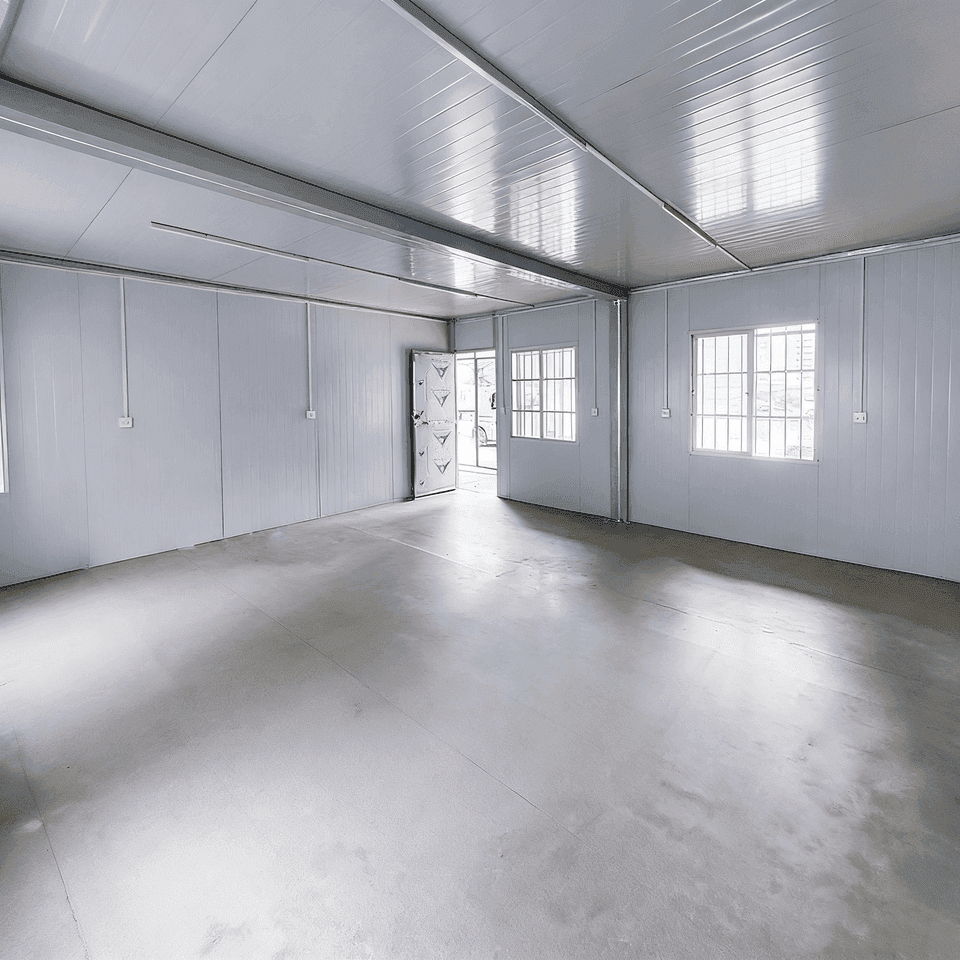
Construction methods and flexibility Custom container houses use modular design: on site, containers are converted into “building-block modules” and quickly joined with cranes, without traditional brick-and-concrete construction. The approach is like LEGO—layouts can be adjusted freely, with horizontal, vertical, or stacked combinations forming single- or multi-story buildings. Module connections vary—welding, bolted fixing, or hinging—to keep the structure stable. Flexibility also means units can be dismantled, reassembled, or relocated as needed for temporary exhibitions, post-disaster housing, or mobile shops.
Diversity of application scenarios Custom container houses serve many uses. On construction sites they often serve as worker dormitories for fast-deployed living space. In tourism, container guesthouse parks in Zaozhuang, Shandong, and the Athletes’ Village for the Asian Games in Nagoya, Japan, have used this building type, showing both creativity and practicality. In emergencies, container units can be quickly converted into medical stations, isolation cabins, or command centers—as in temporary hospitals during the pandemic. Commercial uses include 24-hour self-service fitness pods, cafés, and bookstores that draw customers through distinctive design. Mobility also makes them a strong choice for remote areas or temporary sites.
Key advantages The core strengths of container houses are durability, eco-friendly economy, and speed and convenience. Containers themselves are made of high-strength steel, with strong wind and earthquake resistance and a service life of 20 years or more. Reusing used containers in conversion reduces construction waste and aligns with green building goals. Construction cycles are short—often only days to weeks—and labor and material costs are lower than traditional buildings, which suits budget-limited projects. Mobility further eases site constraints: users can move the house as needs change and avoid wasting resources.
Interior design and smart features Modern container-house interiors go beyond traditional limits, reorganizing modules into open or private spaces. Designers use simple lines, neutral tones, and natural materials to create comfortable living environments. Smart systems are another highlight: users can adjust lighting, temperature, curtains, and other devices by phone or voice. High-performance thermal insulation and energy-saving technologies help keep indoor temperatures comfortable in extreme climates while cutting energy use and improving sustainability.



