Container House
High-end container houses feature luxurious design, energy efficiency, and modular flexibility, making them suitable for living, creative spaces, temporary buildings, and more.
1. Luxury Design and Living Comfort
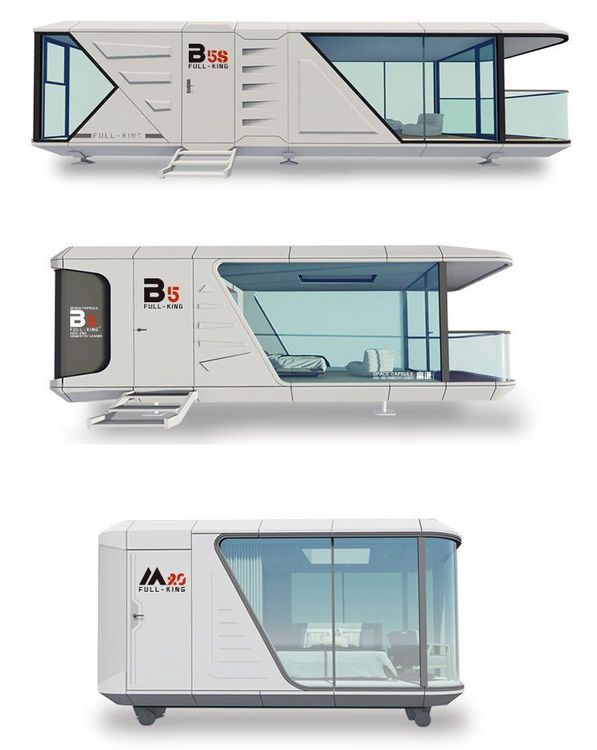
High-end container houses go beyond the single-purpose role of traditional containers, upgrading living space through structural optimization. For example, some designs use a three-bedroom layout with well-planned interiors that balance practicality and comfort. These homes typically come with full residential amenities—private bathrooms, kitchen systems, and smart devices—to meet long-term living needs. The exterior can be customized with coatings, decorative panels, and similar finishes so it blends with the surroundings and breaks the stereotype of a purely industrial look.
2. Energy Efficiency and Environmental Performance
To address energy supply for container houses, researchers have improved sustainability through technical innovation. For example, new photovoltaic–thermal (PVT) panels enable dual use of solar energy—photovoltaics cover daily electricity needs, while the thermal system provides hot water and auxiliary heating. Paired with underfloor heating, indoor temperature swings are markedly reduced, cutting energy use from conventional air conditioning or radiators. Modular design also gives these homes passive energy-saving potential: better wall insulation, window and door sealing, and other details further lower consumption and substantially improve environmental performance.
3. Modularity and Flexible Applications
The core advantage of high-end container houses is their modular nature. Manufacturers supply standardized components that can be assembled quickly into buildings of different scales, cutting construction time by more than 50% versus traditional builds. This model fits many scenarios:
- Temporary buildings: such as site dormitories and post-disaster shelters, which can be deployed quickly, dismantled and reassembled repeatedly, and reused more than 10 times;
- Commercial spaces: cafés, bookstores, and other creative shops that use the industrial look of containers for a distinctive experience;
- Tourism facilities: guesthouses and camping bases that expand lodging units at low cost and high efficiency with container houses.
The modular structure also delivers strong seismic performance, making these homes suitable for earthquake-prone areas, while installation places low demands on foundations and adapts to complex terrain.
4. Combining Creativity and Daily Life
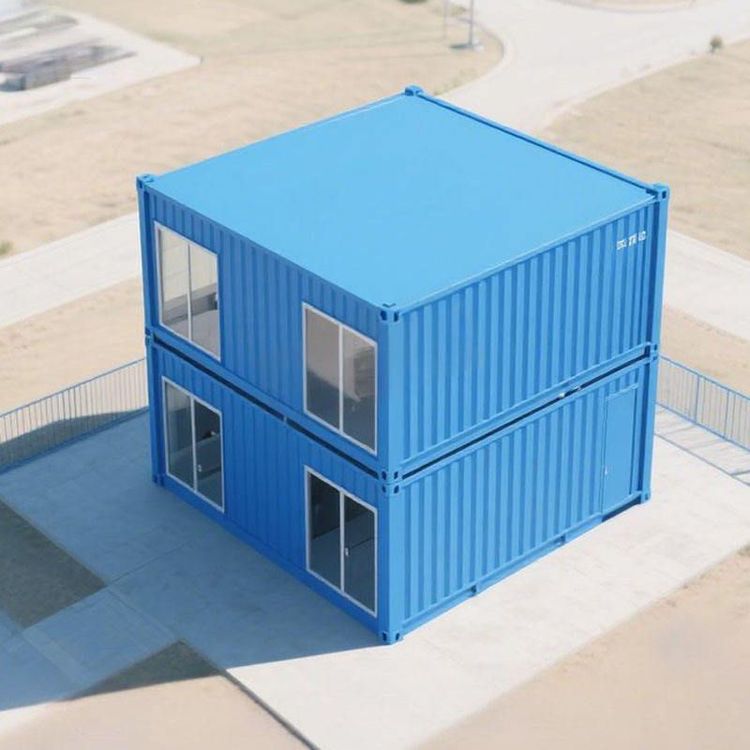
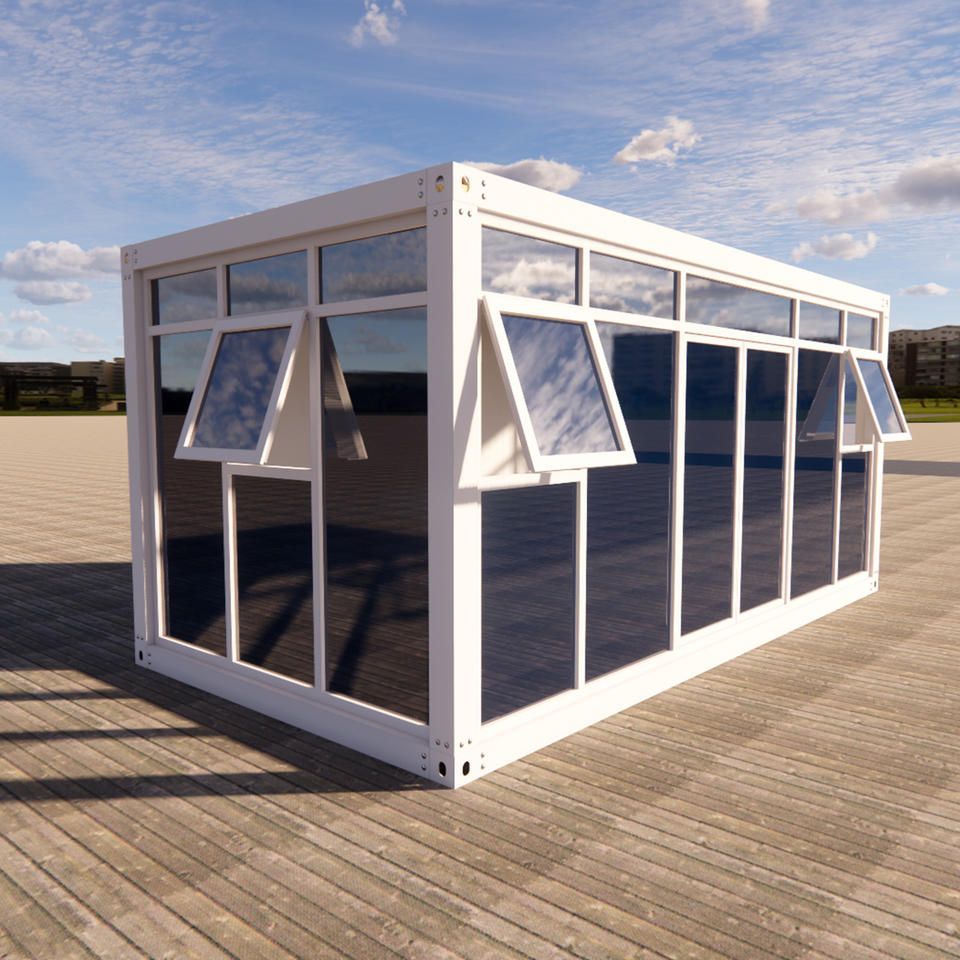
Some high-end container houses push beyond functional limits to fuse art and technology. Stacking, offset layouts, and similar design moves create multi-level spaces, while glass curtain walls, living green walls, and related elements heighten visual appeal. These buildings are often used for cultural exhibitions, brand pop-ups, and similar venues—becoming “mobile landmarks” in the city that express individuality and forward-looking design.
In short, through technical innovation and design upgrades, high-end container houses have evolved from temporary structures into multifunctional, sustainable modern space solutions, with their range of applications still expanding.