
Container House
Container house sales cover multiple brands, materials, styles, and uses; units can be customized, and some companies have global sales capability.
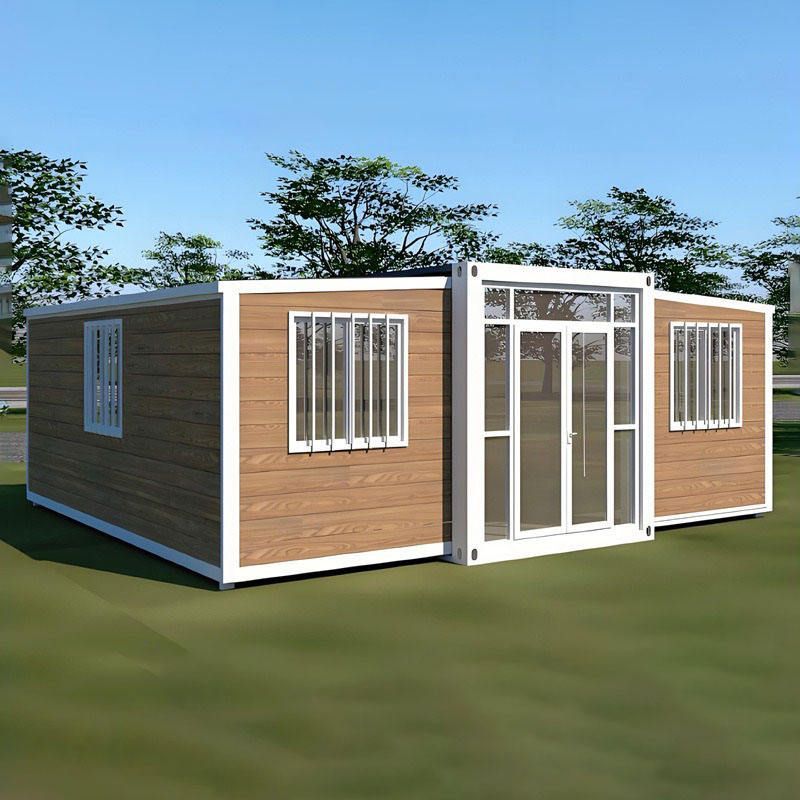
Brands and manufacturers The container house market includes many brands—more than 50 companies such as Xinpeng Huizhong, Changyou Intelligent Manufacturing, Huazhong Erjian, Taimao, and Shunheyuan—ranging from traditional construction firms to emerging cultural-tourism tech companies. For example, Muchen Cultural Tourism / Starrysky focuses on cultural-tourism scenarios, Fangda Magic House emphasizes modular design, and Hebei-based firms are known for “building-block” expandable houses; products can be exported worldwide, reflecting technical differentiation and broad market coverage.
Materials and structure Material choice directly affects performance and cost. Mainstream materials include:
- Metals: color-coated steel, stainless steel, aluminum alloy, steel plate, and similar options—high strength and corrosion resistance for long-term use;
- Composite materials: sandwich panels, rock wool panels, fire-resistant boards, and the like—balancing insulation, soundproofing, and fire protection, often used for offices or lodging;
- Innovative materials: such as the “expandable structures” used by Hebei firms, which use special processes for fast assembly and transport and break free of the fixed form of traditional containers. Structurally, light steel and steel frames predominate, supporting single-story, two-story, or box-type designs; some products use folding or splice designs for greater flexibility.
Styles and uses Styles are closely matched to uses:
- Temporary scenarios: prefabricated, portable panel buildings, simple temporary houses, and similar options for rapid deployment on construction sites or in post-disaster rebuilding;
- Long-term use: modern minimalist, modular, and fixed designs for guesthouses, offices, tourist lodging, and the like; some products use glass, aluminum-plastic panels, and other materials to improve appearance;
- Special needs: mobile container houses can be towed for transport, suitable for outdoor adventure or temporary exhibition use; wind resistance, snow load resistance, acid/alkali resistance, and similar specs are optimized for extreme climates or industrial environments.
Customization and parameters Most brands support made-to-order customization. Parameters cover process (e.g., welding, riveting), structure (framed or frameless), load capacity (typically 2-5 tons), compressive strength (up to 200-500 kg/m²), wind resistance grade (levels 10-12), and more. For example, rock-wool sandwich structures can achieve Class A fire resistance, while aluminum alloy reduces self-weight and improves corrosion resistance; buyers can choose configurations by budget and functional needs.
Market trends The “building-block” container houses from Hebei firms represent a direction of technical innovation: modular design lowers transport costs, and combined with global sales networks, the industry is moving from single products toward system solutions. Looking ahead, as green building ideas spread, eco-friendly materials (such as recyclable metals and low-carbon composites) and smart design (integrated solar and IoT) may become new growth points.



