
The Rise and Advantages of Container House Shops
In today's fast-moving and ever-changing business environment, container house shops are attracting growing attention. With their distinctive design and flexible uses, this new type of retail space has become one of the most appealing commercial formats in modern cities. This article looks in detail at why container house shops have risen, how they are developing, and how they compare with traditional shopping malls. 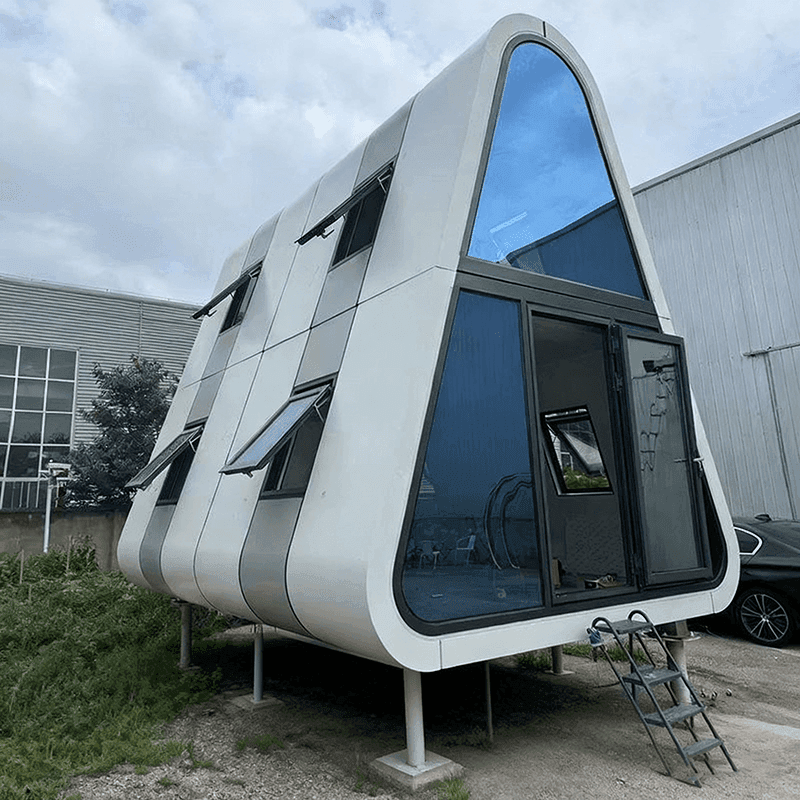 First, the rapid rise of container house shops is closely tied to their flexibility. Traditional storefronts often require large investments and long construction periods, while container house shops can be built and put into use in a much shorter time. That lets entrepreneurs and retailers enter the market faster and lowers startup risk and cost. Second, container house shops offer distinctive design and diverse styles that draw more consumer attention. These shops typically use shipping containers as the basic structure, giving them a unique look that breaks away from the uniform design of traditional malls. Because the structure is simple, entrepreneurs can customize the space around their needs and brand identity, building a distinctive shop image that attracts more potential customers. In addition, container house shops have a wide range of uses. Beyond traditional retail stores, containers can serve as cafés, restaurants, exhibition halls, offices, and many other commercial settings. This versatility raises utilization in cities and helps meet consumers' increasingly diverse needs. Compared with traditional malls, container house shops have clear advantages. First, their cost is relatively low, making them suitable for small and medium-sized businesses and entrepreneurs. Second, they place strong emphasis on energy savings and environmental protection. Construction often uses large amounts of recycled materials, helping conserve environmental resources. Using renewable energy has also become a trend in the development of container shops. As urbanization accelerates and consumer demand keeps growing, container house shops will continue their strong growth. Demand for personalized experiences and innovative business models is rising, and container house shops are well placed to meet those needs. Looking ahead, they are expected to take a larger share of the urban market and offer entrepreneurs and consumers more opportunities and choices.



