
Future Trends in Container House Camps
In today's society, traditional ways of living face many challenges—rising housing prices, scarce urban space, and growing environmental awareness. Against this backdrop, container-house camps as an innovative living solution are drawing more attention and popularity. They are not only a new housing choice, but also a modern lifestyle that blends environmental care, economy, and aesthetics. 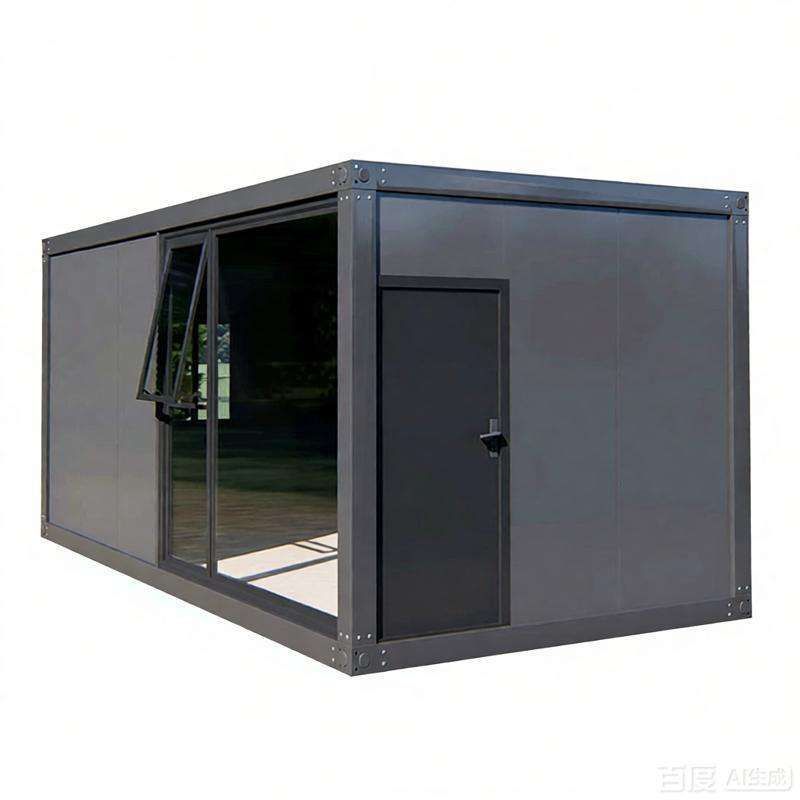 ** 1. Basic Concept of Container-House Camps** A container-house camp uses shipping containers as the structural shell; through conversion and design, they become spaces for living, leisure, and social life. These buildings typically offer strong durability, flexibility, and cost efficiency, and suit rapid construction in varied environments. Compared with traditional buildings, container-house camps take less time to build, cost less, and make effective use of reused resources—aligned with modern goals of sustainable development and environmental protection. ** 2. Construction Process and Key Steps** Building a container-house camp usually covers site selection, design, construction, and acceptance. Site selection comes first: beyond convenient location, planners must weigh the sustainability and suitability of the surrounding environment. A strong location raises the camp's sales value and attracts more visitors. In design, architects plan for terrain, climate, and related factors. To serve different clients, many camps now offer custom design so guests can shape the space to their preferences. Construction centers on converting the containers. Teams must keep the structure safe while applying waterproofing, insulation, soundproofing, and other treatments. These details directly affect comfort and service life. After inspection and approval, the camp can open. Environmental thinking runs through the whole process; many builders prefer renewable materials to reduce environmental impact. ** 3. Market Outlook for Container-House Camps** As living standards rise and people seek higher housing quality, the outlook for container-house camps is strong. With accelerating urbanization, more city residents look for non-traditional housing. In tourism, vacation stays, and short-term rental especially, container-house camps have become a popular choice. They also meet demand for flexible shared space. On spare land at schools, companies, and other institutions, container-house camps can add living space for staff or students and ease urban housing pressure. As an emerging form of housing, container-house camps combine flexibility, economy, and sustainable design, and are gaining wider recognition. Distinctive design and spatial flexibility have earned them a place in tourism and short-term rental markets. Looking ahead, as technology advances and environmental awareness grows, container-house camps are likely to become an ideal choice for more people—and to promote a new lifestyle and vision of urban development.



