
Can a Container Exceed the Height of a House?
Whether a container can exceed the height of a house depends on specific circumstances and cannot be generalized.
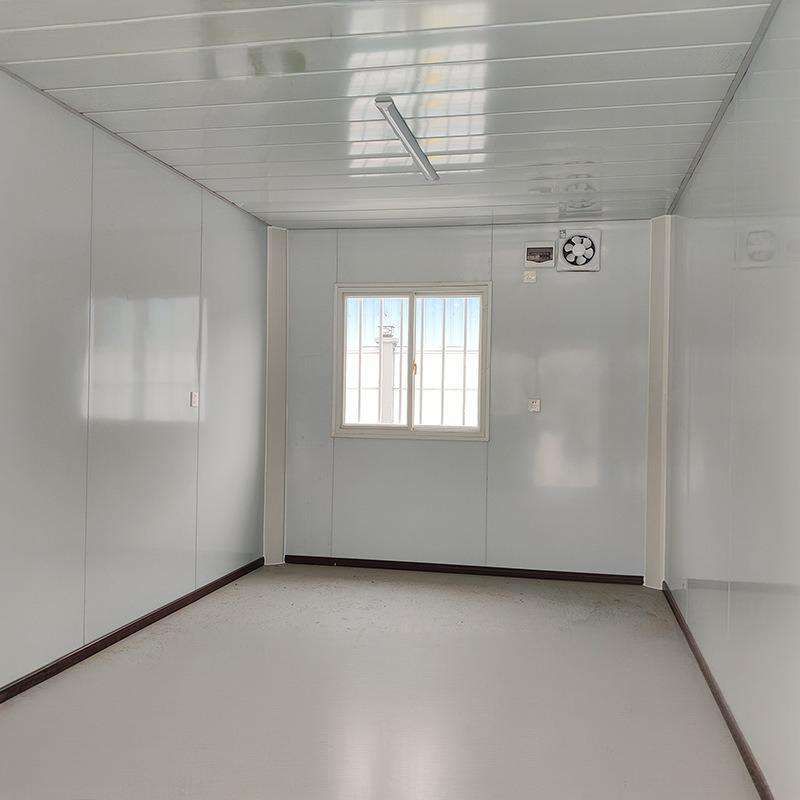
Firstly, the placement location is a key factor. Different locations have varying restrictions on container height. For example, placing a container on rural residential land as an ancillary facility to a legal building, and if its height complies with local planning requirements, it may generally be permitted. However, if the land use is changed without approval, or if the container height exceeds planning limits, affecting the surrounding environment or public facilities, it may be deemed an illegal structure. In urban areas, placing a container on a rooftop typically requires strict approval procedures, and unauthorized placement usually constitutes an illegal construction, regardless of whether its height exceeds that of the house itself.
Secondly, the intended use is also an important consideration. The purpose of the container directly affects whether it needs to exceed the height of the house. If used for temporary storage or office purposes, and it does not affect the surrounding environment and safety, approval may be granted; however, if used for residential or commercial purposes, especially involving密集 (dense) gatherings of people, the requirements for height and safety will be more stringent, and exceeding the height of the house may face greater resistance.
Finally, approval procedures are the core basis for legality. Regardless of whether the container height exceeds that of the house, approval from relevant departments is required. Approval content typically includes land use nature, building planning, fire safety, etc. If approval is not obtained, even if the container height does not exceed that of the house, it may still be deemed an illegal structure due to other violations.
Summary: Whether a container can exceed the height of a house requires a comprehensive assessment based on the placement location, intended use, and approval procedures. On rural residential land, if it complies with planning and serves as an ancillary facility, it may be permitted; however, on urban rooftops or without approval, it usually constitutes illegal construction. It is advisable to consult local planning and urban management departments before actual operation to ensure compliance.



