Container Foldable House
A foldable container house is an innovative building form that combines the durability of a shipping container with the convenience of a folding design. It can be unfolded and packed away quickly, saves space, and suits a wide range of uses.

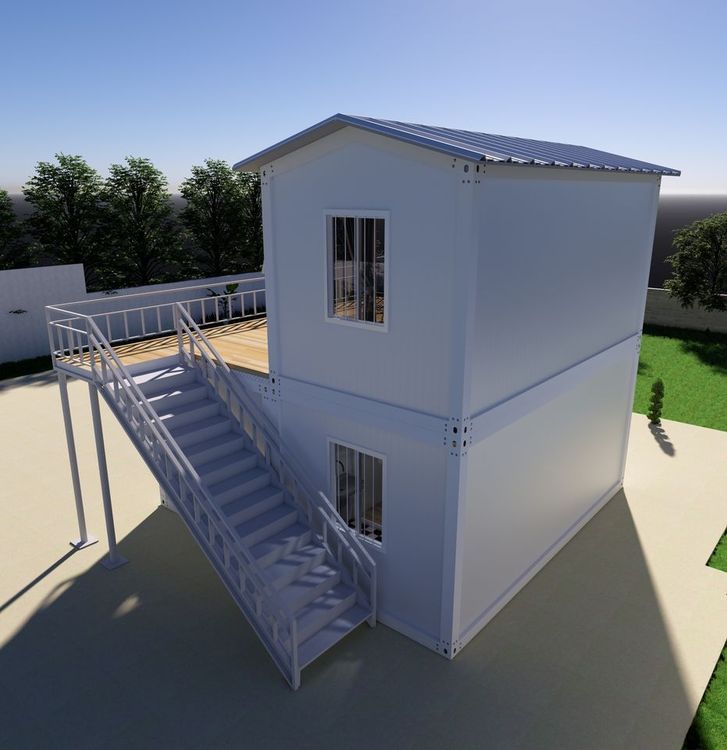
1. Structural features The core advantage of a foldable container house is its folding structure. Through specially designed hinges, folding frames, and related components, the house can be folded into a compact form for transport and storage. When folded, its volume is only about 1/4 to 1/5 of the expanded size, which greatly reduces the space it occupies. When unfolded, hydraulic or mechanical devices quickly complete the structural support, and a full living or usable space can usually be formed in just a few minutes. This design retains the standardized dimensions and modular nature of containers while overcoming the fixed-shape limits of traditional container units, maximizing space efficiency.
2. Application scenarios Its convenience has led to wide use across many fields. For temporary housing, it can serve as a rapid solution for post-disaster reconstruction, construction-site dormitories, and tourist camps; for commercial space, it can be used as exhibition booths, mobile shops, and temporary offices; in emergency settings, it can be deployed quickly as medical stations, command centers, and material storage points. The efficiency of folding and unfolding allows it to respond quickly to sudden needs and shorten upfront preparation time.
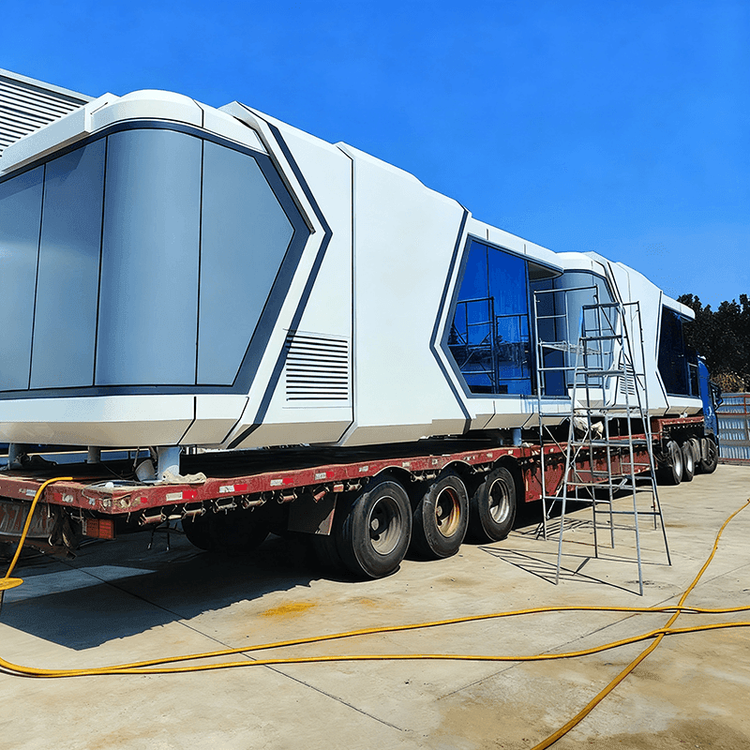
3. Transport and storage advantages The sharply reduced volume after folding directly lowers transport costs. For example, a traditional container house often needs a full vehicle load for shipping, while foldable units can be stacked for transport, raising single-trip capacity by about 3-5 times. In storage, the folded form can be stacked to save warehouse space, which is especially suitable for long-term reserves that are not used frequently.
4. Market variety The market offers many types of foldable container houses, and prices vary significantly by materials, specifications, and features. Materials range from ordinary steel to high-strength aluminum alloy and composite insulation materials, affecting durability and thermal performance; specifications range from single-occupancy units to multi-module combined spaces for different headcounts; functionally, some products integrate plumbing and electrical systems, solar panels, and smart control systems to improve convenience. Buyers can choose standardized products or customized solutions based on budget and needs.