
Container Creative Shops: An Innovative Force Disrupting Traditional Commerce
In today's fiercely competitive business world, innovation is the key to capturing consumer attention and staying on trend. As an emerging commercial model, container creative shops are stirring a wave of interest with their distinctive appeal and open-ended possibilities.

1. The Rise of Container Creative Shops
Shipping containers were originally large metal boxes used for freight. As creativity and thinking expanded, they were given new life and transformed into distinctive commercial spaces. This shift was no accident; it resulted from several factors working together.
First, accelerating urbanization has made land increasingly scarce, while traditional commercial buildings are costly and slow to build. The mobility and reusability of containers offer a smart answer: a commercial space can be set up quickly and relocated flexibly as market demand changes.
Second, consumers' pursuit of personalization and unique experiences has also driven the growth of container creative shops. Amid lookalike malls and shopping streets, shops converted from containers stand out with distinctive looks and atmospheres, drawing shoppers who seek novelty and style.
Third, stronger environmental awareness has brought more attention and support to container reuse. Compared with new construction, using containers reduces demand for raw materials and construction waste, aligning with sustainable development.

2. Unique Advantages of Container Creative Shops
(1) Cost-Effectiveness
Containers themselves are relatively affordable, and conversion and fit-out costs are far lower than for traditional buildings. That lets entrepreneurs start with lower investment and reduced startup risk.
(2) Design Flexibility
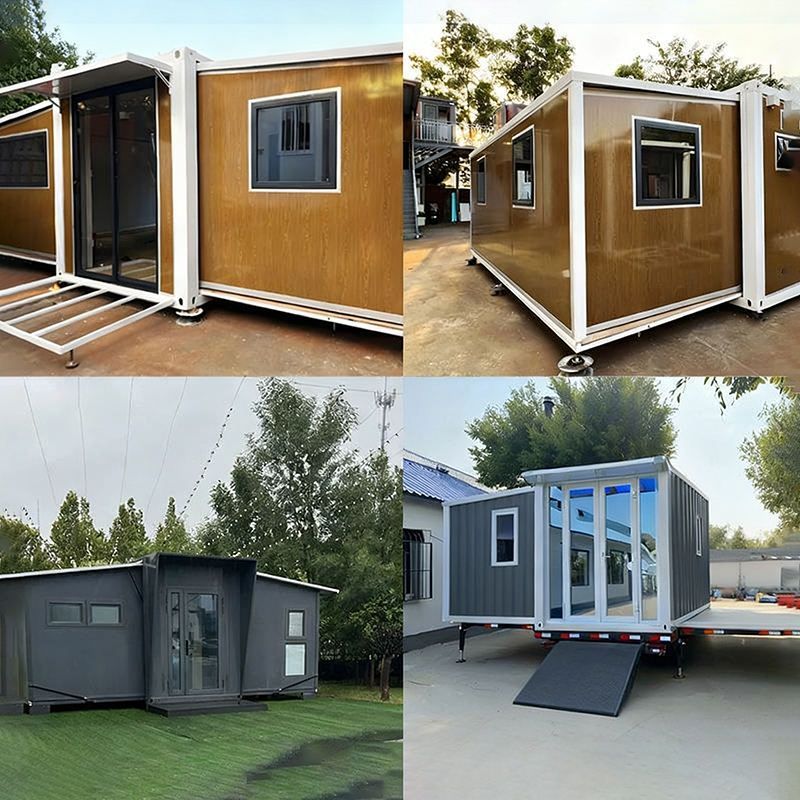
The modular structure of containers gives creative design wide room to work. By joining, stacking, or cutting units, shops of many shapes and layouts can be created—from minimal modern to retro industrial, from single to multiple stories—with almost no limits.
(3) Fast Build-Out
Setup and opening can be completed in a short time, so operators can seize market opportunities quickly and meet immediate consumer demand.
(4) Brand Building
A distinctive look and atmosphere help forge a strong brand image that consumers remember and share more easily.
(5) Strong Adaptability
Whether on vacant lots in city centers or at suburban tourist sites, container shops can adapt to different environments and site conditions.

3. Diverse Application Scenarios for Container Creative Shops
(1) Urban Commercial Streets
Along busy city streets, container shops can form a distinctive commercial strip full of creativity and energy. Formats can include fashion apparel, specialty snacks, creative gift stores, and more—adding a bright new line to the urban scene.

(2) Creative Parks
Many cities have converted abandoned factories or warehouses into creative parks, where container shops find an ideal home. They complement the artistic atmosphere and make excellent spaces for artist studios, design firms, cafés, and similar uses.

(3) Tourist Destinations
At popular destinations, container shops can serve as temporary souvenir stores, specialty restaurants, or visitor service centers. Their distinctive appearance pairs with natural scenery or cultural landmarks, giving visitors a different shopping and dining experience.
(4) Community Retail
In communities, container shops can operate as small markets, barbershops, flower shops, and other convenience services—meeting daily needs while adding warmth and vitality to the neighborhood.
4. Success Stories
(1) Nanchang FUN Youth Market
In Nanchang, a food street built from containers brings together stalls from around the world, each converted from a container. Distinctive design and a wide range of food choices draw large crowds—a favorite local gathering spot and a must-visit for tourists.
(2) Yangshan Island Resort
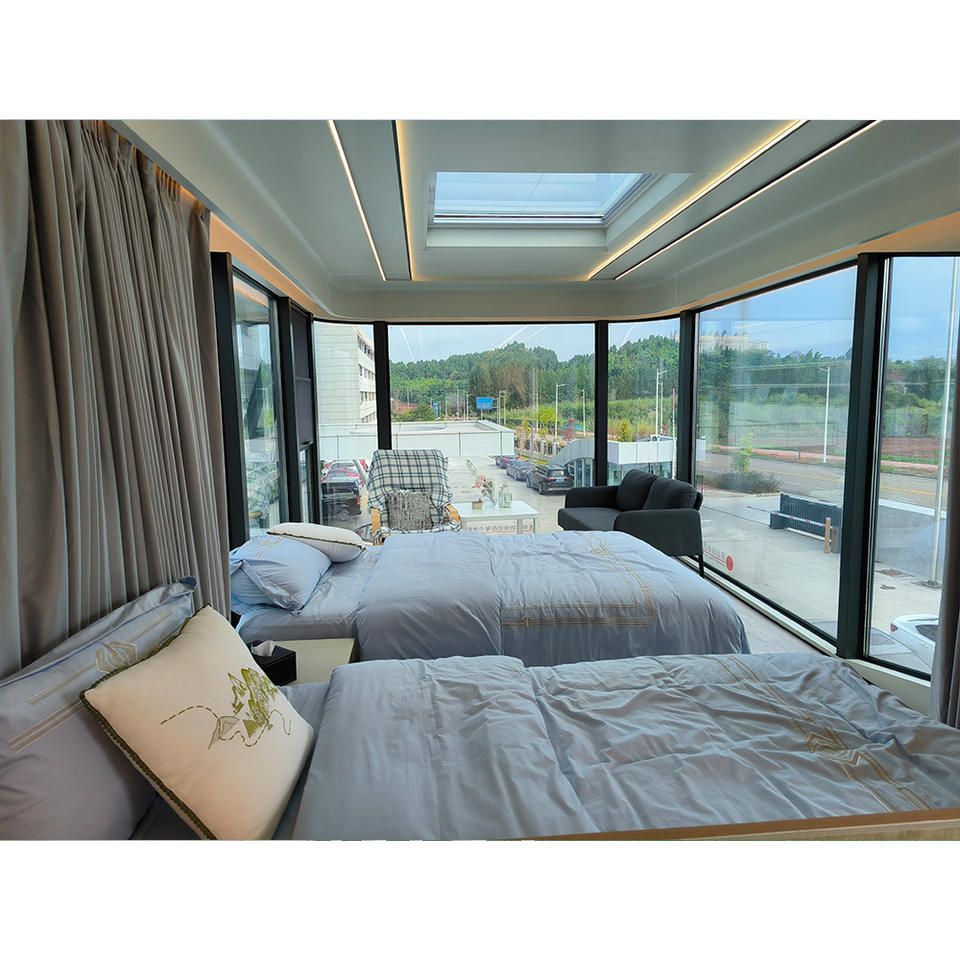
On Yangshan Island in Lianyungang, a container-themed resort emerged. Guest rooms, restaurants, and other facilities were converted from containers and blend with ocean views. This novel stay experience has been warmly received, with booking rates staying high year-round.

(3) Baoshan Wisdom Bay
In an older industrial park in Shanghai, containers were converted into creative studios and art exhibition spaces. Regular exhibitions and cultural events draw artists and culture enthusiasts, and the site has gradually become a new cultural landmark in the city.
5. Challenges and Solutions for Container Creative Shops
(1) Space Constraints
Although containers can be combined to increase floor area, the interior of a single unit remains relatively limited. Solutions include optimizing layouts, using multifunctional furniture and storage design, or expanding with outdoor space.
(2) Thermal Insulation
Metal containers can fall short on insulation, which may affect comfort inside the shop. Adding insulation materials inside the container and installing HVAC systems can address this.
(3) Regulations and Approvals
As a relatively new format, container shops may face regulatory and approval hurdles in some areas. Operators should learn local policies in advance and communicate proactively with government authorities to ensure the project is compliant.

6. Future Development Trends
(1) Smart Integration
As technology advances, container creative shops will integrate deeply with smart systems—for example, IoT-enabled lighting, security, and payments—to improve the shopping experience and operational efficiency.
(2) Green Sustainability
Future container shops will place greater emphasis on environmental performance, using more renewable materials and energy-saving equipment to pursue zero emissions and circular resource use.
(3) Diversified Formats
Beyond traditional retail, container shops will cover more emerging uses such as shared offices, parent-child experiences, and wellness, meeting increasingly diverse consumer needs.
(4) Integration with Urban Planning
Container creative shops will no longer stand alone; they will align with overall city planning as part of the urban landscape and functions, injecting new vitality into urban development.

7. Conclusion
As an innovative commercial model, container creative shops bring new opportunities and challenges with their distinctive strengths and open possibilities. They offer entrepreneurs a low-cost, highly flexible platform—and give consumers fresh ways to shop and experience.




