
Container Concrete House
Container concrete houses are a movable, modular architectural form centered around concrete modules, combining the advantages of container transportation. They are characterized by rapid construction, strong environmental adaptability, and customizability. The following provides an in-depth explanation from four perspectives: structural principles, technical routes, application scenarios, and manufacturer types.
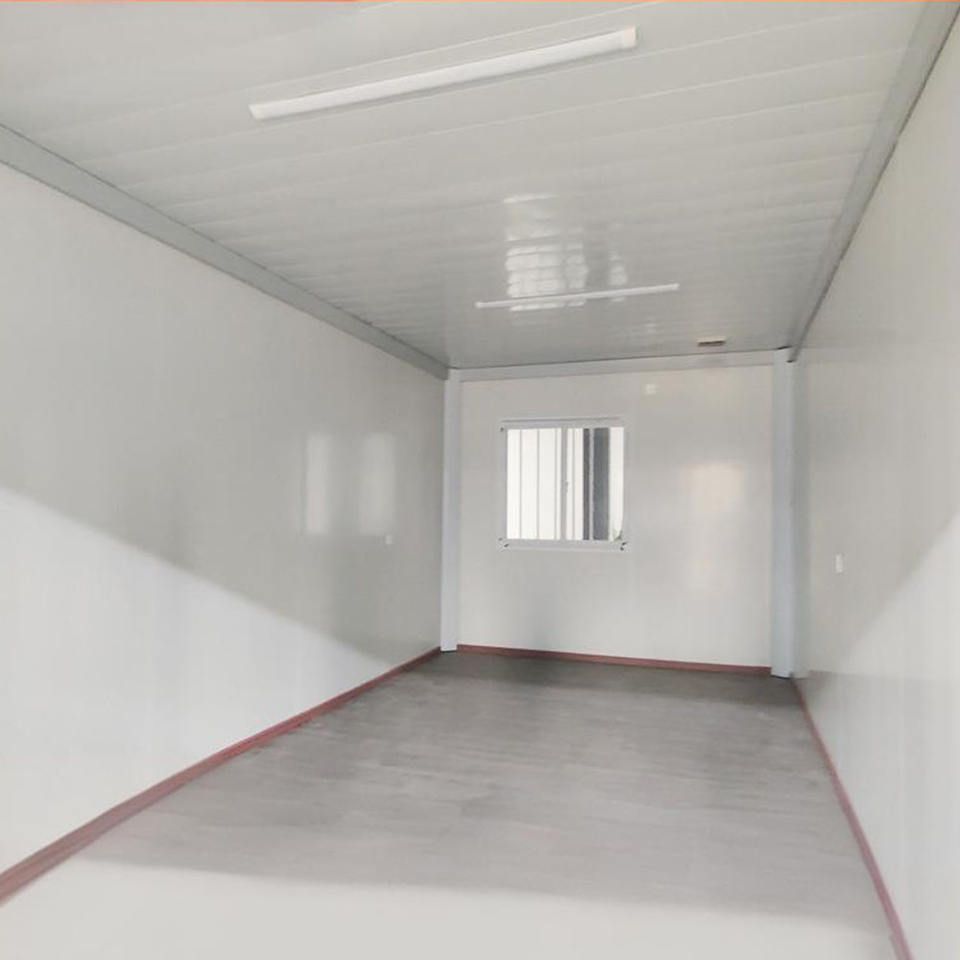
1. Structural Principles and Material Characteristics
Container concrete houses originate from modular construction technology, with the core idea of dividing buildings into independent modules (such as floors, roofs, and side walls). These modules undergo the installation of the main structure, utilities, finishes, and equipment in factories before being transported to the site for assembly. Concrete modules use reinforced concrete as their framework, covered with color-steel sandwich panels or insulation materials to balance structural strength and thermal insulation. For example, a concrete MiC production line in a smart construction industrial park in Shenzhen can produce a complete module every 20 minutes, with over 70% of the processes completed in the factory, reducing the construction period by more than 60% compared to traditional buildings.
2. Comparison of Technical Routes
Domestic modular construction mainly follows two routes: steel and concrete:
- Steel Modules: Lightweight and high-strength, suitable for ocean transportation and high-rise buildings, but with a significantly different living experience compared to traditional houses;
- Concrete Modules: Offer a living comfort closer to traditional buildings and enjoy higher market acceptance in China, but are heavier and have relatively higher transportation costs.
Some manufacturers combine the advantages of both to develop steel-concrete composite modules, balancing performance and cost.
3. Application Scenarios and Advantages
Container concrete houses have expanded from cultural tourism and homestays to areas such as new energy support facilities, commercial districts, park services, and temporary engineering structures. Their advantages include:
- Rapid Deployment: Modular design shortens on-site assembly time to a few days to a few weeks;
- Flexible Mobility: Can be hoisted and relocated as a whole, adapting to temporary or dynamic demand scenarios;
- Environmental Protection and Energy Efficiency: Factory production reduces material waste (by 60%-70% compared to traditional construction sites), and modules are recyclable;
- High Customizability: Internal functions, exterior styling, and protective performance (such as earthquake and wind resistance) can be adjusted according to needs.
4. Mainstream Manufacturer Types
Domestic manufacturers can be divided into two categories:
- Comprehensive Leading Enterprises: Such as CSCEC HaiLong, with group backgrounds and nationwide smart manufacturing base layouts. Their products cover concrete modular buildings and steel container structures, with rich experience in large-scale public welfare projects and commercial complexes;
- Professional Functional Manufacturers: Focusing on special-function containers and customized scenarios, such as Qinghai Guangzan Light Steel, which achieves rapid relocation and low-cost use through modular design, suitable for startup shops and temporary offices.



